
Table of Contents
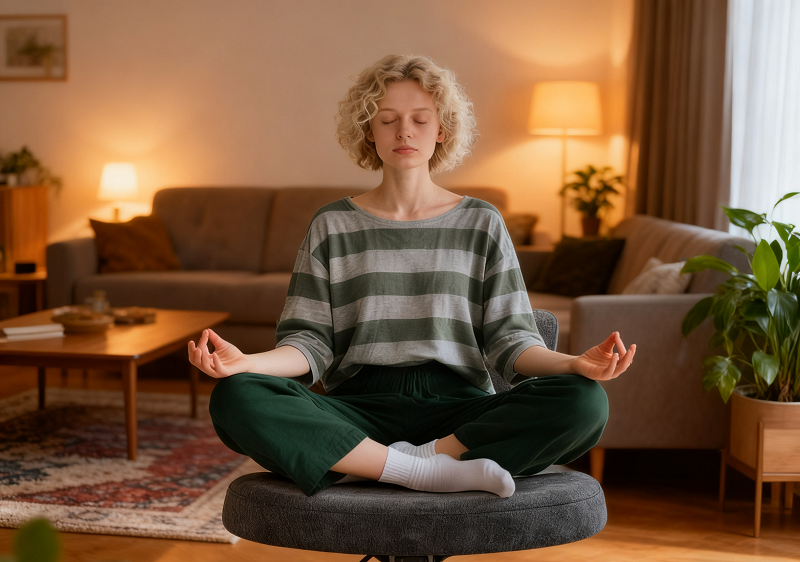
Ever catch yourself sitting criss-cross in your office chair?
You’re not alone. I used to do it all the time, especially during long meetings, gaming sessions, or study marathons.
It feels cozy and familiar, but here’s the big question:
What is a cross-legged chair, really, and is sitting “criss-cross applesauce” bad for you?
Let’s dig into what makes a cross-leg desk chair different, its pros and cons. We’ll also show how Newtral Chair can help you find one that supports your comfort. They are designed to improve your posture as well.
What Exactly Is a Cross-Legged Chair?
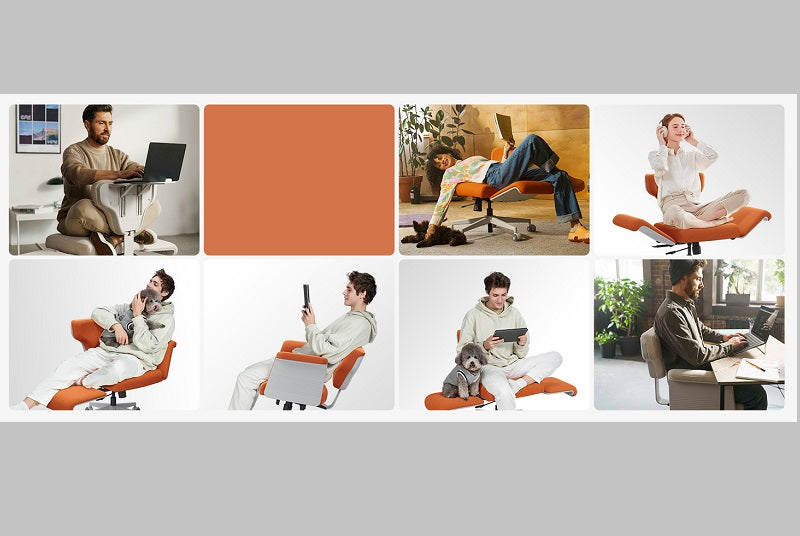
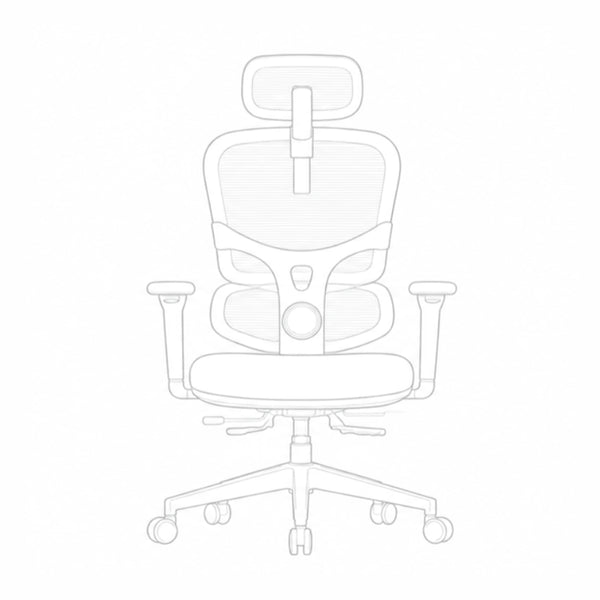
A cross-legged chair, also called a criss-cross or lotus chair, is a seat with a wider, flatter base and often no armrests, giving you the freedom to sit with your legs folded on the seat.

People love it because it feels more natural than rigid, upright sitting. Some call it the ergonomic cross-leg chair for creative or fidgety workers.
Typical features:
Wide seat (20–25 inches)
Flat or lightly curved seat base
Low or no armrests
Optional height and tilt adjustment
Soft cushioning for leg support
You’ll also see related designs like kneeling chairs, saddle stools, and meditation chairs, all promising “healthier” postures, but they’re not the same.
Why Cross-Legged Chairs Are Trending
Remote work changed everything. We spend more time sitting, and sitting however we want.
On social media, the “cross-legged office chair” trend took off with images of people coding or gaming barefoot on wide, minimal chairs. Brands like Pipersong and Soul Seat made it popular.
They claim freedom, flexibility, and creativity — and honestly, they deliver some of that.
But what many forget is ergonomics — how our bones, muscles, and nerves respond to posture.
When you sit cross-legged too long, your pelvis tilts backward, flattening your lumbar curve and putting strain on your lower spine (Cornell University Ergonomics Lab, 2023).
Advantages: Why People Love Cross-Leg Sitting
Let’s give credit where it’s due. Cross-legged chairs do have benefits — in moderation.
1. More Freedom to Move
They let you sit in multiple positions. You can shift your weight, stretch, or tuck your legs up without bumping into armrests.
That movement can ease stiffness and boost focus, especially for ADHD or fidgety workers.
2. Familiar Comfort
For many of us, sitting cross-legged feels natural — it’s how we read, meditate, or relax. That sense of comfort can improve short-term concentration.
3. Posture Variety
Switching postures prevents static-load fatigue. According to the University of California, Berkeley Ergonomics Lab, changing position every 20–30 minutes helps reduce spinal stress.
In short: occasional cross-legged sitting is okay — as long as it’s part of a multi-position seating routine, not your all-day default.

Disadvantages: What Ergonomists Warn About
Now the less fun part — the risks that come with long sessions of cross-legged sitting.
1. Poor Pelvic Support
When you fold your legs, your pelvis tilts backward, flattening your spine’s natural curve. That puts pressure on your discs and lower back muscles (OSHA Computer Workstation eTool, 2022).
2. Circulation Problems
Crossing your legs compresses arteries and veins in the thighs. Over time, this can cause numbness, tingling, or varicose veins.
3. Nerve Compression
The common peroneal nerve, which runs along the outer knee, can get squeezed — causing a temporary “foot drop” or pins-and-needles sensation (NIH Clinical Review, 2021).
4. Joint Asymmetry
Your hips and knees aren’t evenly aligned. Habitual asymmetry may worsen scoliosis or knee pain.
5. Not ANSI/BIFMA Certified
Most cross-legged chairs don’t meet ANSI/BIFMA X5.1 standards for seat depth, stability, or durability — a deal-breaker for office safety compliance.
Table 1: Cross-Legged Chair vs Other Chair Types
|
Chair Type |
Posture Variety |
Back Support |
Ergonomic Safety |
Best Use |
|
Cross-Legged Chair |
★★★★☆ |
★☆☆☆☆ |
Low |
Short sessions, creative work |
|
Kneeling Chair |
★★★☆☆ |
★★☆☆☆ |
Moderate |
Upright training |
|
Saddle Stool |
★★★☆☆ |
★★★★☆ |
High |
Active sitting |
|
Newtral Multi-Position Chair |
★★★★★ |
★★★★★ |
Certified |
Long work hours |
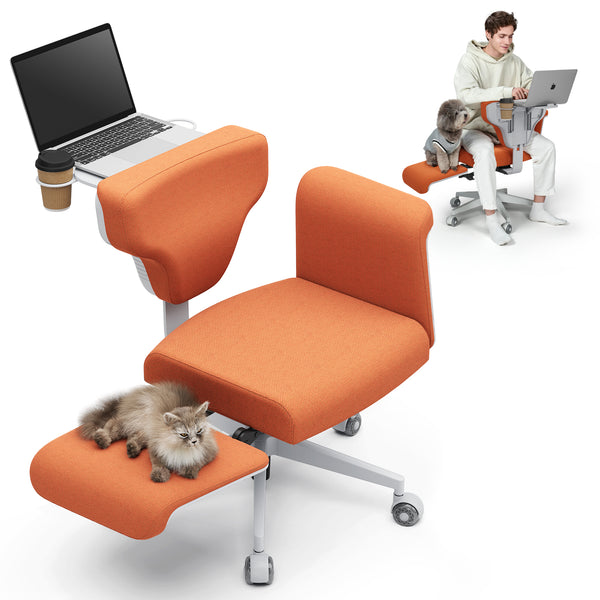
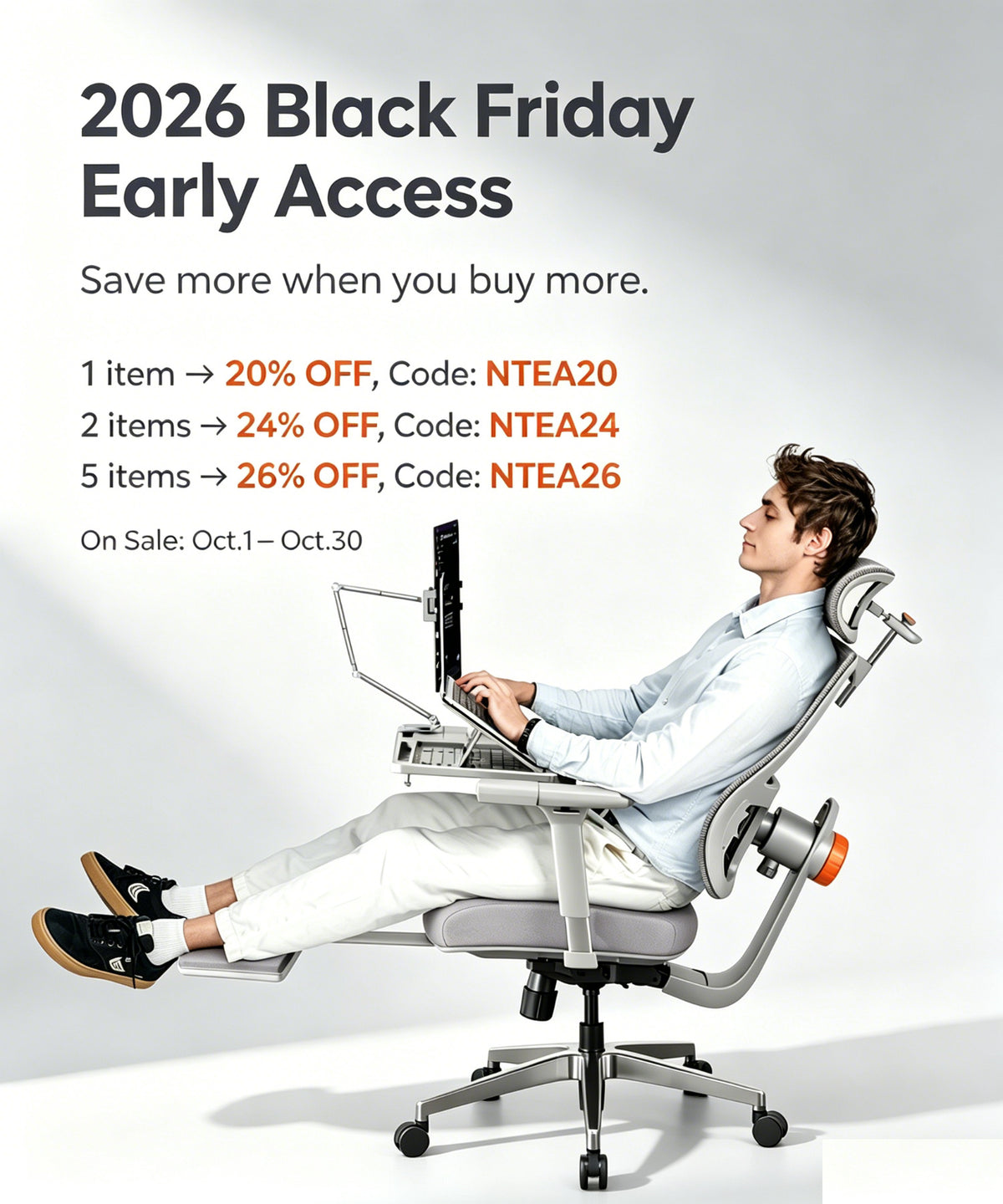
The Newtral Freedom X Multi-Position Pro Chair (Orange) gives you all the flexibility of a cross-leg chair — without the drawbacks.
It supports multiple positions, keeps lumbar contact, and meets BIFMA ergonomic standards.
Blog18
The Science: What Happens When You Sit Cross-Legged
Let’s unpack the biomechanics a bit.
When you sit criss-cross:
Your pelvis rotates backward, flattening the lumbar curve.
Your center of gravity shifts, forcing your back muscles to stabilize.
Blood flow to your lower limbs decreases.
Short term, this feels fine.
Long term? You’ll feel tightness, numbness, or low-back fatigue — the same pattern found in studies on asymmetric sitting (Cornell CUErgo, 2023).
So while sitting cross-legged occasionally is harmless, it shouldn’t replace neutral, supported posture.
Fit, Sizing, and Ergonomic Adjustments
If you want the flexibility of a multi-position office chair, pay attention to fit — it’s everything.
Seat Depth
Use the 2–4 finger rule: when seated, there should be space between the back of your knee and the seat edge.
This prevents pressure on the popliteal artery.
Seat Width
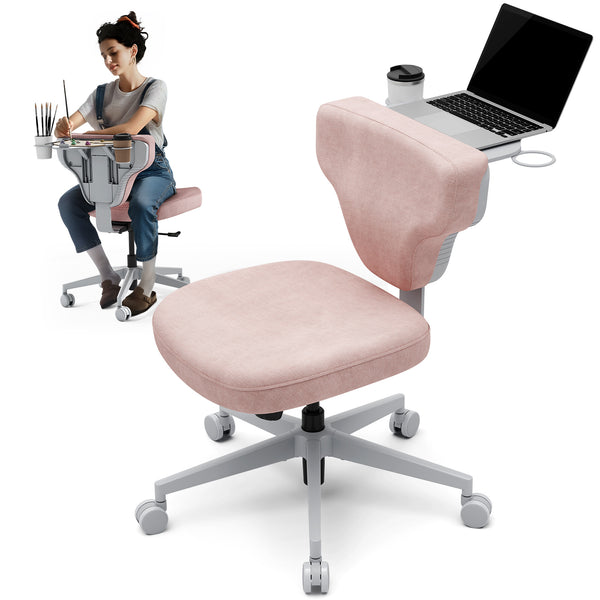
A wide seat allows posture variety, but too wide can reduce back contact. The Newtral Freedom X Multi-Posture Standard Chair (Pink) strikes a balance with seat-width optimization and dynamic lumbar adjustment.
Waterfall Edge
A rounded front seat edge prevents blood flow restriction — a feature missing in many cheap cross-legged computer chairs.
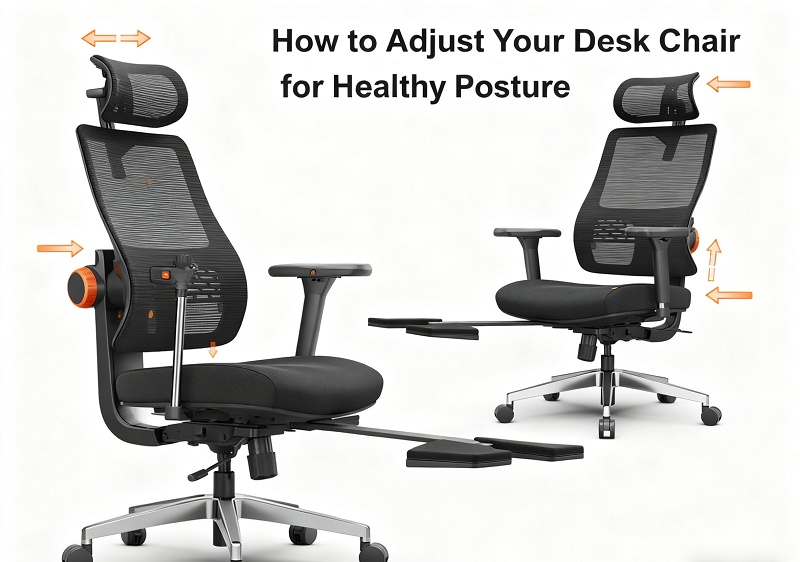
Adjustability
Look for:
Seat height & depth adjustment
Recline tension control
Adjustable lumbar depth
3D or 4D armrests
All these are included in the Newtral Freedom X Multi-Posture Pro Chair (Milk Apricot) — perfect if you switch between sitting upright, leaning back, or lightly tucking your legs.
Standards That Matter
Ergonomic standards aren’t marketing fluff — they protect your health.
ANSI/BIFMA X5.1
Sets performance and stability requirements for task chairs. Many cross-legged chairs don’t comply.
OSHA Guidelines
Recommend:
100–110° recline angle
Feet supported (floor or footrest)
Neutral wrist and elbow angle
Periodic posture change (every 30 minutes)
University Ergonomics Consensus
Cornell, UC Berkeley, and UNC Ergonomics all agree:
Dynamic posture — not static posture — is the key to healthy sitting.
Table 2: Ergonomic Standards Comparison
|
Feature |
Generic Cross-Leg Chair |
Certified Ergonomic Chair |
Newtral Freedom X |
|
ANSI/BIFMA Tested |
❌ |
✅ |
✅ |
|
Adjustable Lumbar |
❌ |
✅ |
✅ |
|
Waterfall Seat Edge |
❌ |
✅ |
✅ |
|
Seat Depth Control |
❌ |
✅ |
✅ |
|
Recline 100–110° |
❌ |
✅ |
✅ |
|
Multi-Posture Support |
✅ |
✅ |
✅✅ |
Who Should (and Shouldn’t) Use a Cross-Legged Chair
|
User Type |
Recommendation |
Reason |
|
Remote Workers |
✅ Moderate use |
Great for variety |
|
Gamers |
❌ Avoid |
Needs arm & back support |
|
Students / Exam Prep |
⚠️ Short use |
Encourages movement, not for all-day |
|
Medical / Rehab Users |
❌ No |
Circulation risk |
|
Enterprise Buyers |
❌ No |
Fails compliance |
Ergonomic Alternatives That Make More Sense
You don’t need to give up movement to stay healthy. You just need a chair that adapts to you.
1. Dynamic Ergonomic Chair
A multi-position chair like the Newtral Freedom X Multi-Position Pro Chair moves with you — the lumbar follows your spine, the seat tilts smoothly, and your posture stays supported.
2. Smart Accessories
Use a footrest to relieve leg pressure.
Alternate between sitting and standing (the Cornell 20-8-2 rule).
Stretch shoulders, hips, and ankles hourly.
3. Active Sitting
The goal isn’t to sit perfectly still.
It’s to keep your body subtly active, even while working, recline, shift, stretch, repeat.

How to Sit Cross-Legged Safely
Raise your seat slightly to reduce knee angle stress.
Keep your lumbar support engaged — don’t slump.
Cross loosely, not tightly.
Switch leg positions every 15–20 minutes.
Uncross completely every hour.
If you feel tingling or numbness, stand and stretch immediately.
Remember: movement = medicine.
Table 3: Safe Sitting Routine (Cornell 20-8-2 Principle)
|
Activity |
Time |
Goal |
|
Sitting |
20 min |
Focus work |
|
Standing |
8 min |
Circulation reset |
|
Moving |
2 min |
Stretch, walk, hydrate |
Source: Cornell University Ergonomics Laboratory (CUErgo, 2023)
Conclusion: Choose Comfort Without Compromise
Sitting cross-legged feels nice for a few minutes, like a cozy shortcut to comfort.
But long-term? It’s a trap for your spine, joints, and circulation.
You deserve better than choosing between “rigid” and “relaxed.”
The real solution is balance: a chair that supports multiple postures safely.
That’s exactly what Newtral’s Freedom X series offers:
Ergonomic engineering that adapts to your movement.
Certified safety and posture alignment.
Premium comfort for long hours of work or study.
Blog18
Blog18
FAQs
Is sitting criss-cross applesauce bad for you?
Sitting criss-cross applesauce isn’t harmful for short moments, but long sessions can compress blood vessels, strain your lower back, and reduce circulation to your legs. Experts recommend changing position every 20–30 minutes.
Are cross leg chairs ergonomic?
Most cross-leg chairs aren’t truly ergonomic. They focus on posture freedom but sacrifice lumbar alignment and pressure distribution. Without proper back support or adjustability, they can cause long-term discomfort and fatigue.
Can sitting cross-legged cause nerve damage?
Yes. Sitting cross-legged for long hours can compress the peroneal nerve near your knee, leading to temporary numbness, tingling, or even mild weakness in your foot. Movement and posture variation prevent this problem.
Do these chairs meet safety standards?
Only a few models meet official ANSI/BIFMA ergonomic safety standards. Most trendy cross-legged chairs are designed for casual use, not full-day office work. Always check for certification and adjustability before buying.
What’s better for posture?
A multi-position ergonomic office chair supports natural spinal curves, adapts to your movements, and maintains lumbar contact. The Newtral Freedom X series offers dynamic support, ideal for comfort and posture protection all day.




Leave a comment
All comments are moderated before being published.
This site is protected by hCaptcha and the hCaptcha Privacy Policy and Terms of Service apply.