
Table of Contents
Let’s be honest: modern life involves a lot of sitting. Whether you’re crunching numbers in a spreadsheet, driving a truck, or sitting through endless Zoom calls, you are likely spending 8 to 10 hours a day in a chair.
You probably know you should move more, but the idea of driving to a gym, changing clothes, working out for an hour, and showering feels impossible to fit into your schedule.
That is where the chair workout comes in. This isn’t about becoming a bodybuilder. It is about "maintenance." It is about fixing the stiffness in your lower back, waking up your legs, and getting your energy back without leaving your office or living room.
Here is a simple, effective routine designed specifically for men who want to get moving again.
Why the "Chair Workout" is Your Secret Weapon
You might think you need heavy weights to get a workout, but using your body weight and a chair is surprisingly effective.
- The "Sitting Disease" Reality: When you sit for hours, your hip flexors get tight and your glutes (butt muscles) actually "turn off" because they aren't being used. This is often called "dead butt syndrome," and it is a major cause of lower back pain.
- No Gym, No Sweat, No Excuses: The biggest barrier to exercise is logistics. This routine removes that barrier. You can do this in a cubicle, a hotel room, or your home office. You likely won’t even break a sweat, meaning you can go right back to work.
- Functional Strength: This routine focuses on "functional" movement. The goal is to make sure you can stand up, lift objects, and move through your day without groaning in pain.
Essential Setup: Getting Ready
Before you start, take thirty seconds to set yourself up for success.
- Check Your Chair: You need a stable chair. If you are in an office chair with wheels, push it against a wall or a desk so it doesn't roll away while you move. If you are at home, a sturdy dining chair is perfect.
- Posture Check: Don’t sit all the way back. Scoot forward to the edge of the seat. Plant your feet flat on the floor, shoulder-width apart. Imagine a string pulling the top of your head toward the ceiling. This is called "active sitting," and it engages your core before you even move.
- The 15-Minute Rule: You do not need a full hour. This entire circuit takes about 15 minutes. Put your phone on "Do Not Disturb" and focus.
Phase 1: The Decompression Warm-Up (3 Minutes)
Goal: Rehydrate the spine and loosen tight neck/shoulder muscles.
Start slow. Your body has been stuck in one position for hours, so you need to "grease the grooves" before asking your muscles to work hard.
Seated Cat-Cow
This move is the best way to fix a stiff spine.
- Place your hands on your knees.
- Inhale: Arch your back, push your chest forward, and look up at the ceiling (Cow position). Feel the stretch in your chest.
- Exhale: Round your spine, tuck your chin to your chest, and roll your shoulders forward (Cat position). Feel the stretch between your shoulder blades.
- Repeat this slowly for 1 minute.
Overhead Reach & Lateral Bend
Sitting collapses your rib cage, making it harder to take deep breaths.
- Interlace your fingers and push your palms up toward the ceiling. Straighten your arms fully.
- Keep your hips glued to the chair. Slowly lean your upper body to the right. Hold for 2 seconds.
- Return to the center, then lean to the left.
- Repeat for 1 minute. You should feel relief along the sides of your torso.
Neck & Shoulder Rolls
We tend to carry stress in our "traps" (the muscles connecting your neck and shoulders).
- Shrug your shoulders up to your ears, then roll them back and down.
- Do this 10 times backward, then 10 times forward.
- Follow up by slowly rolling your head in a circle to release neck tension.

Phase 2: The "Desk Warrior" Strength Circuit (8 Minutes)
Goal: Wake up dormant muscles and build functional strength.
Now that you are loose, it’s time to work. Perform these exercises back-to-back.
1. Chair Squats (The King of Chair Exercises)
Target: Quads (thighs), Glutes, Core. This is the most important movement for retaining your independence and mobility as you age.
- Stand in front of your chair with feet shoulder-width apart.
- Keep your chest up. Lower your hips back and down as if you are about to sit.
- The Key: As soon as your butt lightly taps the seat, immediately stand back up. Do not sit down fully; do not rest.
- Drive through your heels to stand up straight.
- Reps: Aim for 10 to 15 reps.
2. Seated Chair Dips
Target: Triceps (back of the arms), Shoulders, Chest.
- Sit on the very edge of the chair. Place your hands on the seat next to your hips, fingers facing forward.
- Slide your butt off the chair, supporting your weight with your arms.
- Bend your elbows to lower your body toward the floor. Go as low as is comfortable for your shoulders.
- Push back up until your arms are straight.
- Safety Note: Keep your elbows tucked in close to your body. Do not let them flare out sideways.
- Reps: Aim for 8 to 12 reps.
3. Seated Knee Tucks (Captain’s Chair)
Target: Lower Abs, Hip Flexors. Office chairs usually support your back, causing your abs to get weak. This wakes them up.
- Sit on the edge of the chair. Grip the sides of the seat with your hands.
- Lean back slightly, keeping your back straight (don't round your spine).
- Engage your stomach muscles and lift both knees toward your chest.
- Lower your feet slowly without letting them touch the floor, then lift again.
- Modification: If lifting both legs is too hard, lift one leg at a time (marching style).
- Reps: Aim for 10 to 15 reps.
4. Isometric Leg Extensions
Target: Quads (Knee Health). This is excellent if you have bad knees because there is no impact.
- Sit tall with feet flat.
- Straighten your right leg out fully so it is parallel to the floor.
- The Squeeze: Flex your thigh muscle (quad) as hard as you can. Hold this tension for 5 seconds.
- Lower the leg and switch to the left side.
- Reps: Do 5 holds on each leg.

Phase 3: Mobility & Cool Down (4 Minutes)
Goal: Open tight hips and prevent future pain.
Do not skip this part. Stretching after the strength work is what keeps you flexible.
Seated Pigeon Stretch (Figure-4)
This is arguably the single best stretch for men who sit a lot. It targets the hip rotator muscles that cause sciatica and back pain.
- Sit tall. Lift your right leg and place your right ankle on top of your left knee. Your legs should look like the number "4."
- Gently press down on your right knee with your hand to open the hip.
- To deepen the stretch, keep your back straight and lean your chest forward slightly.
- Hold for 30 seconds, then switch legs.
Seated Torso Twist
- Sit facing forward. Turn your upper body to the right.
- Grab the back of the chair with your right hand and the armrest (or your knee) with your left hand.
- Use your hands to gently pull yourself deeper into the twist. Look over your right shoulder.
- Hold for 20 seconds. Repeat on the left side.
Hamstring Scoop
- Sit on the edge of the chair. Extend your right leg straight out, resting the heel on the floor. Pull your toes up toward your shin.
- Keep your back flat. Hinge forward at the hips and reach your hands toward your toes (imagine you are scooping water).
- You should feel a stretch in the back of your thigh.
- Hold for 20 seconds per leg.

Common Mistakes to Avoid
To get the most out of this routine, keep these tips in mind:
- Holding Your Breath: Many men unconsciously hold their breath when exerting force. This raises blood pressure. Remember to exhale when you push or lift, and inhale when you lower.
- Using Momentum: Don't swing your legs or jerk your body to complete the reps. Slow, controlled movement is safer and builds more muscle.
- Slouching: Form is everything. If you round your back during squats or knee tucks, you lose the core benefits and put stress on your spine. Keep your chest proud.
Looking for a Reliable Ergonomic Office Chair Option?
Exercise is only half the battle. If you spend 8 hours a day in a cheap, unsupportive chair, you are likely undoing all the good work you did during your workout. A quality ergonomic chair acts like a brace for your posture, ensuring your spine stays aligned even when you are tired.
Here are two highly rated options that prioritize back health:
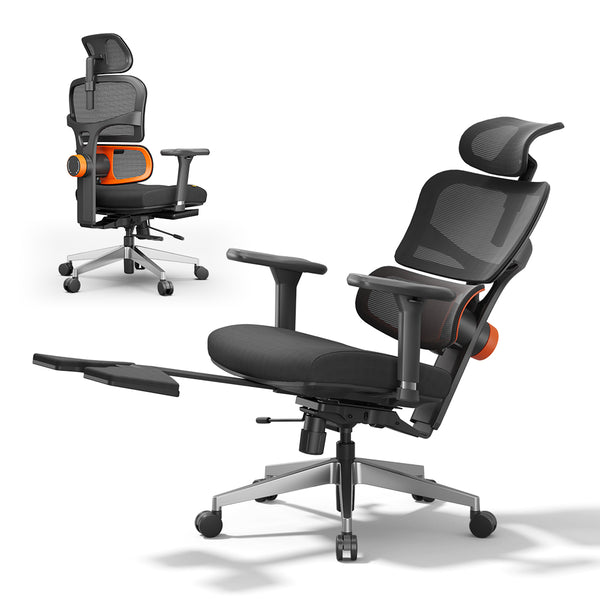
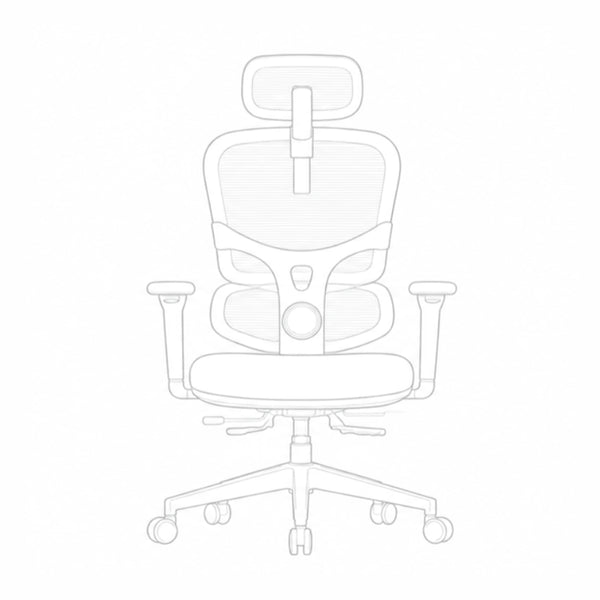
The Newtral NT002
This chair is famous for its Auto-Following Lumbar Support. Unlike standard chairs where the backrest is static, the Newtral NT002 moves with you. Whether you lean forward to type or recline to take a call, the lower back support adjusts automatically to fill the gap. This helps maintain the natural "S" curve of your spine and significantly reduces pressure on your lower back.
blog18
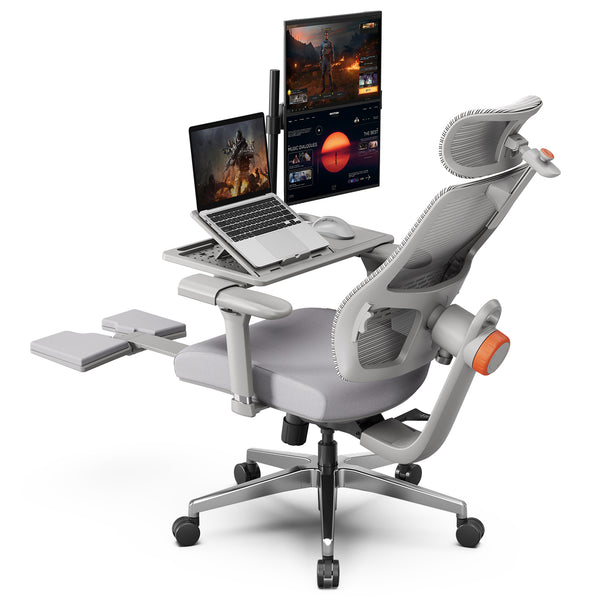
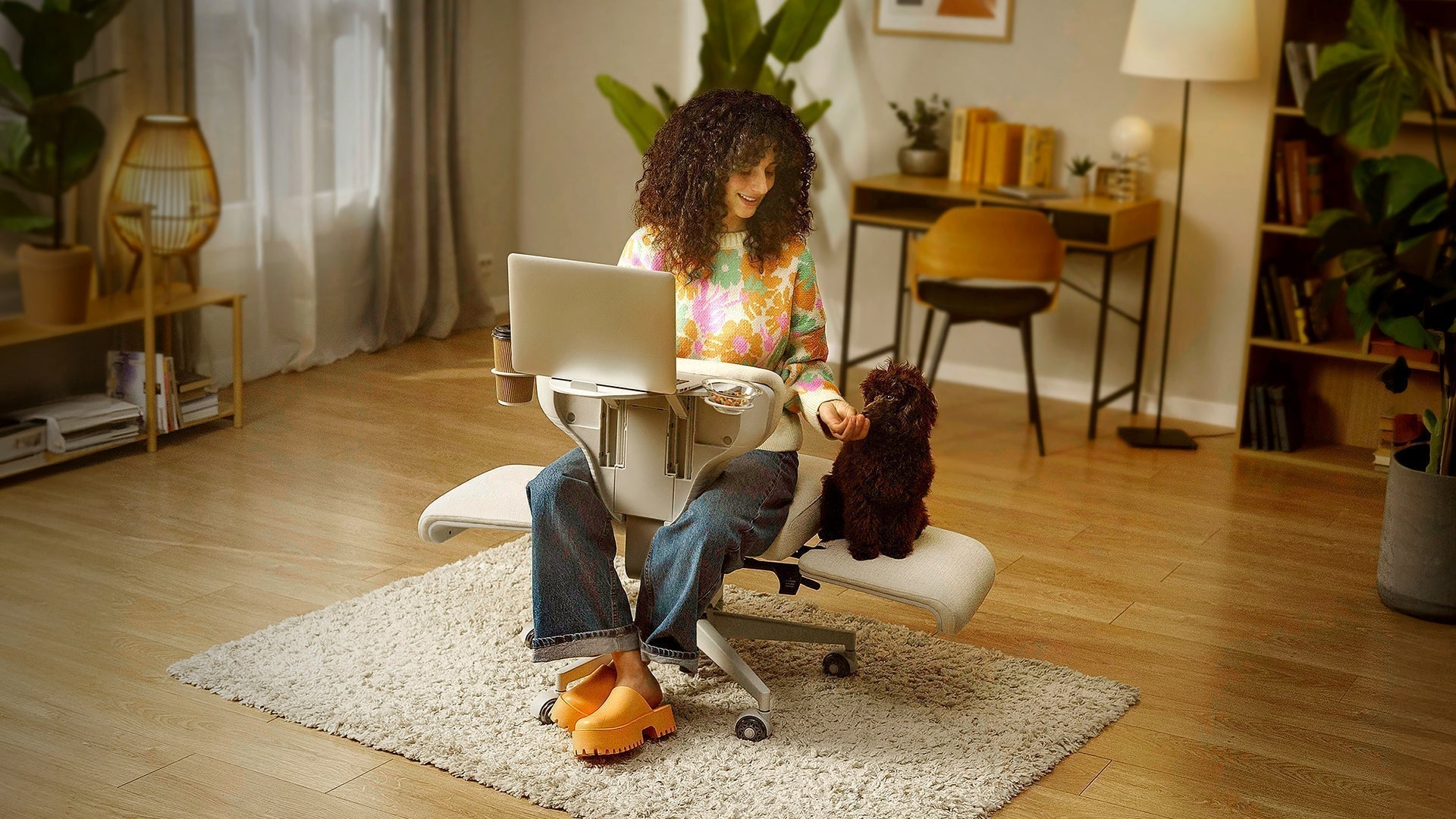
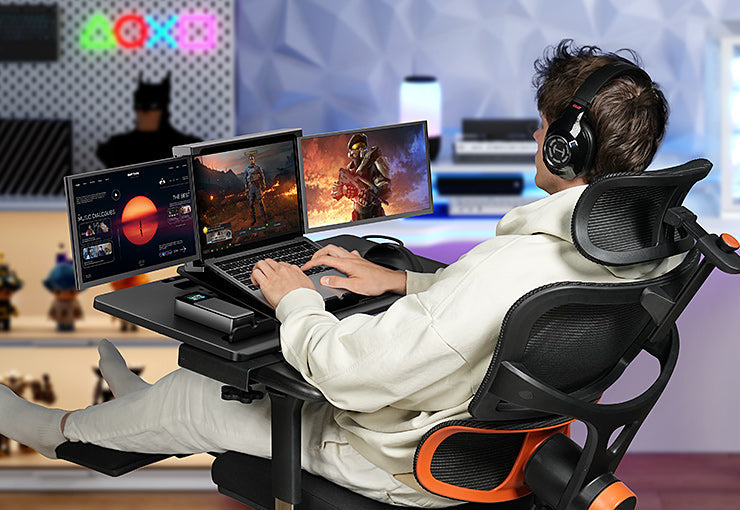
The Newtral Magic H
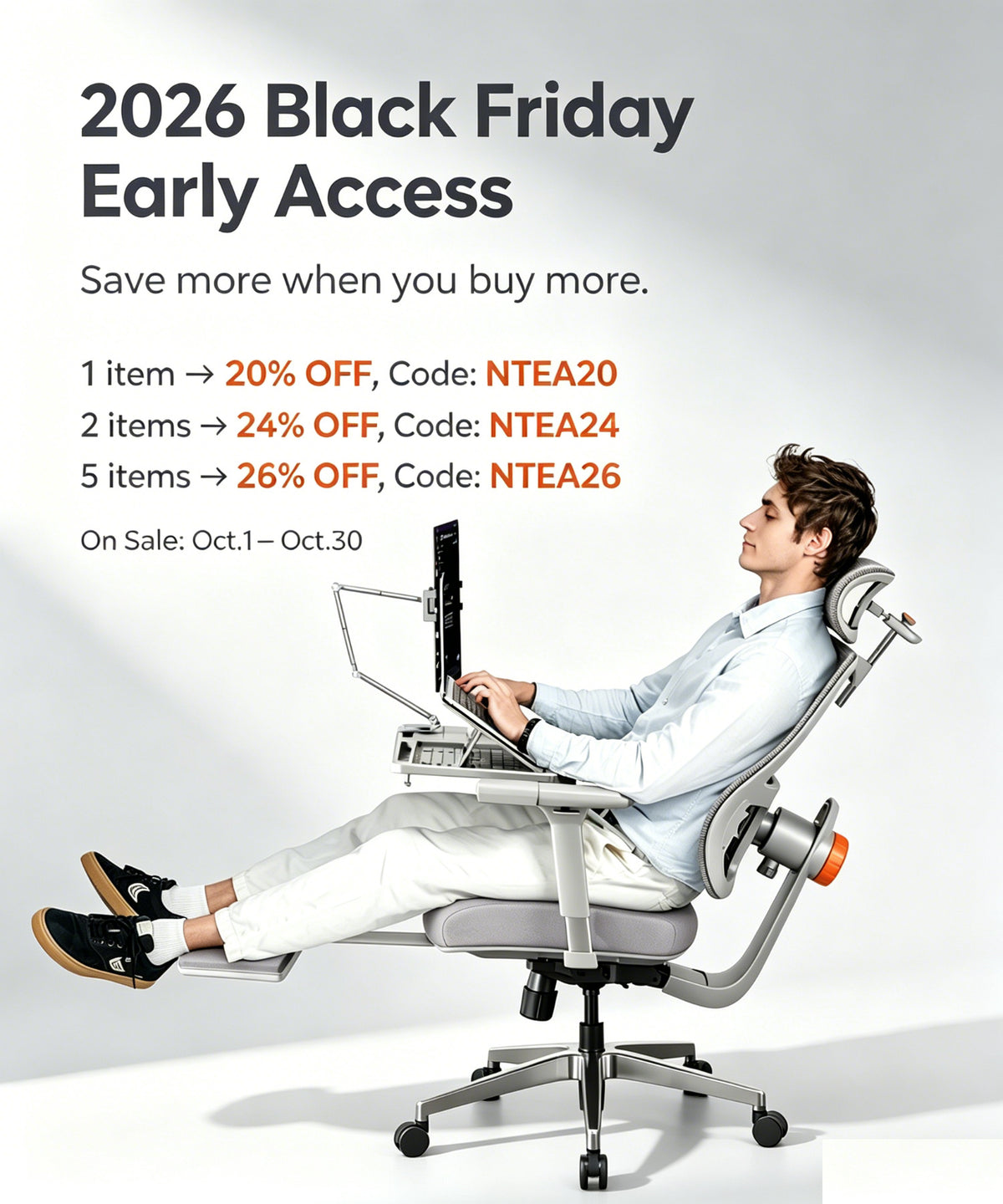
If you are looking for the ultimate workstation upgrade, the Newtral Magic H takes ergonomics to the next level. It features a unique foldable desk surface directly attached to the chair, allowing you to bring your laptop closer to your body. This prevents the "tech neck" strain caused by leaning forward over a desk. Combined with a footrest and full reclining capabilities, it is designed to keep your body in a neutral, stress-free position all day long.
Blog18
Next Steps: How to Progress
Once this routine feels easy, you don't necessarily need to join a gym. You can simply make these moves harder.
- Add Weight: Hold a heavy book, a water jug, or a backpack against your chest while you do the Chair Squats or Torso Twists.
- Increase Volume: Start with 10 reps. Over time, try to work up to 20 reps per exercise without stopping.
- Stand Up: As your balance and strength improve, try doing the squats without the chair behind you (bodyweight air squats) or doing push-ups against your desk instead of chair dips.
Consistency is key. Doing this routine three times a week will do more for your health than one intense gym session once a month. Start today.
FAQs About Chair Workouts for Men
Can I lose weight doing chair workouts?
Yes, chair workouts can support weight loss if you stay consistent, keep rest short, and pair it with a simple calorie-aware diet; the mix of light cardio and muscle work helps you burn more over time without needing a gym.
Will this help with back or neck pain?
Often yes if your discomfort is from long sitting and poor posture, chair moves can loosen tight hips and shoulders, wake up your core and upper back, and improve blood flow; stop if pain is sharp or shooting.
How often should I do chair workouts?
Start with 10–15 minutes, 2–3 days a week, then add a day or two as it feels easier; on busy days, do a 3–5 minute “movement break” every couple of hours to stay loose, boost energy, and lock in the habit.
Recommended reading:



Leave a comment
All comments are moderated before being published.
This site is protected by hCaptcha and the hCaptcha Privacy Policy and Terms of Service apply.