
Table of Contents
In the modern workplace, office chair choice impacts work efficiency and physical health. Foam office chairs, as a common option, draw attention for their material properties and usability. This article analyzes their pros and cons, applicable scenarios, and a specific model to help readers make informed purchasing decisions.
Are Foam Office Chairs Good?
Judging foam office chairs requires evaluating types, materials, and rebound ability key factors determining comfort, durability, and sitting experience. Only a comprehensive understanding of these aspects ensures an accurate assessment.
Material directly affects performance, with notable differences in comfort, durability, and eco-friendliness:
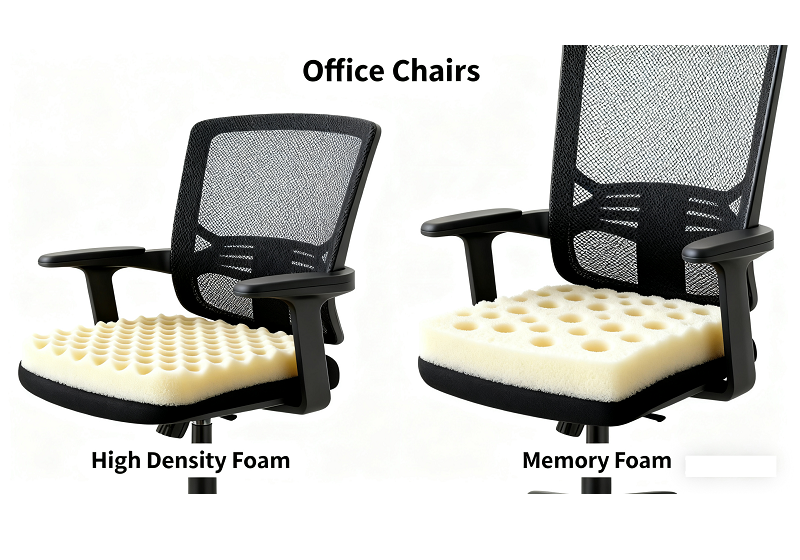
- Memory Foam: Slow-rebound polyurethane with added chemicals. Disperses pressure well for long sitting but has poor breathability (stuffy in heat).
- Polyurethane Foam: Common, low-cost, adjustable hardness. Soft versions offer comfort; hard versions provide support. Average durability (prone to aging/deformation).
- Latex Foam: Natural (rubber tree sap, eco-friendly) or synthetic. Breathable, elastic, antibacterial. High price; natural latex yellows in sunlight.
How is the rebound ability of foam chairs?
Rebound ability (influenced by material type/density) impacts support and lifespan:
- Memory Foam: Slow (3-5 seconds rebound). Fits body well but may feel "saggy" if too slow.
- Polyurethane Foam: Moderate (1-2 seconds). Adjustable via hardness; suits most sitting habits.
- Latex Foam: Excellent (under 1 second). Quick recovery; maintains support long-term.

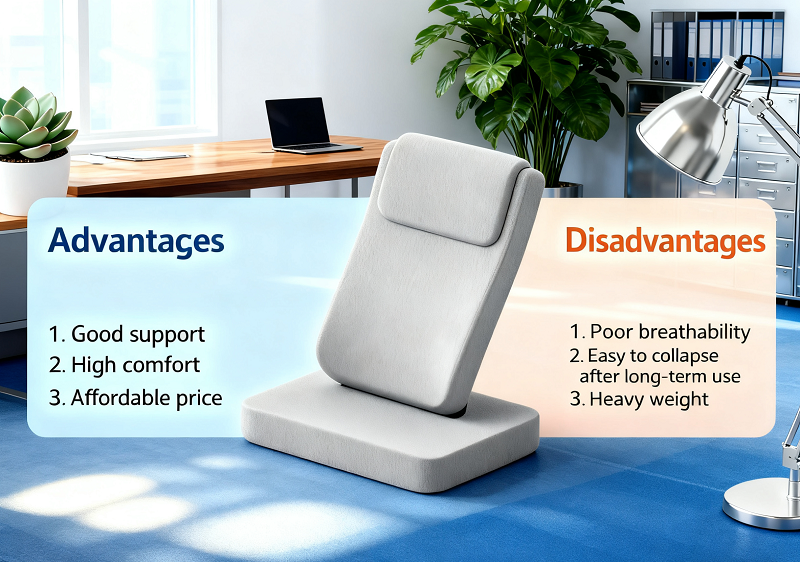
Advantages of Foam Office Chairs
Foam office chairs excel in multiple areas, making them widely used:
Exceptional Comfort and Pressure Relief
Foam fits body curves (back, buttocks) to distribute weight evenly, reducing spinal/hip/leg pressure. Memory foam models offer personalized support, easing long-sitting fatigue.
Lightweight Design
Lighter than solid wood/metal chairs. Easy to move/position—ideal for adjusting office layouts or transporting. Lowers transportation costs for manufacturers/buyers.
Cost-Effectiveness
Low production costs (easy raw materials, simple process) make them affordable vs. high-end options (leather, complex ergonomic chairs). Durable (3-5 years with care), offering good value for budgets (startups, SMEs).
Versatile Aesthetic and Customization
Adapts to diverse office decor (minimalist, industrial, warm). Surface fabrics (fabric, leatherette) enhance style. Customizable (foam hardness, size, backrest height, armrests) for individual needs.
Good Initial Support
Instantly responds to body pressure to maintain correct posture (reduces hunching). Facilitates easy sitting/standing.
Disadvantages of Foam Office Chairs
Foam office chairs have notable drawbacks to consider:

Susceptibility to Wear and Tear
Foam loses elasticity/flattens/cracks over time (worse in high-pressure areas like buttocks). Poor-quality fabrics pill/fade/tear, harming appearance and comfort.
Poor Heat Dissipation
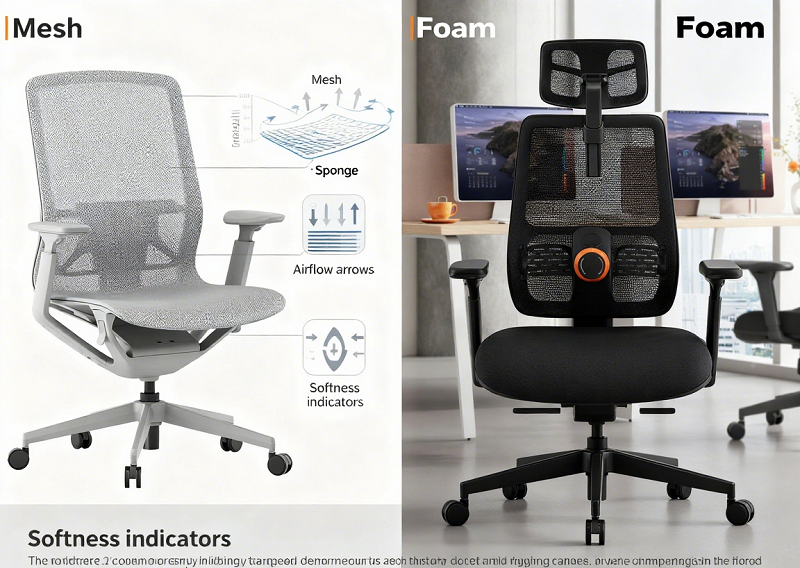
Most foams have poor breathability; trapped body heat causes stuffiness (worse in summer/poor ventilation). Surface breathable holes offer limited improvement.
Limited Weight Capacity
Ordinary models support 200-250 lbs. Exceeding this deforms foam, shortens lifespan, or damages frames—unsuitable for heavier users.
Potential for Allergic Reactions
Foam additives or fabrics (chemical fibers) may contain allergens. Irritates sensitive users (itching, sneezing, coughing), even with compliant models.
Environmental Impact
Production uses toxic chemicals (e.g., isocyanates for polyurethane) that pollute if untreated. Foam is non-biodegradable; incineration releases toxins, and recycling is costly (low rates).
When Would You Use a Foam Office Chair?
Foam office chairs suit specific scenarios:
Entry-Level Office Environments (Suitable for Startups or Budget Teams)
Low cost fits startup/budget team budgets. Lightweight design adapts to small spaces or growing teams.
Temporary Workstations (Fitting for Freelance Studios or Pop-Up Offices)
Easy to move/store for flexible freelance studios. Low cost/transportation needs reduce pop-up office setup costs; reusable post-event.
Home Office Setups (Ideal for Small Spaces and Casual Work Rhythms)
Compact/lightweight for small home offices. Comfort matches casual work rhythms; customizable to space/personal preferences.
Blog18

Ordinary chairs (200-250 lbs) fail to support plus-size users, causing deformation. Newtral’s 300-330 lb capacity provides stable support, preventing discomfort or damage.
Users with Long-Hour Sitting Needs
Enhanced foam durability maintains support during extended use, reducing fatigue vs. ordinary models.
Shared Office Spaces
Sturdy design withstands frequent use by multiple people, suiting shared environments.
FAQ
Are foam office chairs good for work?
Yes—they offer comfort, pressure relief, and initial support for daily work. Choose based on sitting duration (memory foam for long hours) and weight (Newtral for heavier users).
Are foam chairs good for gaming?
Suitable for short gaming sessions. However, poor heat dissipation may cause discomfort in long sessions; opt for breathable fabrics or latex foam.
How long does a memory foam chair last?
3-5 years with proper care. Avoid direct sunlight/moisture; regular cleaning extends lifespan. Heavier use or exceeding weight limits shortens it.



Leave a comment
All comments are moderated before being published.
This site is protected by hCaptcha and the hCaptcha Privacy Policy and Terms of Service apply.