
Table of Contents
Does your chair make a weird sound when you rotate it or lean back? This sound is annoying and distracting, especially after sitting for hours. Many people assume a loud chair is broken forever, but this is not always the case. Simple issues are at the root of most squeaks. You can solve these problems yourself, without any advanced tools.
Let’s find out the reasons that cause chairs to make noise. It also helps you fix the problem step by step.
Why Your Office Chair Is Making Noise?
Office chairs move every day. They spin, roll, and lean back. This movement takes a toll over time, and the parts begin to rub against each other. This rubbing creates noise.
Dust can cause problems as it collects in small spaces. Hair strands may wrap around the joints, and this blocks smooth movement. When components cannot move, they cause noise.
Loose screws are another factor because chairs use many bolts. These bolts may get loose due to daily use and cause loud squeaks.
Dry joints can also cause noise, so you must grease them. The metal parts rub against each other if the lubricant dries out.
Temperature changes can also be a reason because metal expands and contracts in hot and cold environments. Plastic stiffens or loosens. These changes increase friction.

Essential Tools for a Quiet Workspace
You do not require a huge toolbox, as most of the chair repairs need very few tools. You might even have them at home. Collect all your tools before starting. Here’s a list:
- Screwdriver
- A clean rag
- Soap
- Old toothbrush
- Lubricant for metal surfaces
Note: Never scratch the surface of the chair, and be careful while turning it upside down.
Four Tips to Fix a Squeaky Desk Chair
Don’t stress out if your chair is making a weird noise. Here are a few tricks to fix them within a short time.
Find Where the Squeak Is Coming From
The first step is listening while you sit in the chair and move slowly. Lean back and take turns from side to side. Rock and roll the chair. You have to pinpoint when the chair makes noise.
Try to notice when the squeak occurs. Is it when you lean back? Does it happen when you roll? Is it only while twisting? If it’s possible, ask someone to help. The chair can easily be moved by a single person, while the other can listen closely. Find the spot, so you can concentrate particularly in that area.
Tighten the Parts That Work Loose
Most chair squeaks are due to screws that have come loose from daily vibrations. Check all the screws with the screwdriver and tighten each one. Don't exert too much pressure, as over-tightening can cause damage.
First, check the screws under the seat as they hold the seat plate. Then check the armrests. Finally, you must examine the backrest connection. Test the chair after tightening by moving it slowly and rotating it in all directions. Most squeaks are gone at this point. If sound continues, proceed to the next step.
Clean Out Dust and Hair That Causes Noise
Dust and hair cause more issues than people might realize. Wheels collect hair quickly, and small joints trap dirt. Over time, this buildup clogs and hinders smooth motion.
Turn the chair upside down to examine the wheels closely. Pluck visible hair by hand. Wipe dust from the joints and other parts with a dry cloth. For sticky dirt, use mild soapy water and an old toothbrush. A quick scrub on the joints and wheels usually works.
Dry the surface completely. Letting moisture stay is the fastest way to get rust later. After cleaning, check the chair again to see if this solved the problem.
Use the Right Lubricant in the Right Spots
Lubrication helps parts move smoothly. It reduces friction and prevents metal from grinding. Buy a lubricant for chairs or mechanical equipment. Silicone and PTFE lubricants work well for this. Avoid thick grease and cooking oils.
Dab onto problem areas and pay attention to the metal joints, wheel axles, and tilt point. Do not spray too much, as excess lubricant attracts dust.
After applying, move the chair to spread the lubricant evenly. Wipe off any extra product and clean the area. Lubrication will eliminate the squeaks.

What to do if the Squeak Persists?
Some chairs still make noise even after trying all the above steps. Typically, this indicates that the major parts are worn out. Old gas lifts lose strength, or the springs get weak. Metal bends slightly over time.
Inspect the chair to find cracks in plastic pieces or any damage to the base arms. Inspect the tilting device for wear. If any part appears damaged, stop using the chair. Broken parts make the chair unsafe, and it may cause injury.
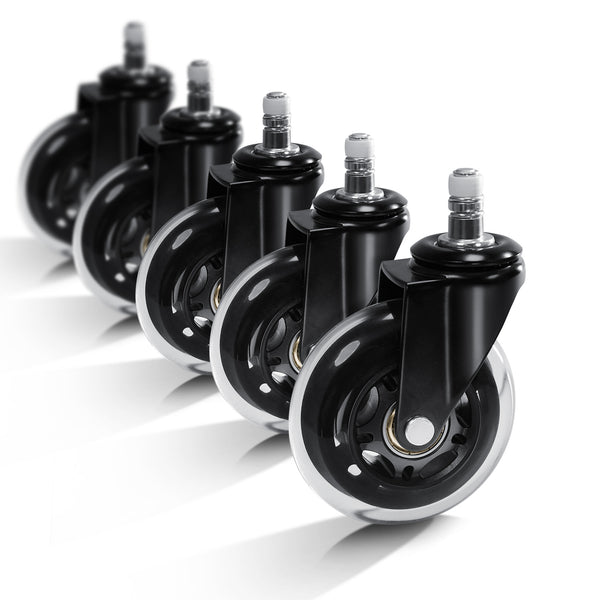
Some parts are replaceable. Wheels and gas lifts can be purchased online, and ensure that the replacement suits your chair model. In this situation, the safer option is to replace the squeaky desk chair.
Blog18
Blog18
When to Call it Quits: Finding a Reliable Replacement
Cheap chairs wear out faster because they are made from low-quality materials. If your chair starts to wobble, you must replace it.
A decent ergonomic chair gives better support as it keeps your posture aligned. It moves smoothly without noise and holds up over time. Modern ergonomic chairs have stronger frames and better tilt systems. They decrease the pressure on your back and neck.
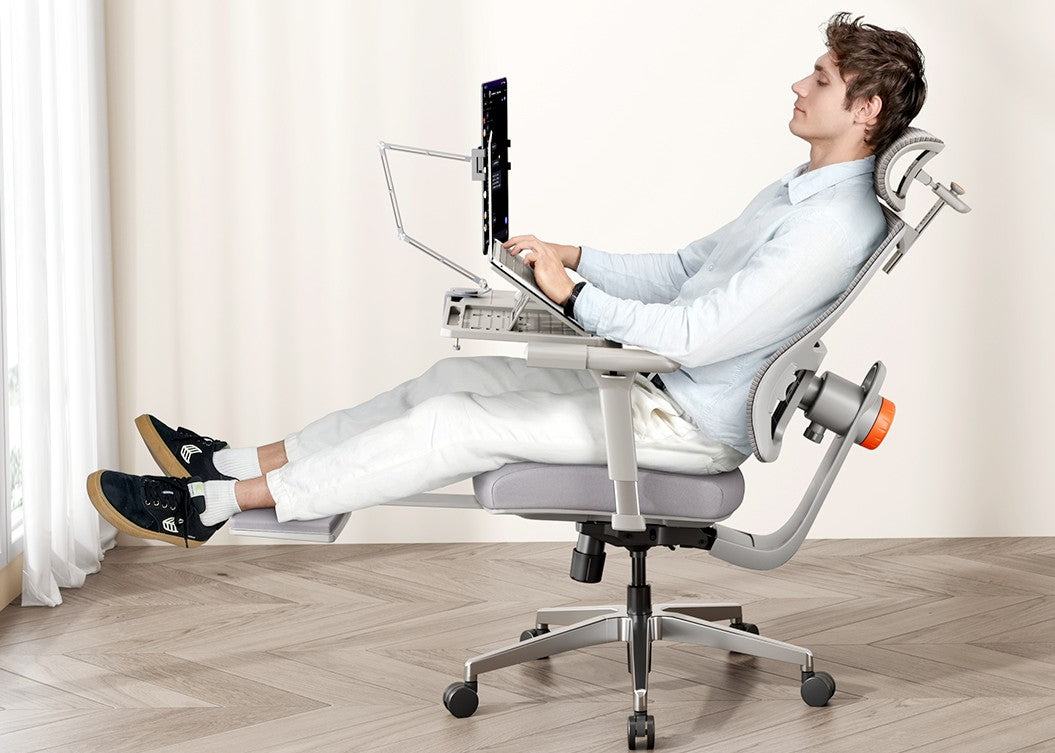
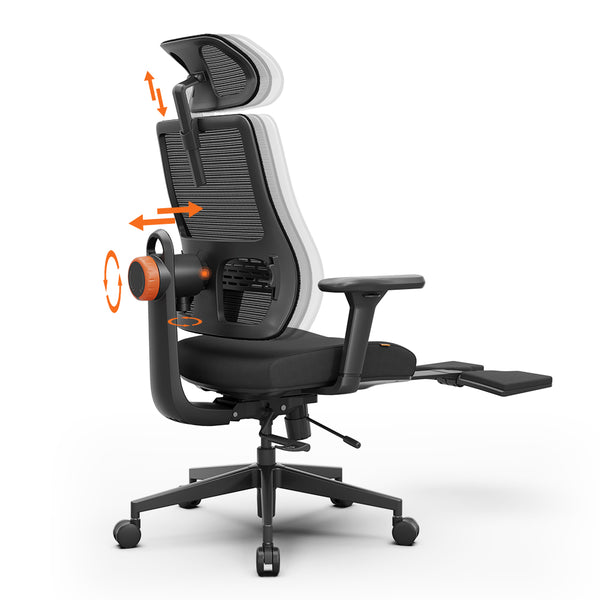
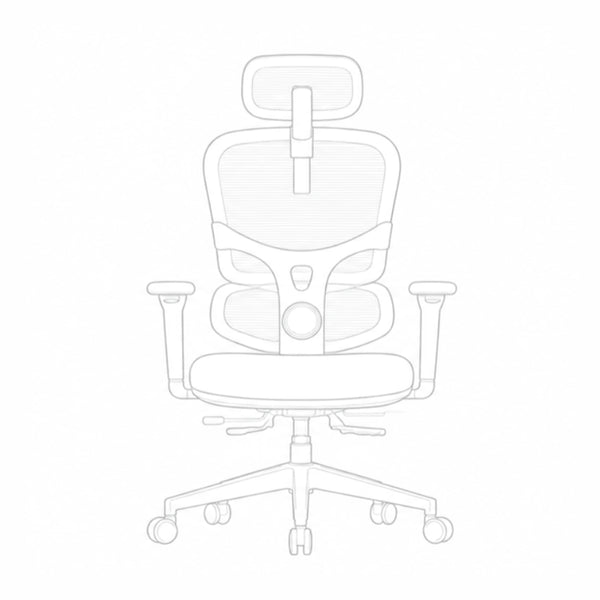
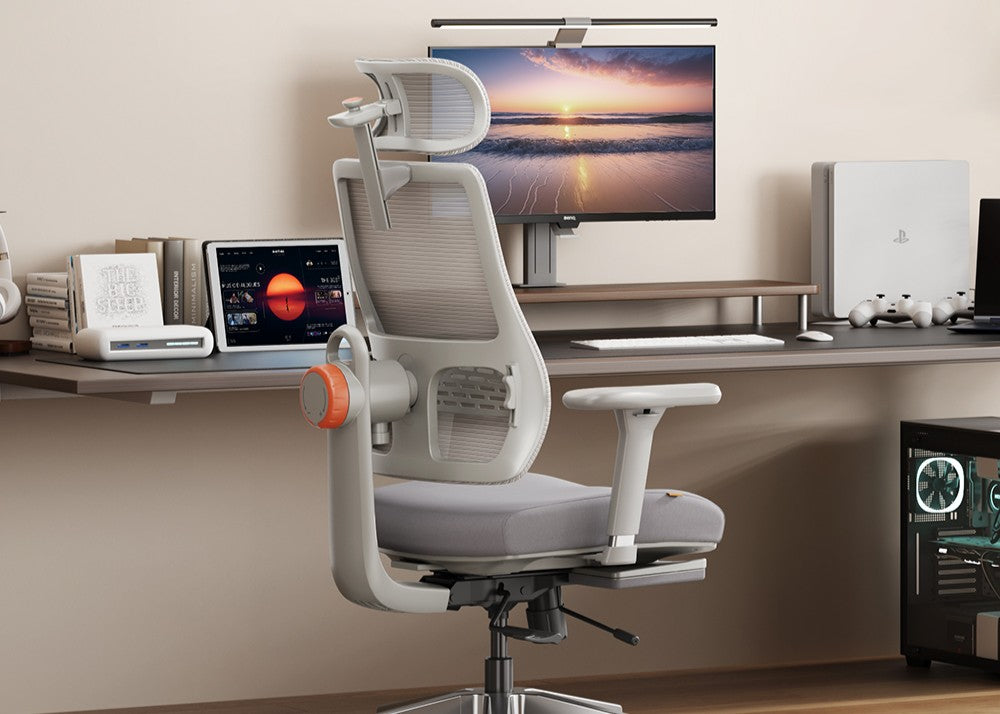
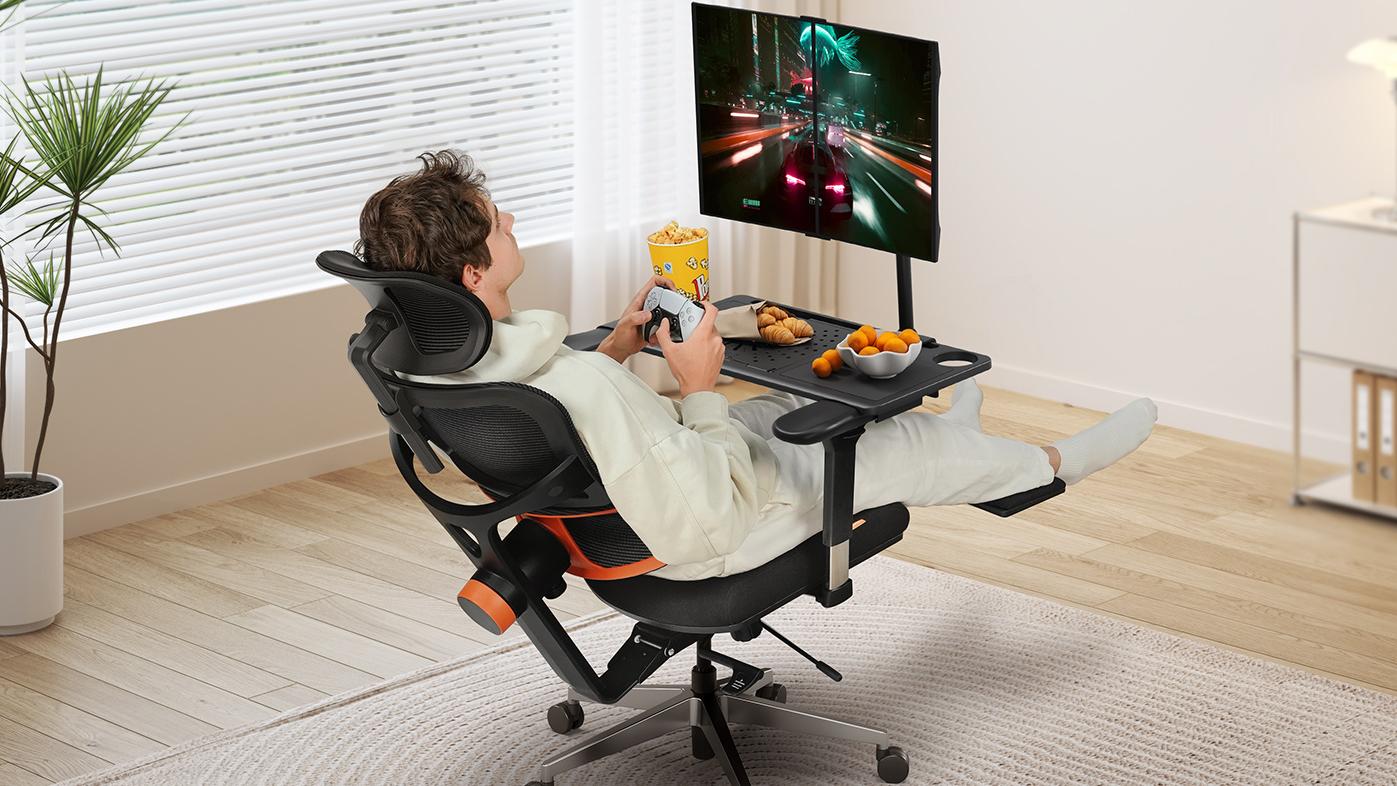
The best option is the Newtral NT002 Ergonomic Office Chair. It features an adaptive lumbar support system that automatically adjusts to the curve of your spine as you move. It offers 4D adjustable armrests and a synchronized seat and back tilt with adjustable tension. The reinforced aluminum frame and silent-roll casters ensure it stays sturdy and smooth, year after year.
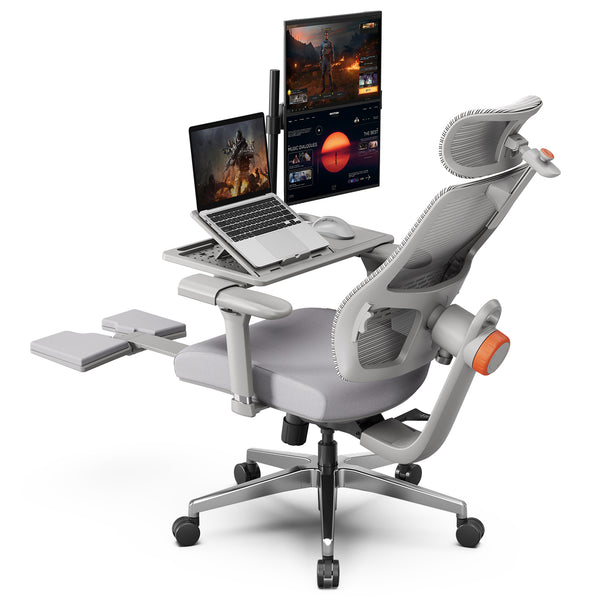
The strong alternative is Newtral Magic H Ergonomic Office Chair. The Magic H features a unique dual-zone “H” back frame that cradles both your lower and mid-back independently. It also offers multiple adjustment modes and supports natural posture. It’s quiet during extended work sessions. The high-resilience seat foam and gentle waterfall edge eliminate pressure points, making it ideal for sensitive sitters or extended use.
Final Thoughts
A squeaky desk chair can cause frustration over time. The sound interrupts work and affects your mood, but most squeaks have easy fixes. You can locate the source by listening closely and fixing the problem through simple strategies such as tightening screws. Proper lubrication restores smooth movement. These steps demand some time, but they save money. A quality ergonomic chair is an investment, like the Newtral series, which can end the noise and proactively care for your posture and long-term comfort. Think of it as investing in your daily well-being. It’s the support your body deserves, every single day.

Frequently Asked Questions
When should I stop fixing and replace the chair?
Stop repairing the chair if any parts crack or bend. Replace it if it is unsteady or unsafe. If the Gas lifts have eroded, you must replace the chair.
What is the best lubricant for an office chair?
Silicone or PTFE lube is ideal. They reduce friction and are suitable for the metal and plastic components.
Can I use vegetable oil or cooking spray as a quick fix?
Do not use cooking oil as it turns sticky over time and attracts dirt. The squeak will come back soon, and maybe get worse.
Why does my chair squeak only when I lean back?
The creaking is due to the tilt mechanism. The springs and joints move during leaning or rotation. A few turns of a screw or a drop of lubricant generally solves the problem.
More reading:



Leave a comment
All comments are moderated before being published.
This site is protected by hCaptcha and the hCaptcha Privacy Policy and Terms of Service apply.