

Sitting cross-legged can feel comfortable and help you focus. Many people do it during work or meetings, thinking it’s a quick fix for comfort. But is it really as good for you as it seems?
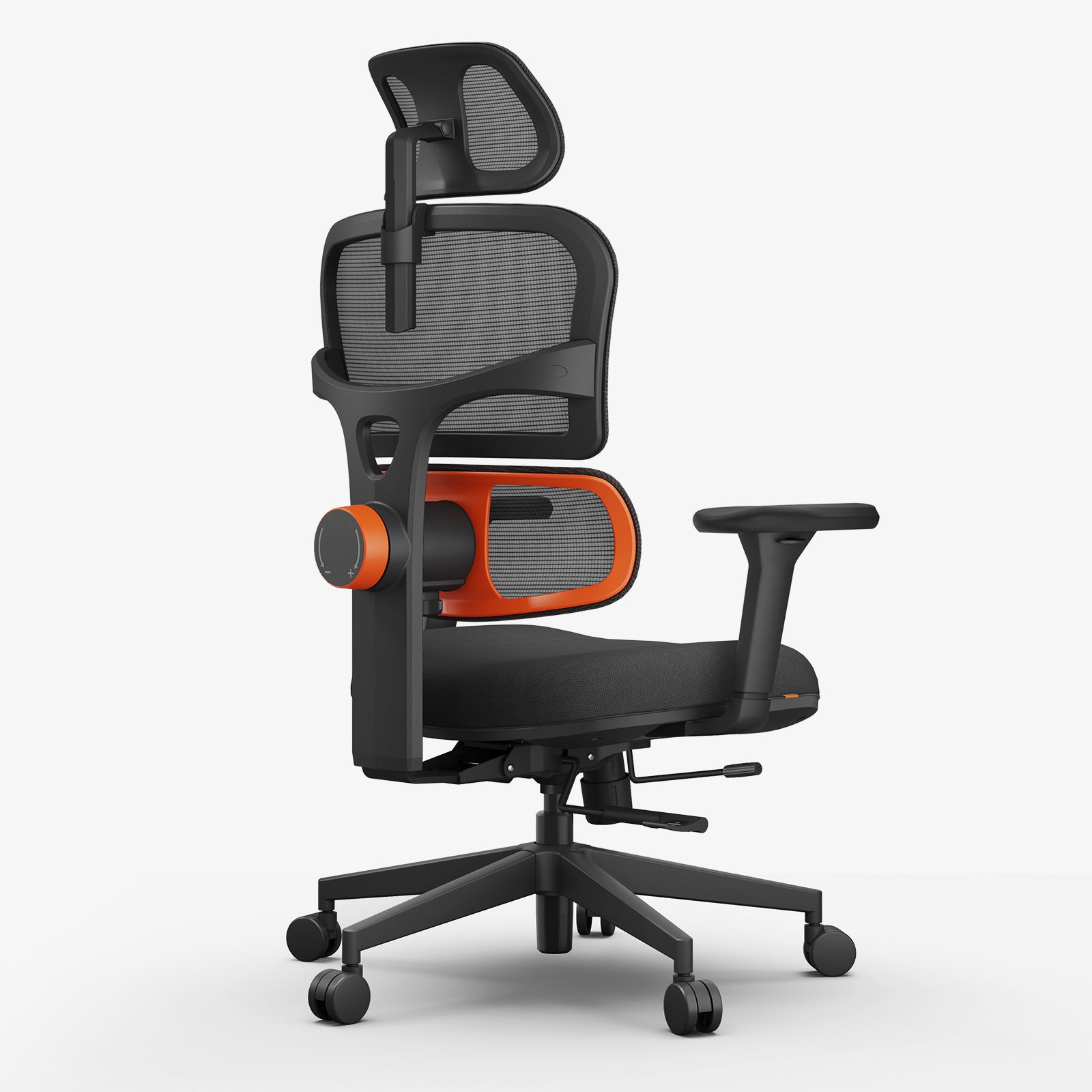
In this article, we’ll dive into the pros and cons of using a cross-legged chair for work and explore the risks and benefits of sitting this way. We’ll also look at healthier alternatives and show how Newtral Freedom X Multi-Position Chair and Freedom X Chair offer ergonomic support while letting you move freely.
What Is a Cross Legged Chair?
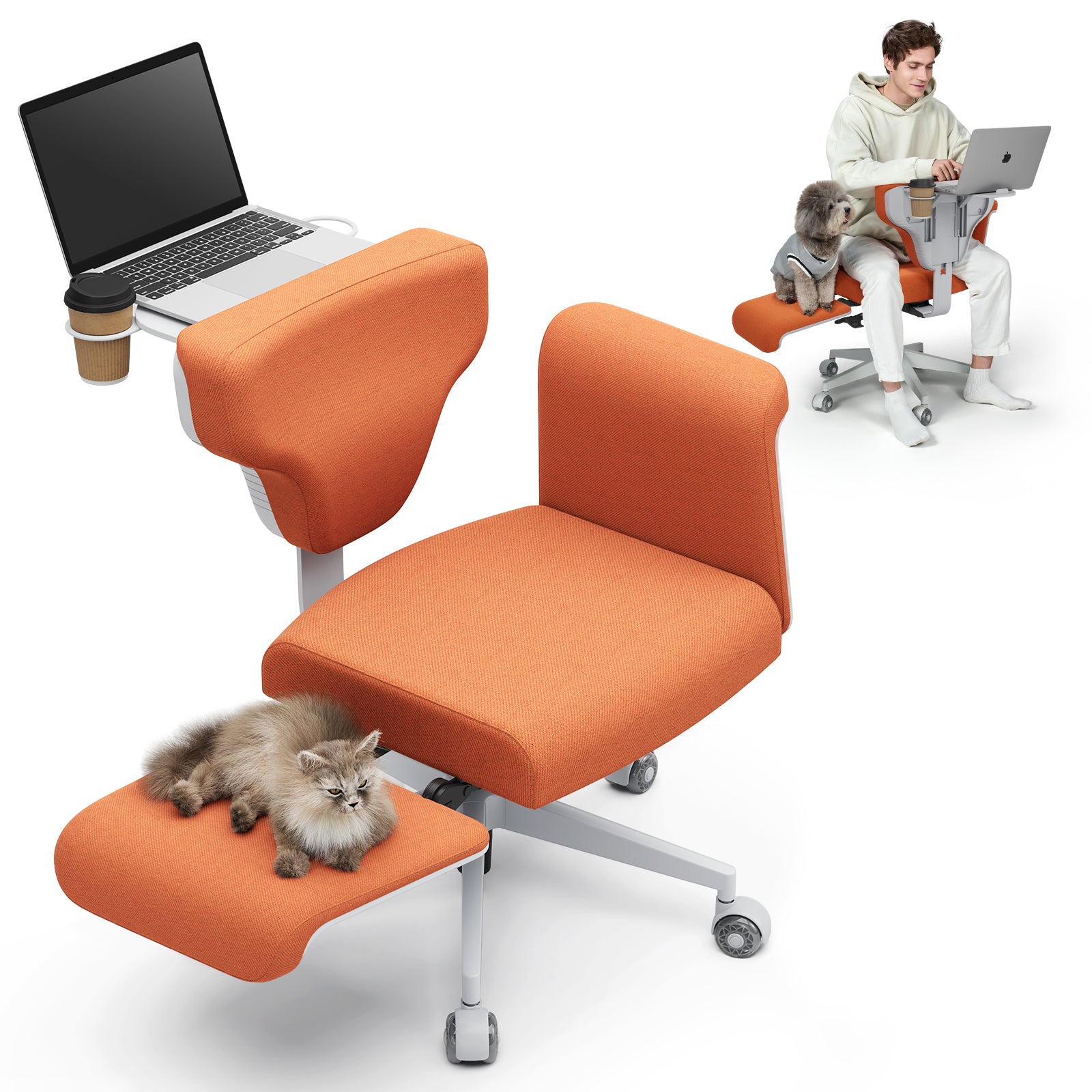
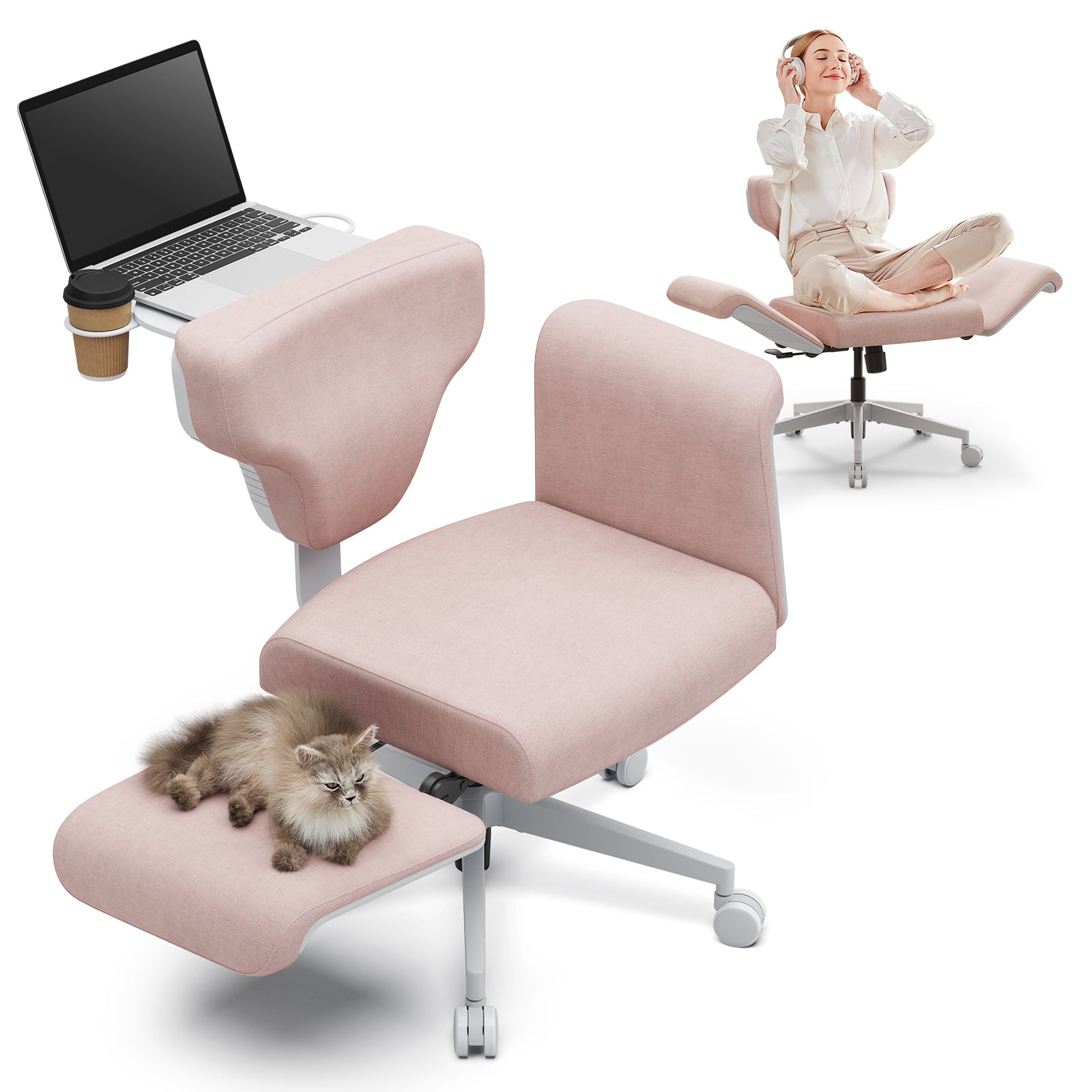
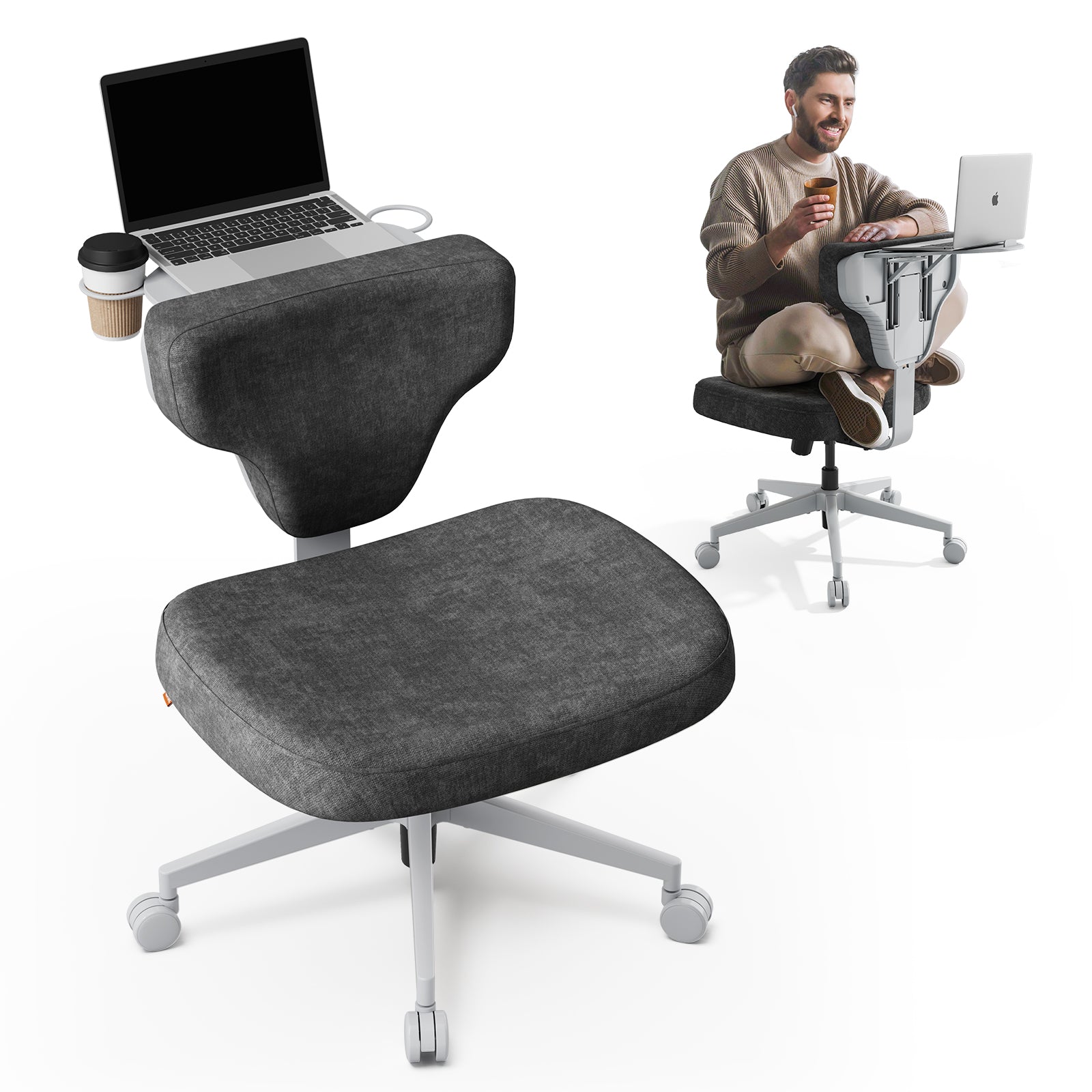
A cross-legged chair is designed to accommodate the position of sitting with your legs crossed, offering more comfort and flexibility than traditional office chairs. These chairs are typically wider, with flat seats and minimal or no armrests, providing the freedom to sit cross-legged. While these chairs provide a feeling of comfort and flexibility, they’re not always ideal for long periods.
The real question is whether this type of chair supports your posture and health in the long run or if it leads to discomfort and strain. Let’s explore the good and bad.

The Pros: Why People Choose to Sit Cross-Legged
Explore the benefits of cross-legged sitting, from comfort to improved focus, and why many people prefer this position for short bursts of work or relaxation.
Immediate Comfort vs. Long-Term Strain
Sitting cross-legged offers immediate comfort, especially during short work or relaxation sessions. It feels like you’re stretching your hips and lower back, which is why so many people prefer it for short breaks. However, it’s not always the best for long periods. Prolonged sitting in this position can cause stiffness, muscle tension, and circulation problems.
To get the most out of cross-legged sitting, change your posture often. Mix it up with neutral positions to avoid causing harm to your muscles or spine.
Grounding and Focus
Sitting cross-legged can help with grounding and focus. For many, it provides a sense of stability and calmness, which is why it’s commonly chosen for meditation or thinking sessions. This is especially beneficial for people with ADHD, as it helps improve focus by reducing restlessness.
While the grounded feeling is beneficial, using it as a permanent posture isn’t ideal. Movement is still key. Frequent changes in posture ensure long-term comfort.
Flexibility and Movement
One of the major advantages of sitting cross-legged is the freedom to shift your posture. You can change the angle of your hips and knees to avoid discomfort and stiffness. Unlike traditional office chairs, cross-legged seating allows for more flexibility in posture.
However, the best way to sit comfortably for long hours is to alternate positions. Staying in one posture for too long—whether cross-legged or not—can lead to muscle strain. Movement is key!
The Cons: The Hidden Risks You Should Be Aware Of
Learn about the risks of sitting cross-legged for long periods, including nerve compression, circulation problems, and spinal misalignment, and why it’s important to be mindful of these issues.
Can Sitting Cross-Legged Cause Problems?
Yes, sitting cross-legged for long periods can lead to numbness, tingling, and even nerve compression. The most commonly affected nerve is the peroneal nerve, which can cause temporary foot drop. This condition makes it difficult to lift the foot properly and could lead to long-term discomfort if the posture is maintained too long.
To avoid nerve damage, it’s crucial to frequently switch your posture and avoid sitting cross-legged for extended periods. If you experience numbness or tingling, uncross your legs immediately.
Blood Circulation Issues: Crossing Your Legs at the Knees vs. Ankles
There’s a big difference between crossing your legs at the kneesversus at the ankles. Crossing at the knee can restrict blood flowand cause issues like varicose veins or deep vein thrombosis (DVT). Crossing your legs at the ankles is less risky, but it can still impact circulation if done for long periods.
It’s important to be mindful of circulation and make sure to move frequently to keep your blood flowing. If you’re going to cross your legs, make sure to switch to an ankle cross to reduce the risks.
Table 1: Leg Crossing: Knee vs. Ankle Comparison
|
Factor |
Knee Crossing |
Ankle Crossing |
|
Blood Pressure |
May temporarily elevate BP |
No significant effect |
|
Circulation Risk |
Higher risk of restriction |
Lower risk, but still possible |
|
Comfort |
Can cause discomfort over time |
More comfortable for short periods |
Pelvic Tilt and Spinal Misalignment
When you sit cross-legged, the pelvic tilt can become uneven, causing spinal misalignment. This misalignment can lead to back, neck, and shoulder strain over time. Most cross-legged chairs lack proper lumbar support, which makes it worse.
To avoid this risk, it’s essential to maintain proper spinal alignment, especially during long hours of sitting. Adding lumbar support can help reduce the effects of pelvic tilt and improve overall comfort.
How to Sit Cross-Legged Safely (If You Love It)
Tips on how to sit safely while cross-legged, including posture changes, frequent movement, and choosing the right chair to prevent discomfort.
Session Dosing and Side Alternation
If you prefer sitting cross-legged, it’s important not to stay in the same position for too long. Limit your cross-legged sitting to 15-20 minutes at a time, then switch sides. This reduces the pressure on one side of your body and helps prevent numbness or muscle strain.

By alternating your position regularly, you’ll be able to enjoy the comfort of cross-legged sitting without compromising your health.
Movement Cadence (Dynamic Sitting)
Dynamic sitting is essential. Sitting in one position for too long can lead to stiffness and poor circulation. To counter this, take frequent breaks to stand, stretch, or walk. Following the 20-8-2 rule(sit for 20 minutes, stand for 8 minutes, and move for 2 minutes) is a great way to keep your body in motion and avoid sitting for extended periods in any one position.
Protect Your Knees and Hips
When sitting cross-legged, make sure you’re not forcing your legs into an unnatural position. Keep your legs relaxed to avoid putting excessive pressure on your hips and knees. Maintaining contact with the backrest helps support your spine while sitting in this posture.
The key to a healthy cross-legged position is combining it with good lumbar support. The Newtral Freedom X Multi-Position Chair offers this, giving you the flexibility to move while keeping your spine supported.
Desk Setup and Visual Ergonomics
Make sure your screen is at eye level, your elbows are supported, and your shoulders are relaxed. Avoid slouching or leaning forward, even when sitting cross-legged. Proper alignment ensures that you don’t strain your neck, shoulders, or spine.
Ergonomics That Google (and Your Body) Reward
Understand the key ergonomic principles for better sitting and why dynamic movement and proper chair features are essential for long-term comfort.
Dynamic Sitting Principles
The best way to avoid discomfort and strain is to practice dynamic sitting. This means changing your posture and moving regularly. The 20-8-2 rule encourages you to sit for 20 minutes, stand for 8 minutes, and move for 2 minutes. This approach helps keep your body in motion, reducing the effects of prolonged sitting.
Standards and Checklists
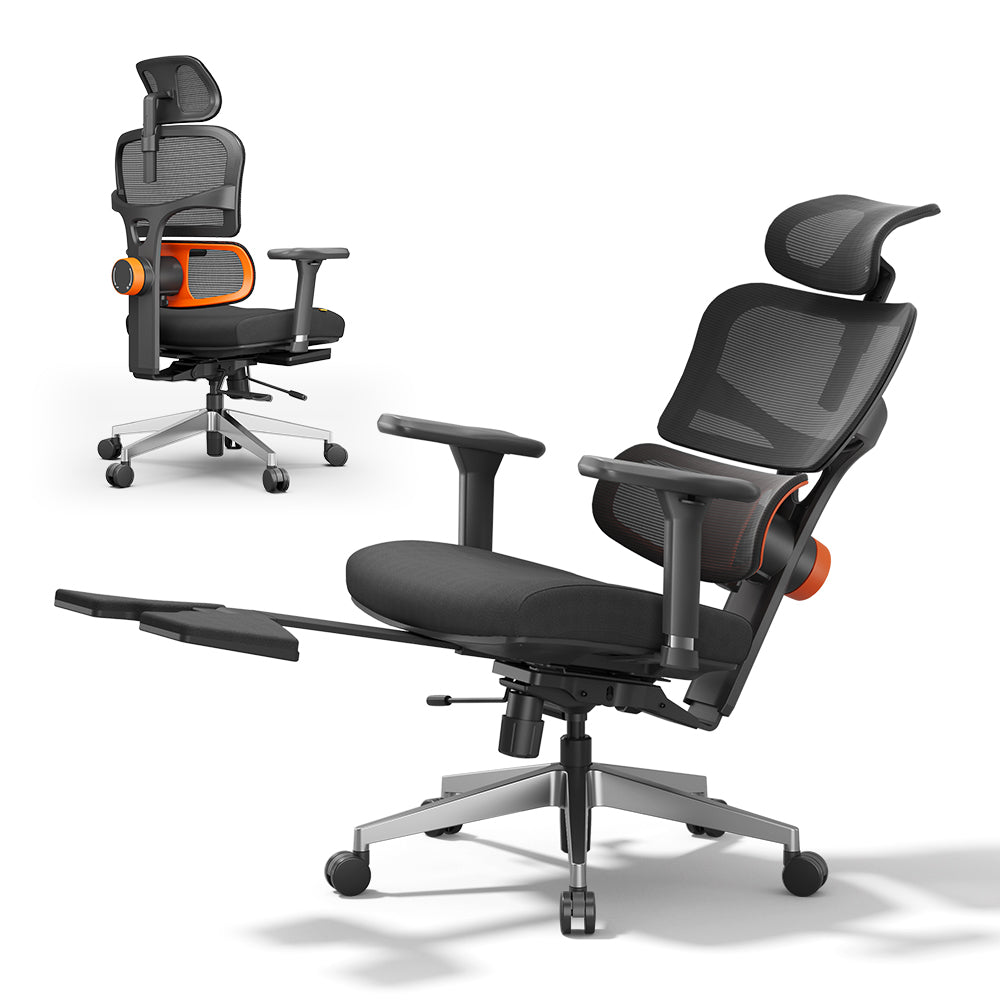
Look for ergonomic features that support spinal alignment, movement, and blood circulation. Chairs that follow ANSI/BIFMA and ISO 9241 standards ensure that you’re getting the right support. Newtral Freedom X follows these standards, providing you with adjustable seat depth, backrest recline, and lumbar support to reduce strain and improve comfort.
Cross-Legged Chairs vs. Ergonomic Office Chairs: What’s the Real Difference?
A comparison of cross-legged chairs and ergonomic office chairs to help you decide which provides better support and comfort for long hours of sitting.
Comparison Table (Key Workday Factors)
|
Feature |
Cross-Legged Chair |
Newtral Freedom X Chair |
|
Seat Width & Depth |
Wide, flat seat |
Adjustable, ergonomic seat |
|
Lumbar Support |
Minimal, often absent |
Adjustable lumbar system |
|
Armrest |
None or fixed |
Adjustable, retractable arms |
|
Movement Support |
Limited |
Synchro-tilt and dynamic sitting |
|
Comfort for Long Hours |
Short-term relief |
Designed for all-day use |
Should You Buy a Cross-Legged Chair?
A quick decision guide to help you determine if a cross-legged chair fits your work habits or if an ergonomic chair might be the better option.
If You Work 6–10 Hours/Day at a Desk
Opt for a dynamic ergonomic chair like the Newtral Freedom X. This chair offers support for long hours of sitting while still allowing you to change positions. Use cross-legged sitting as a temporary break posture.

If You Want the Option to Cross Without the Trade-Offs
If you love cross-legged sitting but want to avoid compromising your posture, choose an ergonomic chair that lets you sit comfortably without sacrificing support. The Newtral Freedom X offers this flexibility.
If You’re At-Risk (Hypertension, Nerve Issues, Post-Op, Pregnancy/Post-Partum)
It’s best to stick to neutral postures for most of the day. Cross-legged sitting should be used sparingly, and you should take regular breaks to move your body and relieve pressure.
Alternatives People Compare
Kneeling Chairs vs. Cross-Legged Chairs
Kneeling chairs promote a forward tilt and engage your core. They’re great for posture but uncomfortable for long sitting. The Newtral Freedom X is better for long hours, providing adjustable support and movement flexibility.
Active Stools / Balance Stools
Active stools encourage movement, but they’re uncomfortable for extended sitting. The Newtral Freedom X provides the benefits of dynamic sitting while maintaining comfort throughout the day.
Sit-Stand Setups
A sit-stand desk lets you alternate between sitting and standing, preventing prolonged pressure on your body. The Newtral Freedom X can be paired with a sit-stand desk to give you ultimate flexibility.
FAQs (For Rich Snippets)
Is it OK to work cross-legged all day?
No—cross-legged sitting should be intermittent. Regular posture changes are crucial for comfort and health.
Does crossing legs raise blood pressure?
Knee crossingcan temporarily elevate blood pressure, but ankle crossingusually has no significant effect.
Can crossing cause nerve damage?
Long-term compression of nerves can lead to peroneal nerve palsy. Switch up your posture regularly to avoid this.
Will crossing legs cause varicose veins?
It doesn’t cause varicose veins, but immobilityduring sitting can worsen existing symptoms.
What chair lets me cross my legs safely?
An ergonomic chair like the Newtral Freedom X allows cross-legged sitting without sacrificing lumbar support.







Leave a comment
All comments are moderated before being published.
This site is protected by hCaptcha and the hCaptcha Privacy Policy and Terms of Service apply.