
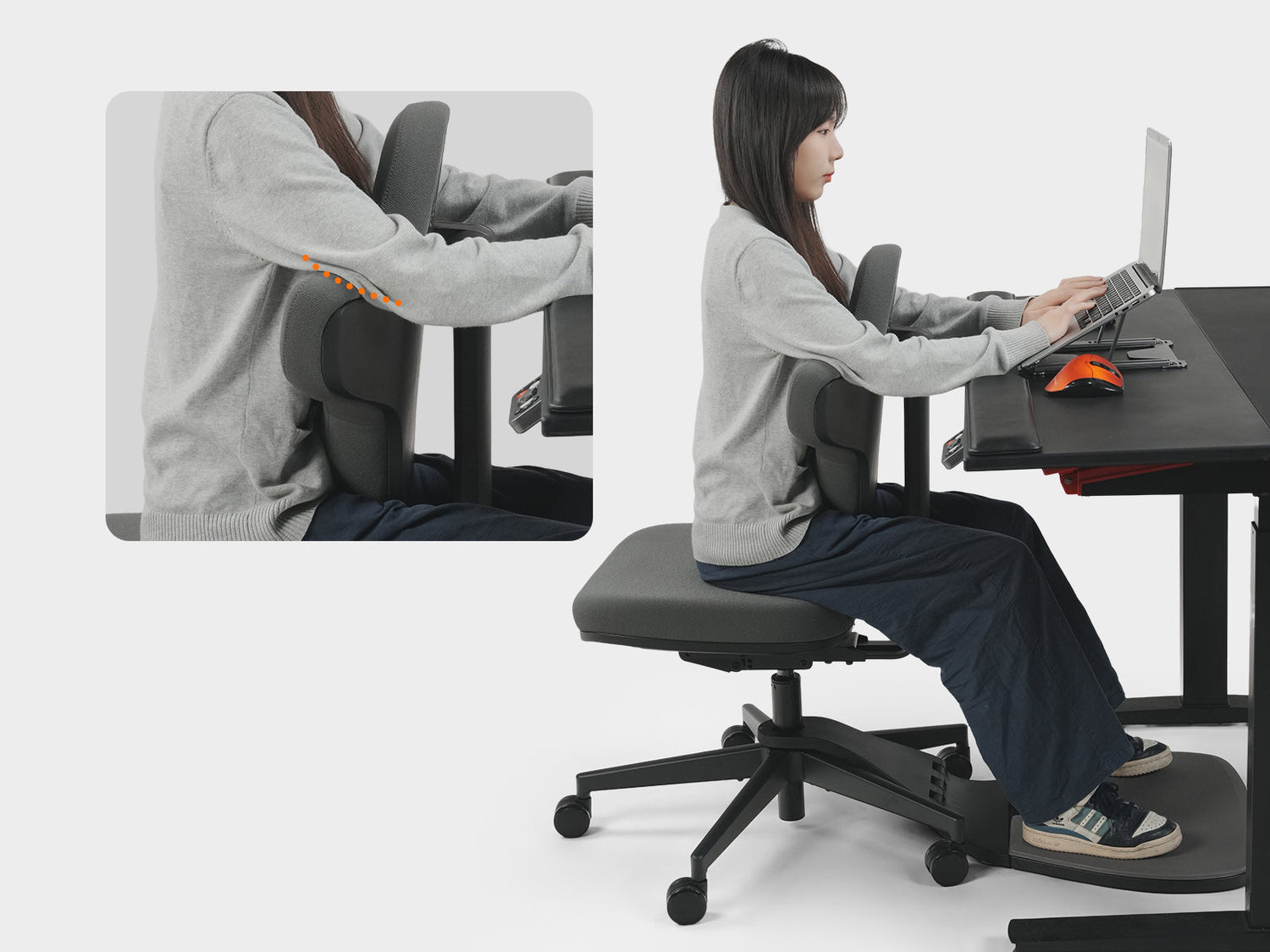
If you spend eight hours a day at a desk, you’ve probably noticed your backside feeling a bit... different. Maybe it’s numb, maybe it’s sore, or maybe it’s just starting to look a little flatter than it used to. In the US, we’ve started calling this "Office Chair Butt" or "Pancake Butt."
It happens when your glutes, the biggest muscles in your body, literally "shut down" because they aren't being used. But you don't have to quit your 9-to-5 to fix it. Here’s how to save your seat.
What Is Office Chair Butt and Why Does It Happen?
When you sit for hours, your hip flexors (the muscles at the front of your hips) get super tight. At the same time, your glutes get stretched out and stop firing. Think of it like a light bulb that’s been dimmed for too long; eventually, the connection gets weak. This "gluteal amnesia" leads to lower back pain, hip aches, and that flattened look we’re all trying to avoid.
Tip 1: Invest in a High-Quality Ergonomic Chair
Don't just buy the cheapest chair at the big-box store. Your chair is your most important piece of "work gear." When shopping, look for these three non-negotiables:
-
Adjustable Lumbar Support: You want a chair that lets you move the back support up or down to fit the small of your back.
-
A "Waterfall" Seat Edge: Look for a seat that curves downward at the front. This keeps the chair from cutting off circulation to your legs and glutes.
-
Mesh vs. Padded: If you run hot, mesh chairs are great for airflow. However, for "Office Chair Butt," a high-density foam seat usually offers better pressure relief than a thin mesh one.
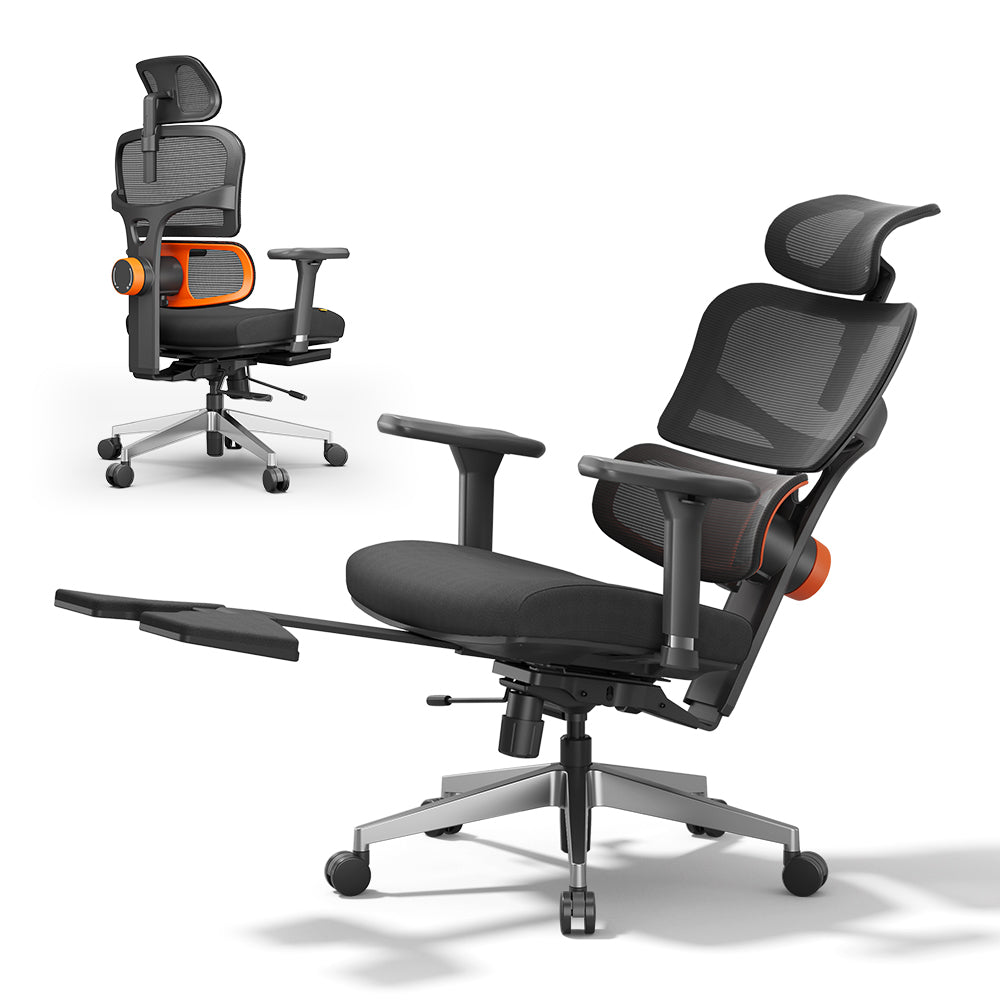
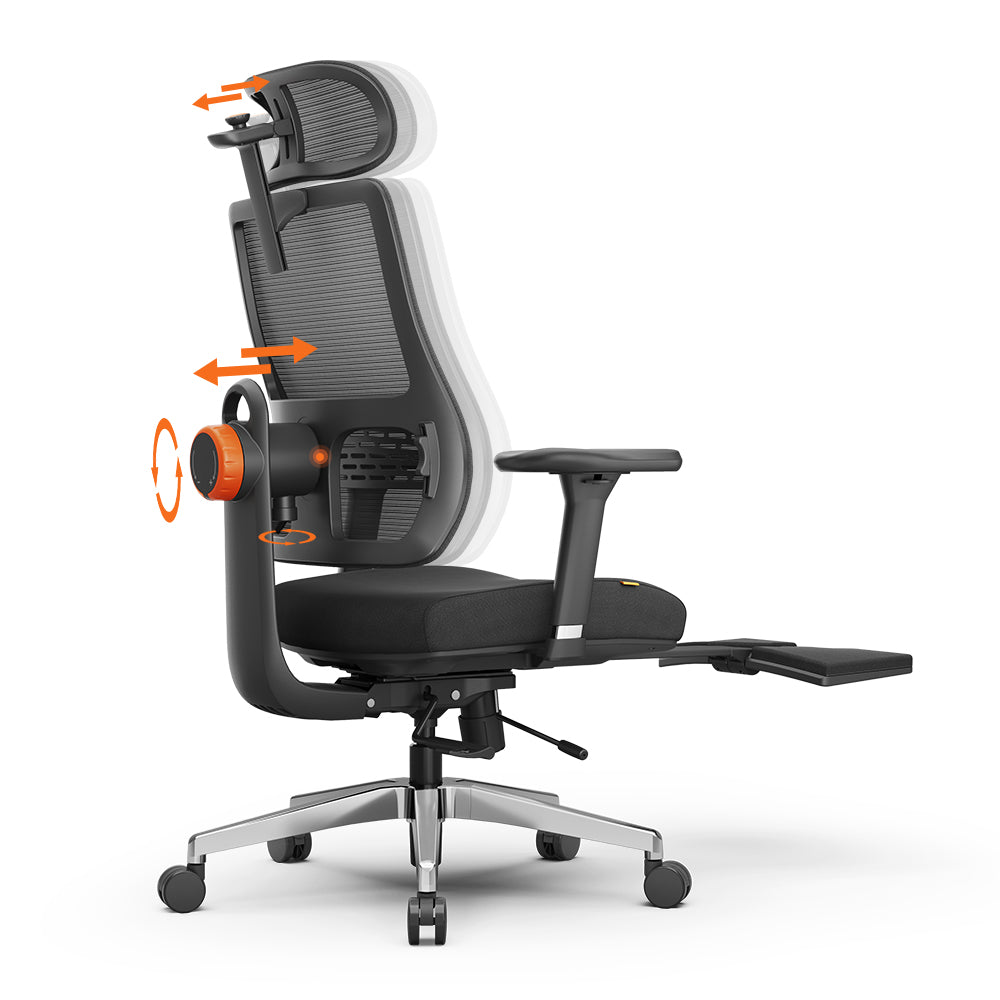
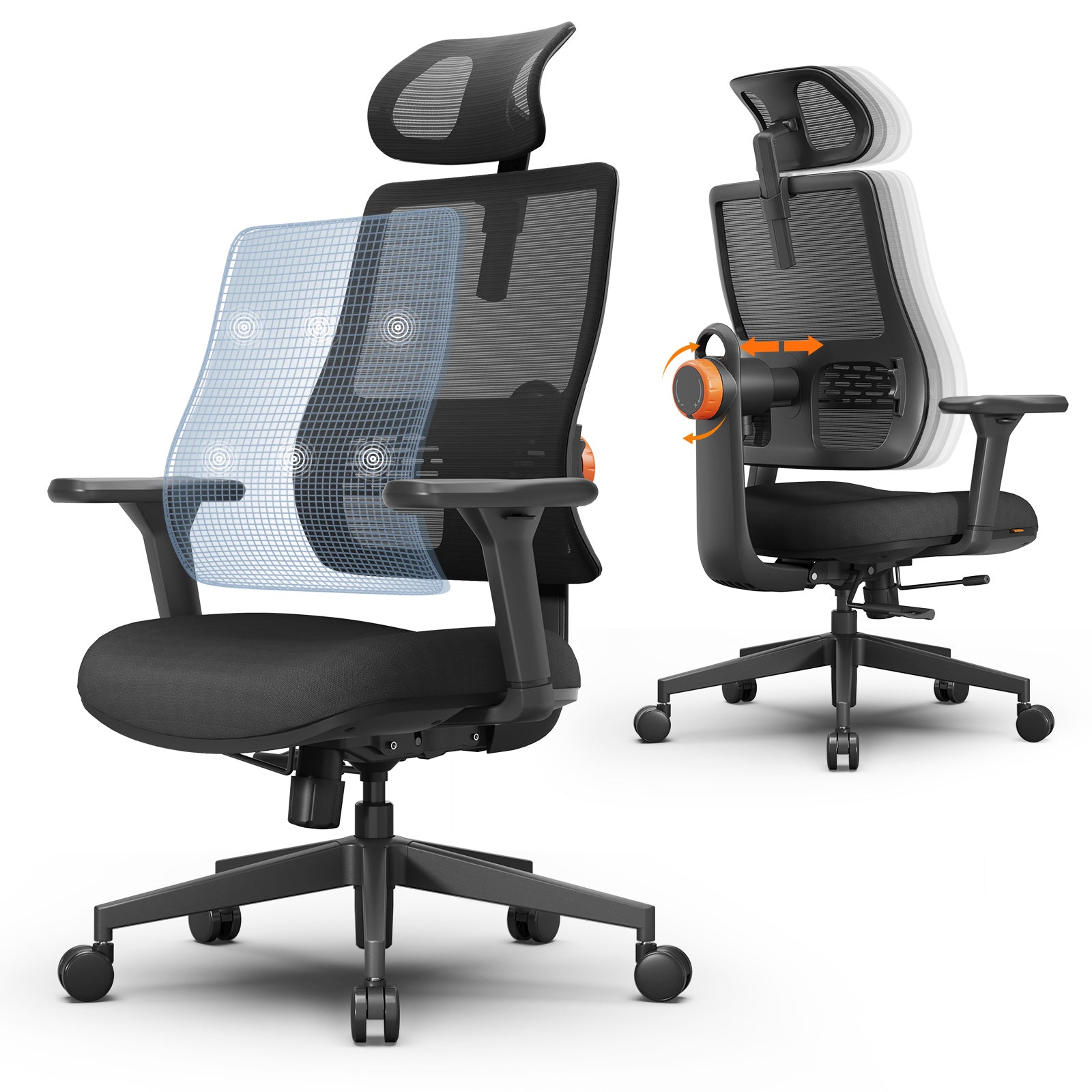
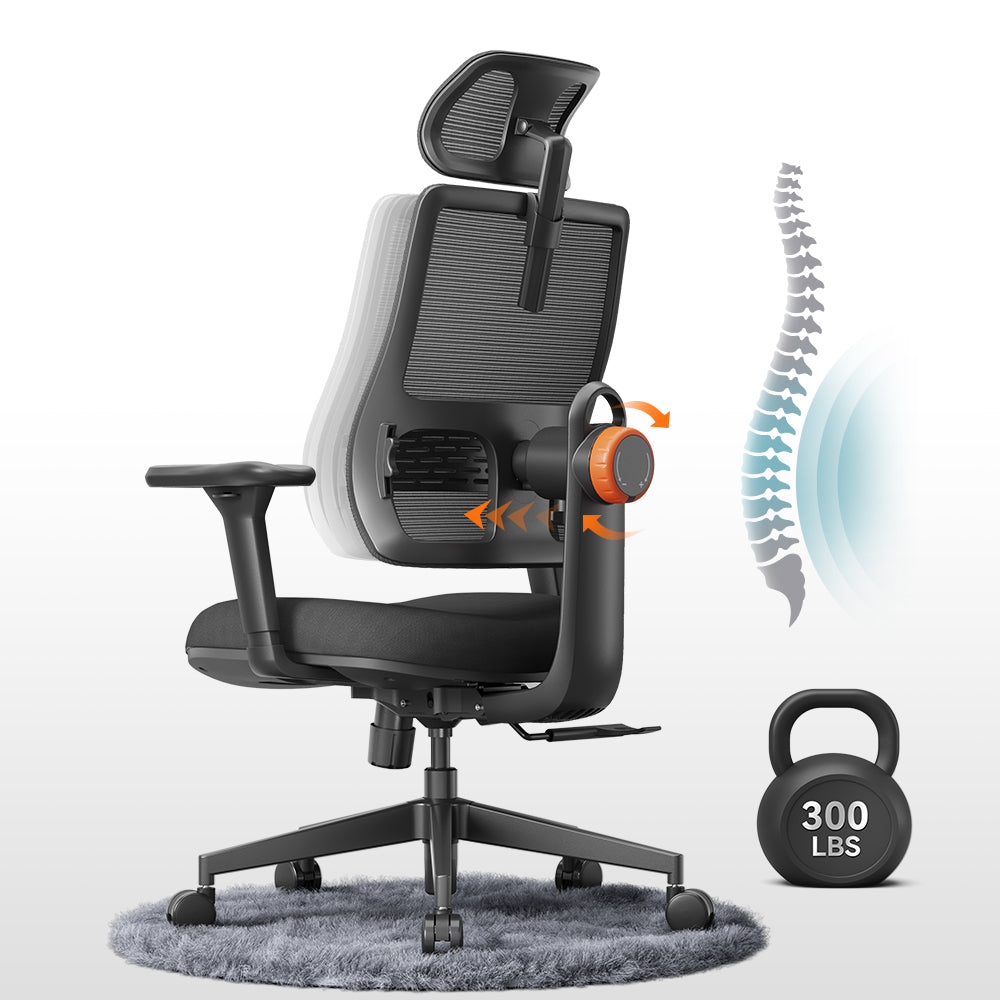
If you’re looking for a chair that hits all these marks, we highly recommend the Newtral NT002 Ergonomic Home Office Chair. It’s a game-changer because it features a unique auto-following lumbar support system that stays snug against your back even when you shift or lean. Plus, its high-density sponge seat cushion is specifically designed to distribute your weight evenly, so you can say goodbye to that flat, compressed feeling at the end of the day.

Tip 2: Sit With the "90-90-90" Rule
Good posture isn't just "sitting up straight." It’s a formula.
-
Your elbows should be at a 90-degree angle to your desk.
-
Your hips should be at a 90-degree angle in the chair.
-
Your knees should be at a 90-degree angle with your feet flat on the floor. If your feet are dangling or tucked under your chair, you're putting all the pressure directly on your glutes and tailbone.
Tip 3: Take "Movement Snacks" Every Hour
You don't need a 30-minute gym break to make a difference. Set a timer on your phone for every 50 minutes. When it goes off, stand up for just 2 minutes. Do 10 air squats or simply pace around while you're on a call. This "wakes up" the muscles and gets the blood flowing back into the tissue.
Tip 4: Add a Memory Foam or Gel Cushion
If your office chair is as hard as a rock, your glutes are being compressed against a flat surface all day. A contoured memory foam cushion or a honeycomb gel pad can be a total game-changer. They feature a "U-shaped" cutout that lets your tailbone "float," which takes the direct weight off your backside and helps maintain its natural shape.
Tip 5: Adjust Your Desk to Match Your Chair
Your chair and desk need to work together. If your desk is too high, you’ll find yourself sliding forward in your chair to type comfortably. This "perching" puts massive strain on your pelvic floor and glutes. Adjust your chair height first, then move your monitor so the top third of the screen is at eye level.
Tip 6: Try "Active Sitting"
You can actually work your butt while sitting down. Try glute squeezes: clench your butt muscles as hard as you can, hold for five seconds, and release. Repeat this 10 times. It’s a invisible workout you can do during a Zoom meeting without anyone knowing.
Tip 7: Do the "Figure-4" Stretch
When you take your break, try the Figure-4 stretch. While sitting, cross your right ankle over your left knee and gently lean forward. You’ll feel a deep stretch right in the middle of your glute. This releases the tension that builds up from sitting and helps prevent that "numb" feeling.
Tip 8: Switch to a Standing Desk Converter
You don't need to buy a whole new motorized desk. A desk converter (like a Varidesk) sits right on top of your current setup. Try to stand for 15 minutes for every hour you sit. Standing naturally engages your glutes and core, giving your backside a much-needed break from the pressure.
Tip 9: Use a Slanted Footrest
For many people (especially if you're on the shorter side), a chair at the "right" height means your feet don't quite touch the ground. A slanted, ergonomic footrest allows you to push back into your chair, which engages your legs and takes the "dead weight" off your butt.

Tip 10: Prioritize "Glute Days" at the Gym
You can’t completely undo 40 hours of sitting with just stretches. To really fight Office Chair Butt, you need to build the muscle back up. Incorporate weighted squats, lunges, and glute bridges into your weekly routine. Think of it as "armoring" your body against the effects of your desk job.
Final Thoughts
Saving your seat is all about consistency. You don't have to do all 10 of these things today. Start by checking your posture and maybe grabbing a better seat cushion. Once those become habits, try adding in the hourly movement. Your back (and your favorite pair of jeans) will thank you!
Frequently Asked Questions
1. Can I really "fix" a flat butt caused by sitting?
Yes! While sitting all day can make your glutes look a bit flatter due to muscle inactivity and compression, it isn’t permanent. By combining "glute-activation" exercises (like squats or bridges) with regular movement breaks, you can wake those muscles back up and regain your natural shape. It’s all about consistency.
2. How long should I stand at a standing desk each day?
You don't need to stand all day to see results. Most experts recommend a 1:1 or 2:1 ratio. For every hour you sit, try to stand for 30 to 60 minutes. If you’re just starting out, begin with 15 minutes of standing every hour and slowly work your way up as your legs get used to it.
3. Will a expensive ergonomic chair solve everything?
A great chair is a huge help, but it’s not a magic cure. Even the best chair in the world can’t fix the physical toll of staying still for eight hours. Think of a good chair as a tool that supports you while you move, stretch, and take breaks throughout the day.
4. Are there specific exercises I can do at my desk?
Absolutely. Aside from the "glute squeezes" mentioned above, you can try seated leg extensions (straightening your leg under your desk) or desk squats during a quick break. These small movements keep your blood flowing and prevent your muscles from "falling asleep" during long meetings.
More Reading: Are Ergonomic Office Chairs Worth It?





Leave a comment
All comments are moderated before being published.
This site is protected by hCaptcha and the hCaptcha Privacy Policy and Terms of Service apply.