
Table of Contents
In today office and home workspace, choosing the right office chair is no longer just about "having a place to sit"-it about balancing comfort, functionality, and adaptability to daily needs. Among the most popular options, mesh office chairs and foam office chairs stand out for their distinct designs and performance. But what exactly defines each type? How do they differ in use, and which one fits your needs best? This article breaks down their characteristics, contrasts key features, and helps you make an informed choice-with a final look at how the Newtral NT002 Foam Chair is redefining office seating.
What is a Mesh Office Chair?
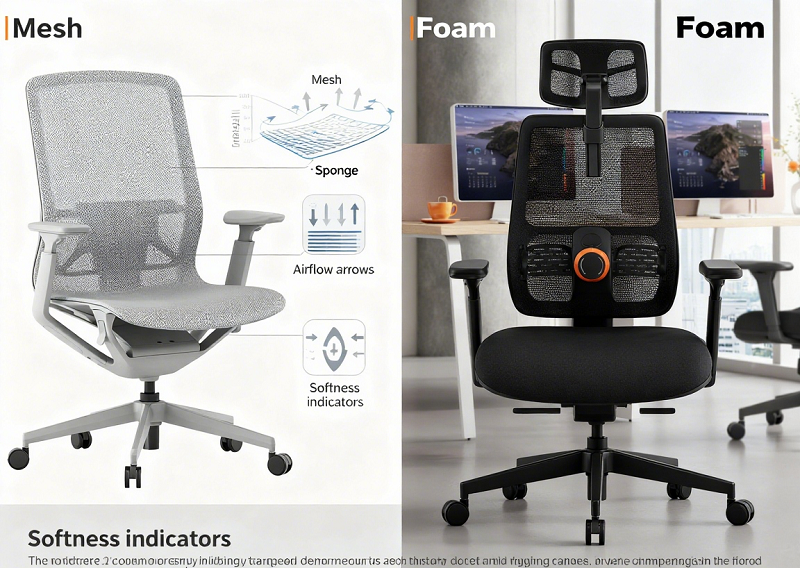
A mesh office chair is distinguished by its use of woven mesh material for the backrest (and often the seat), combining structural support with breathability. Unlike solid or padded alternatives, its design prioritizes airflow and flexibility, making it a staple in modern workspaces.
Core Definition and Application Scenarios
At its core, a mesh office chair uses a taut, woven mesh panel (typically nylon, polyester, or a blend) stretched over a frame to support the body. This design eliminates the "stuffy" feeling of traditional chairs, as the meshs porous structure allows air to circulate freely. Its functional focus makes it ideal for:
- Home offices and co-working spaces: Where users sit for 4-8 hours daily and need to avoid overheating.
- Open-plan corporate offices: Its minimalist design fits seamlessly into shared spaces without overwhelming the decor.
- Warm or humid climates: Where breathability becomes a critical factor in comfort.

Key Components
The performance of a mesh chair hinges on two key components: the mesh material and the supporting structure.
Mesh Material Classification
Not all mesh is the same-different materials dictate durability, elasticity, and feel:
- Nylon mesh: The most common type, known for high tensile strength and resistance to sagging. It retains elasticity even after years of use, making it suitable for heavy daily use.
- Polyester mesh: More affordable than nylon but slightly less durable. It tends to feel stiffer initially and may lose elasticity faster in direct sunlight.
- Nylon-polyester blended mesh: Combines nylon strength with polyester affordability. It balances durability and cost, a popular choice for mid-range chairs.
Supporting Structure
The frame and base of a mesh chair ensure stability without adding excess weight:
- Frames: Aluminum alloy frames are lightweight (reducing the chair overall weight to 5-8kg) and rust-resistant; steel frames offer maximum stability but add slight weight; high-strength plastic frames are budget-friendly but best for lighter users (under 70kg).
- Bases: Five-star bases (the most common) distribute weight evenly, while fixed bases are rare and limited to stationary use. Most five-star bases come with casters for easy movement on carpet or hardwood floors.
Common Design Features
Mesh chairs often share design traits that enhance their functionality:
- Open-back structure: Unlike enclosed chairs, the open design maximizes airflow and reduces visual bulk, making small workspaces feel more spacious.
- Adjustment options: Basic models offer seat height and backrest recline (usually 90°-110°), while mid-to-high-end models add lumbar support position adjustment to target lower back strain.
- Armless or detachable armrests: Many mesh chairs skip armrests to save space, though some offer detachable ones for users who need arm support during typing.
What is a Foam Office Chair?
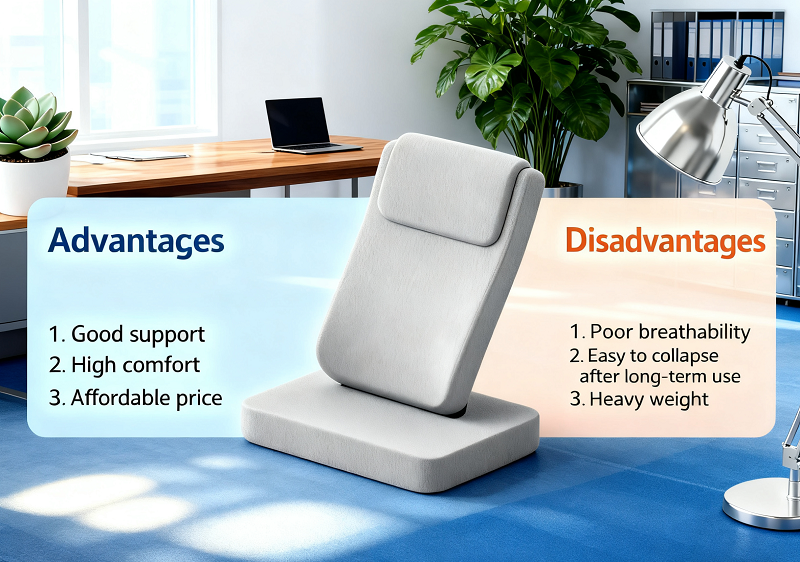
A foam office chair uses foam filling (instead of mesh) for the backrest and seat, often covered in fabric, leather, or faux leather. Its design prioritizes cushioning and coziness, making it a favorite for users who value "sink-in" comfort over maximum breathability.
Core Definition and Application Scenarios
Foam office chairs rely on foam ability to conform to the body shape, distributing weight evenly to reduce pressure points. The foam is typically encased in upholstery, creating a soft, supportive surface. It excels in scenarios where comfort and aesthetics take precedence:
- Executive offices and private workspaces: Where the chair serves as both a functional tool and a design statement.
- Cold or dry climates: Where foam heat-retaining properties keep users warm, unlike mesh cool touch.
- Casual work environments: Where users may lean back, cross legs, or shift postures frequently and need flexible support.
Key Components
The quality of a foam chair depends on its foam type and upholstery-both of which impact comfort and longevity.

Foam Material Classification
Foam density and type determine how soft, supportive, and durable the chair will be:
- Memory foam: Conforms closely to the body, ideal for users with back pain. It rebounds slowly (1-3 seconds) and retains heat, though "cooling memory foam" (infused with gel or graphite) mitigates this.
- Polyurethane foam: The most common type, with varying densities. Low-density foam (under 30kg/m³) is soft but sags quickly; high-density foam (over 40kg/m³) is firm, supportive, and lasts 5-7 years.
- High-resilience (HR) foam: The premium option, with rapid rebound (under 1 second) and excellent pressure distribution. It maintains shape even with heavy use, making it a top choice for executive chairs.
Upholstery and Supporting Structure
Upholstery adds both style and functionality, while the frame supports the foam weight:
- Upholstery materials:
- Fabric (linen, polyester): Soft to the touch, breathable (more so than leather), and available in patterns. It prone to staining but easy to clean with a fabric cleaner.
- Leather (genuine or faux): Luxurious and durable, with faux leather being more affordable. It easy to wipe clean but retains heat and can crack in dry conditions.
- Frames: Foam chairs require sturdier frames than mesh chairs (due to the foam weight), so steel or reinforced aluminum alloy frames are standard. This adds to the chair weight (8-12kg) but ensures stability for users up to 150kg.
Common Design Features
Foam chairs are designed for comfort and customization:
- Enclosed backrest: The foam-filled backrest fully supports the upper back and shoulders, with some models adding lumbar cushions for extra lower back support.
- Thick seat cushions: Seat cushions range from 5-15cm thick, with thicker cushions (10cm+) offering more "sink-in" comfort.
- Adjustment options: Beyond height and recline, many foam chairs add seat depth adjustment (to fit tall users) and armrest width/height adjustment (for arm support during long typing sessions).
Differences Between Mesh and Foam Office Chairs
While both chairs serve the same purpose-providing comfortable seating for work-their designs lead to key differences in texture, performance, and maintenance. The table below summarizes their core contrasts, with detailed explanations following.
|
Difference Category |
Mesh Office Chairs |
Foam Office Chairs |
|
Material Texture & Touch |
Woven, porous; cool to the touch |
Soft, dense; warm to the touch (varies by upholstery) |
|
Weight & Portability |
5-8kg; easy to move single-handedly |
8-12kg; requires more effort to rearrange |
|
Temperature Regulation |
Excellent airflow; dissipates heat quickly |
Retains heat; some have cooling gel infusions |
|
Noise Performance |
May squeak (mesh rubbing on frame) |
Quiet (foam absorbs friction) |
|
Maintenance Difficulty |
Easy to vacuum; risk of snags/tears |
Stain-prone (fabric); requires upholstery care |
|
Expected Lifespan |
5-8 years (nylon mesh); 3-5 years (polyester mesh) |
3-6 years (polyurethane foam); 5-7 years (HR foam) |
Material and Texture
The most noticeable difference is touch:
- Mesh chairs: The woven mesh feels cool and slightly rigid, with no "give" beyond its inherent elasticity. It ideal for users who dislike the "sticky" feeling of foam in warm weather.
- Foam chairs: The foam (covered in upholstery) feels soft and supportive, with a "cushioned" feel that conforms to the body. Fabric upholstery adds a cozy texture, while leather feels smooth and luxurious.
Structural and Weight Differences
Mesh chairs’ open design and lightweight frames (5-8kg) make them easy to move-even by one person. This is a boon for renters or users who rearrange their workspace often. Foam chairs, by contrast, are heavier (8-12kg) due to their foam filling and sturdier frames. Their enclosed design also takes up more visual space, making them less ideal for small cubicles.
Functional Performance
Two key functional differences stand out: temperature regulation and noise.
Temperature Regulation
Mesh chairs excel in warm environments: their porous structure allows air to flow through, preventing heat and sweat buildup. In a 25°C office, a user sitting on a mesh chair will feel up to 3°C cooler than on a foam chair after 1 hour. Foam chairs, however, retain heat-great for cold offices but uncomfortable in summer. Some foam chairs address this with gel-infused foam, which reduces heat retention by 20-30% but adds to the cost.
Noise Performance
Mesh chairs can develop squeaks over time, as the mesh rubs against the frame or loose joints. Tightening screws may temporarily fix this, but the noise often returns with heavy use. Foam chairs are nearly silent: the foam absorbs friction between moving parts, and the upholstery mutes any minor sounds from the frame.
Maintenance and Durability
Maintaining a mesh chair is straightforward but requires care:
- Cleaning: Vacuum the mesh weekly to remove dust from gaps; wipe spills with a damp cloth (avoid harsh detergents, which can weaken the mesh).
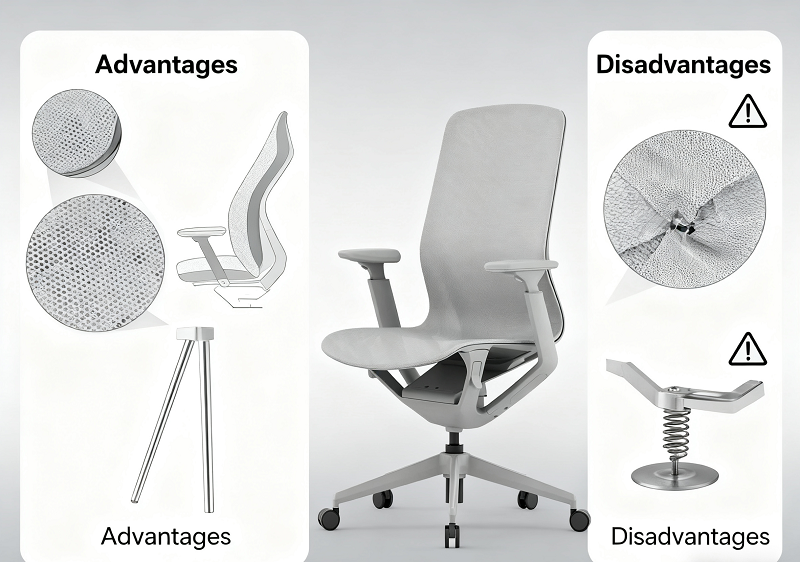
- Durability risks: Sharp objects (keys, pens) can snag the mesh, creating tears that are hard to repair. High-quality nylon mesh resists this, but polyester mesh is more prone to fraying.
Foam chairs need more targeted maintenance:
- Cleaning: Fabric upholstery requires stain remover for spills; leather needs monthly conditioning to prevent cracking. Unupholstered foam (rare) is hard to clean, as liquid soaks into the material and can cause mold.
-
Durability risks: Foam sags over time-low-density foam may sag in 1-2 years, while HR foam retains shape for 5-7 years. Upholstery can also wear: fabric pills, and leather cracks in dry conditions.
 $349.00 $509.00Coupon:
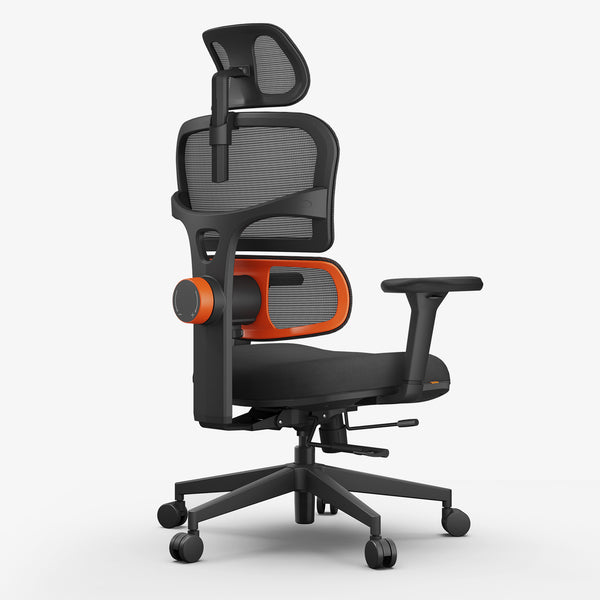
blog18Auto-following Lumbar SupportAdaptive Recline ComfortPersonalized Ergonomic FitEasy to use and best quality
 $499.00 $609.00Coupon:
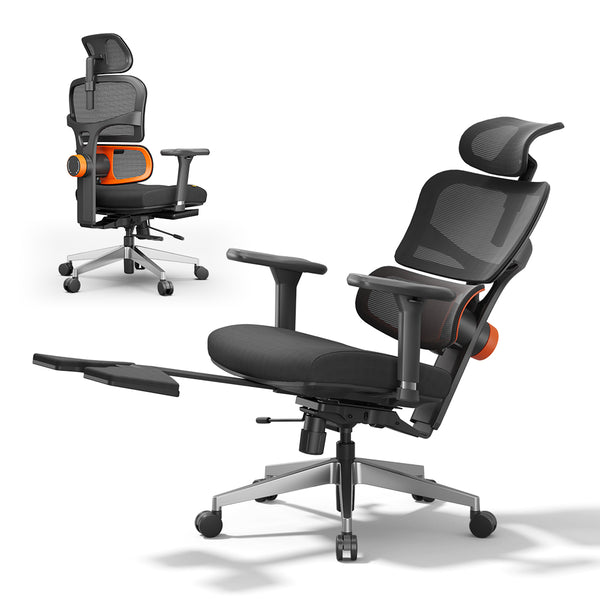
blog18Auto-tracking lumbar follows every shiftMultiple adjustment pointsCertified by ergonomist Iris Sokol
Is a Mesh Seat Better than Foam?
The answer depends on your priorities-there no "one-size-fits-all" choice. To decide, evaluate two key factors: support and scenario suitability.

Support Performance
Mesh seats offer rigid, consistent support: The taut mesh keeps the body in an upright posture, reducing slouching. This is ideal for users with lower back pain who need structured support. However, the rigid surface can create pressure points on the hips and thighs after 6+ hours, especially for users with broad hips.
Foam seats provide adaptive support: The foam conforms to the body shape, distributing weight evenly to eliminate pressure points. Memory foam is the best for this, as it molds to the hips and thighs. However, foam adaptability can encourage poor posture-users may slouch or lean too far back, leading to back strain over time.
Scenario Suitability
Your workspace and climate will also influence the choice:
- Hot/humid climates or stuffy offices: Mesh seats are better-their breathability prevents overheating. A user in Florida, for example, will likely find a mesh seat more comfortable than a foam seat in summer.
- Cold offices or winter use: Foam seats are preferable-they retain heat, keeping you warm without the need for extra blankets.
- Upright work postures (typing, writing): Mesh seats support upright positioning, making them ideal for focused work.
- Relaxed postures (video calls, reading): Foam seats adapt to leaning or cross-legged positions, offering more flexibility.
Which is Better for You?
To narrow down the choice, match the chair to your body type, work habits, and budget.
Body Type and Weight
- Light users (under 60kg): Both options work, but mesh chairs are lighter and easier to move.
- Average users (60-90kg): Mid-range mesh (nylon blend) or high-density foam chairs offer the best balance of support and durability.
- Heavy users (over 90kg): Foam chairs with HR foam and steel frames are better-they have higher weight capacities (120-150kg) than standard mesh chairs (100-120kg).
Work Habits
- Long-hour sitting (8+ hours): Choose a mid-to-high-end mesh chair (with lumbar adjustment) or a foam chair with HR foam-both reduce fatigue.
- Frequent posture changes: Foam chairs adapt better to leaning, crossing legs, or shifting positions.
- Pet owners or families with kids: Mesh chairs are more pet-resistant (hair doesn’t stick to mesh) and easier to clean than fabric foam chairs.
Budget
- Budget (under $200-300): Basic polyester mesh chairs or low-density foam chairs are affordable, but expect shorter lifespans (3-5 years).
- Mid-range ($300-400): Nylon mesh chairs with lumbar adjustment or high-density foam chairs offer good durability and comfort.
- Premium ($400+): High-end mesh chairs (with reinforced frames) or HR foam leather chairs provide long-term value (5-7 years) and luxury.
Conclusion: Newtral NT002 Foam Chair Changing Office Chairs
While mesh chairs excel in breathability, the Newtral NT002 Foam Chair demonstrates how foam chairs can address their traditional drawbacks redefining what a foam office chair can be.
Core Features of the Newtral NT002
The NT002 stands out for its foam quality and functional design:
- Foam material: It adopts one-piece molded foam (8–10cm thick) paired with high-resilience (HR) foam infused with cooling gel. The one-piece molding structure ensures the foam maintains its shape without sagging even after long hours of sitting, while the HR foam’s rapid rebound and cooling gel’s heat dissipation eliminate the "stuffy" feeling of traditional foam chairs—making it suitable for warm climates and all-day use.
- Upholstery: The chair is covered in stain-resistant polyester fabric that repels spills and resists pilling. It easy to clean with a damp cloth, addressing the maintenance issues of standard fabric foam chairs.
- Adjustments: It offers seat height, depth, and lumbar support intensity adjustments-rare for mid-range foam chairs. The lumbar support targets the lower back, reducing strain during long sits.
Further reading:



Leave a comment
All comments are moderated before being published.
This site is protected by hCaptcha and the hCaptcha Privacy Policy and Terms of Service apply.