

If you sit for hours every day: working, studying, or gaming, you’ve probably wondered: Is it better to have a firm or soft chair?
Soft chairs feel relaxing at first, but soon you’re sinking in, your shoulders round forward, and your lower back starts to ache. Firm chairs keep you upright, but sometimes feel too stiff. So which is truly better for your back and long-term health?
Let’s cut through the confusion. In this guide, I’ll compare firm vs. soft chairs using ergonomic science, real-world comfort testing, You’ll see why the ideal solution isn’t one extreme or the other, it’s balance.
And we’ll explore how the Ergonomic Office Chair delivers that balance through adaptive firmness, high-density foam, and dynamic lumbar support.

What “Firm” and “Soft” Really Mean
Before we talk comfort, let’s get technical. “Firm” and “soft” describe resistance, how much a chair pushes back when you sit. It’s determined by foam density, mesh tension, and structural design, not just by how cozy it feels.
|
Feature |
Firm Chair |
Soft Chair |
|
Foam Density |
2.8 PCF (45-55 kg/m³) high-density, supportive |
1.5-2.2 PCF (25-35 kg/m³) low-density, plush |
|
Immediate Feel |
Supportive, upright |
Sink-in, cushioned |
|
Long-Term Effect |
Keeps posture stable |
Encourages slouch |
|
Durability |
Retains shape for years |
Compresses within months |
|
Best Use |
Long work sessions |
Short, casual sitting |
A firm chair supports your pelvis and keeps your spine neutral.
A soft chair feels indulgent but lets you collapse inward.
The real secret lies in medium-firm ergonomic support, structured enough to hold you upright, but comfortable enough to reduce pressure.
Benefits and Drawbacks of Firm Chairs
Firm chairs focus on structure and support. They feel sturdy, promote alignment, and last longer, though they may take time to get used to.
Benefits:
- Keeps your spine upright and posture stable.
- Distributes weight evenly, reducing pressure points.
- Encourages small movements that improve circulation.
- High-density foam keeps its shape for years.
Drawbacks:
- Feels stiff at first and may create slight seat pressure.
- Needs proper contouring or adjustment for lighter users.
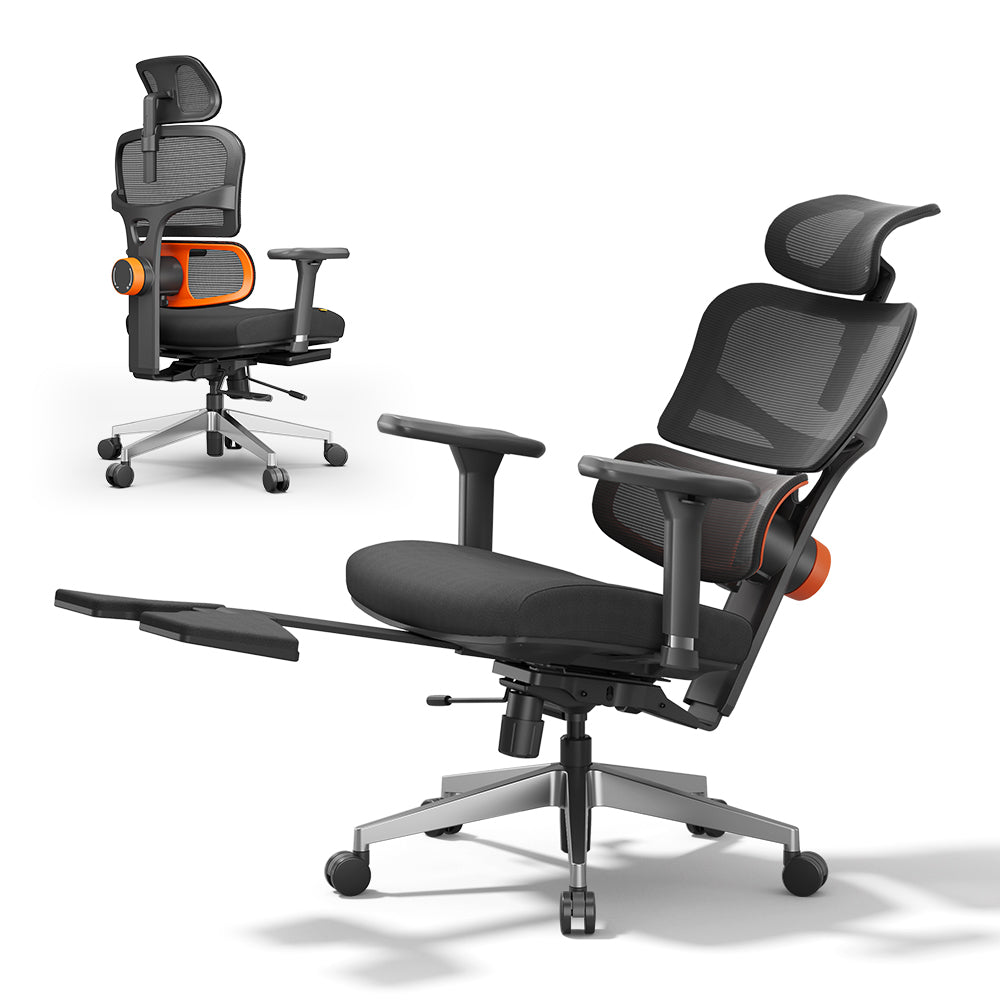
Firm chairs, especially Newtral NT002 Ergonomic Office Chair, offer long-term comfort once your body adapts.
Benefits and Drawbacks of Soft Chairs
Soft chairs feel instantly cozy like sitting on a cloud. But that same plush comfort can quickly turn into posture trouble.
Benefits:
- Feels relaxing at first and cushions pressure points.
- Creates a warm, inviting look and short-term comfort.
Drawbacks:
- Lets your hips sink and flattens the lower back curve.
- Causes muscle fatigue as your body fights to stay upright.
- Traps heat and loses shape fast as low-density foam compresses.
Great for short rests, but not ideal for long work or study sessions.

How Firmness Affects Your Spine
Chair firmness directly influences your spinal alignment and muscle engagement. Sitting properly means maintaining a neutral spine position, that gentle “S-curve” in your back.
A soft chair causes the pelvis to roll backward, flattening your lumbar curve. A too-hard chair tilts it forward, forcing your hips to bear the load. Both lead to fatigue and pain.
The Lumbar Curve and Pelvic Tilt
When you sit on a supportive surface, your pelvis stays upright and your lumbar region retains its inward curve.
On a soft seat, your hips sink and your lower spine flexes outward, the first step toward chronic pain and even disc compression.
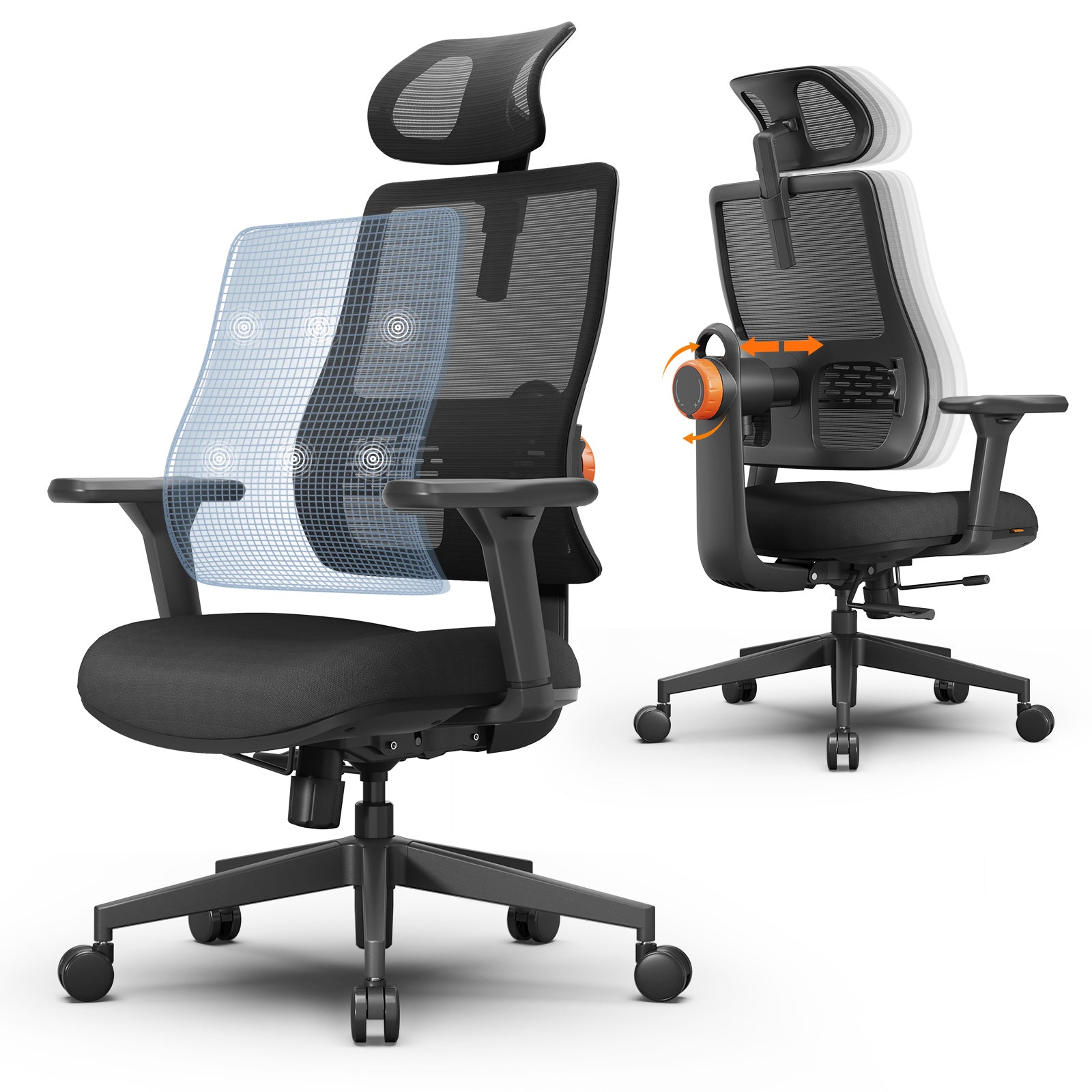
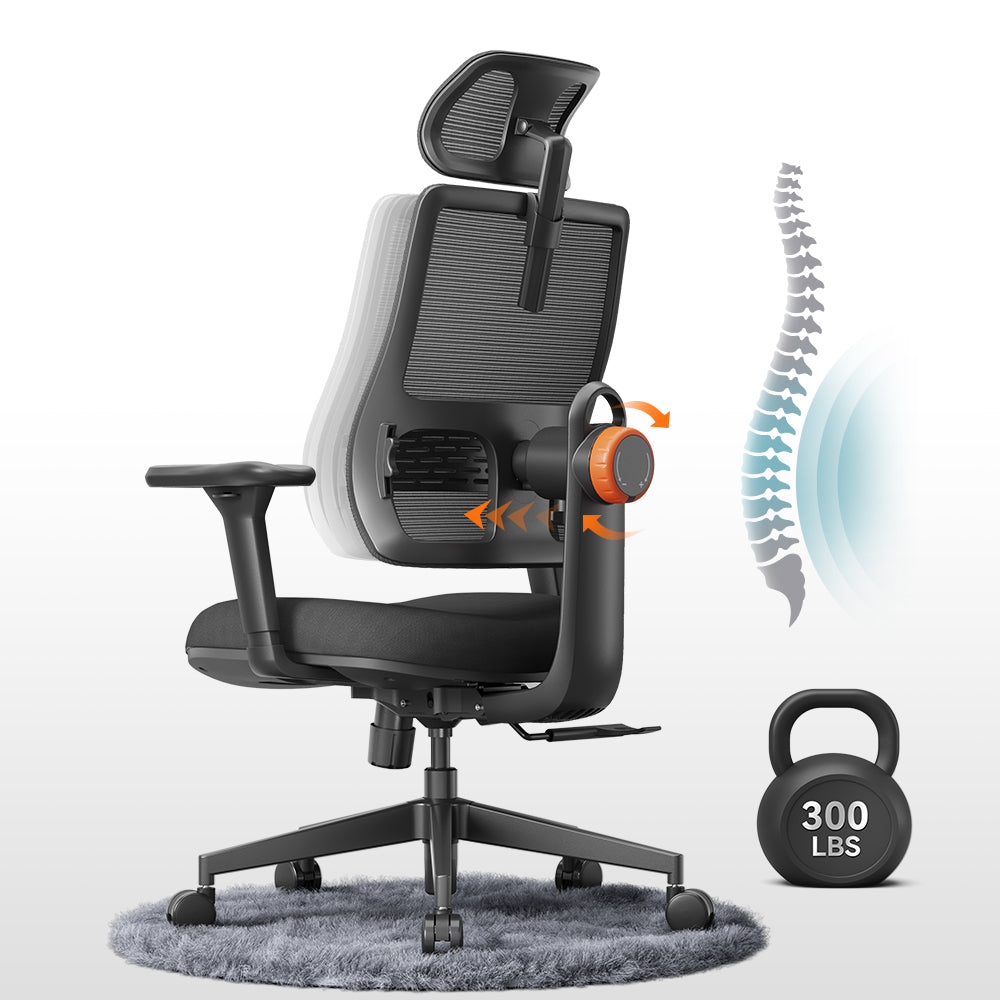
That’s why ergonomists recommend medium-firm, high-density foam and adjustable lumbar support, like the auto-tracking system in Newtral NT002, which adapts instantly to your spine’s curve.
Weight, Build, and Body Mechanics
Body weight changes how firmness feels.
Heavier users compress foam more; lighter users barely dent it. The same seat can feel soft for one person and rock-hard for another.
That’s why adjustability beats absolutes.
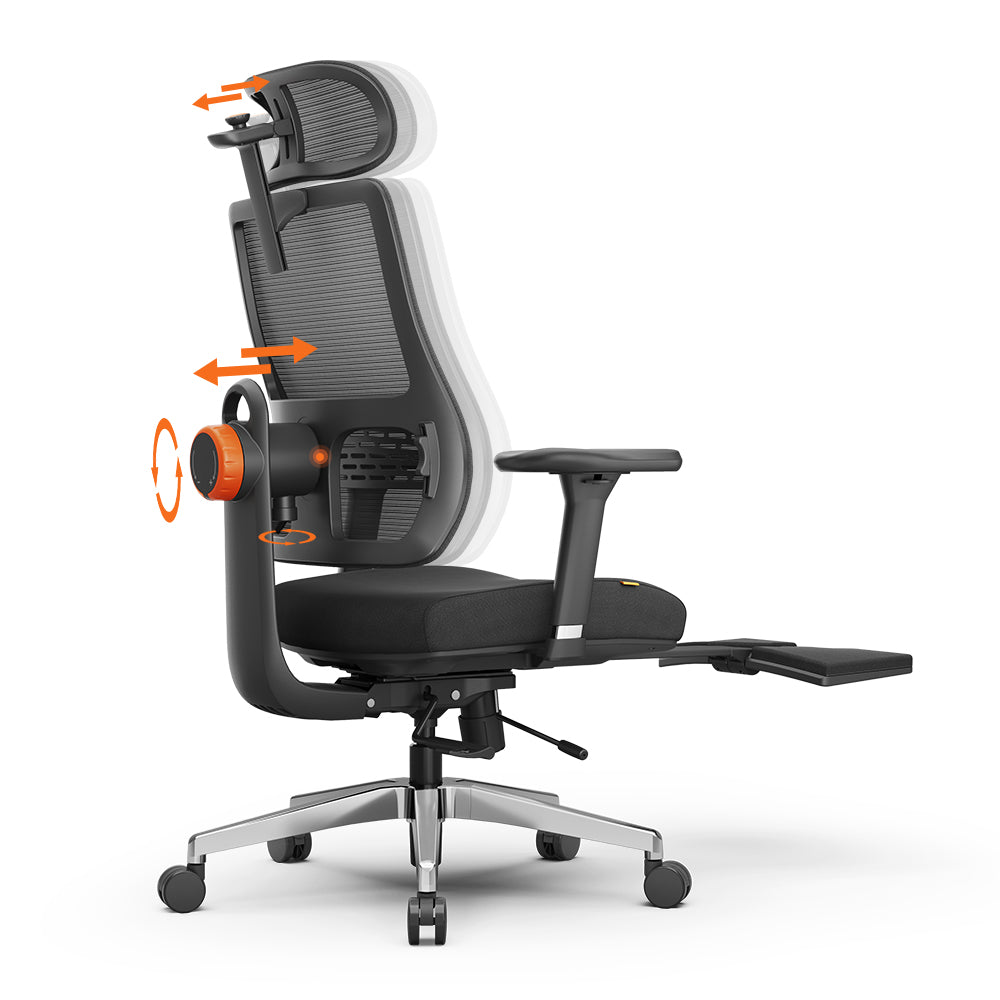
With the NT002’s seat-depth slider, back-tension control, and dynamic lumbar, each user dials in the firmness they need for lasting comfort.
Firm vs. Soft: Which Is Better for Back Pain?
Let’s settle this debate head-to-head.
|
Aspect |
Firm Chair |
Soft Chair |
Verdict |
|
Posture Support |
Holds the spine’s S-curve |
Causes pelvis to sink |
✅ Firm |
|
Immediate Comfort |
Feels structured |
Feels cozy at first |
⚖️ Depends on duration |
|
Long-Term Comfort |
Adapts as muscles relax |
Leads to fatigue |
✅ Firm (Medium) |
|
Heat Control |
Mesh or dense foam stays cool |
Plush leather traps heat |
✅ Firm |
|
Durability |
Keeps shape years longer |
Foam collapses fast |
✅ Firm |
Soft cushions feel great for the first 30 minutes, but as you “sit soft,” your body sags and your muscles strain to hold posture.
Firm seats, especially those made with high-density foam, spread pressure evenly and preserve spinal alignment for hours.
What Science and Experts Say
Harvard Health warns that excess softness encourages slouching, leading to neck and back tension.
Cornell CUErgo Lab confirms that medium firmness reduces spinal disc load.
Humanscale and DXRacer USA both recommend high-density foam (2.8 PCF and above) for consistent support and shape retention.
Studies also show that firm chairs promote micro-movement, those tiny posture shifts that keep blood flowing and prevent stiffness.
So, for anyone asking “Are soft chairs bad for your back?”, the evidence says yes, over time.
The Hidden Hero: Adjustability
Firmness isn’t fixed, it’s adjustable.
A truly ergonomic chair lets you fine-tune your experience: height, depth, tilt, and lumbar position all change how soft or firm your chair feels.
|
Adjustment |
Effect on Feel |
Why It Matters |
|
Seat Height |
Too low = softer feel / Too high = harder |
Keep knees level with hips for balance |
|
Seat Depth |
Too long = thigh pressure |
Maintain 2–3-finger gap behind knees |
|
Back-Tilt Tension |
Regulates recline firmness |
Keeps lumbar engaged as you move |
|
Lumbar Depth |
Adjusts spinal pressure |
Centers support on lower back |
The Newtral NT002 gives you all these controls plus a dynamic lumbar system that automatically adapts as you recline.
Instead of choosing firm or soft, you create your own comfort zone.
How to Test Your Chair Firmness
You can evaluate any chair support in two minutes:
Sit back with feet flat and knees at hip level.
Relax don’t force posture.
If you collapse or lose lumbar contact, it’s too soft.
If sit-bones or thighs ache, it’s too firm.
Adjust lumbar depth or seat height until your spine feels upright and relaxed.
Your goal: maintain a neutral spine position without effort.
The NT002 auto-tracking lumbar makes this easy by maintaining constant contact, no matter how you move.
Ergonomic Features That Matter More Than Firmness
Comfort doesn’t come from cushion softness alone. Real relief comes from smart ergonomics that support posture dynamically.

Seat Depth and Waterfall Edge
Proper seat depth (2–3 finger gap behind knees) prevents thigh compression.
A waterfall edge curved downward keeps blood flowing freely.
Lumbar Support
Static cushions miss the mark. Dynamic lumbar support follows your back’s movement, maintaining contact through recline and tilt.
Breathable Materials
Plush foam traps heat; mesh backrests dissipate it. The NT002’s ventilated mesh keeps you cool during long work sessions.
Material Durability
Low-density foam softens within months.
High-density molded foam, like Newtral’s, keeps its medium-firm resilience for years.
Who Needs What: Choosing by Lifestyle
Everyone sits differently: and how long, why, and where you sit all shape what firmness feels right for you. An accountant in back-to-back meetings, a gamer streaming for hours, and a rehab patient recovering from an injury all have different needs. The perfect ergonomic chair for you should match your daily rhythm, body type, and intensity of use. Here’s how to find your fit.
Long-Hour Office Workers and Students
You need consistent posture.
Choose medium-firm support, breathable mesh, and dynamic lumbar tracking.
Try: Magic H-BPRO Ergonomic Office Chair with Auto-following Lumbar Support.
Remote and Freelance Workers
Alternate between upright focus and relaxed modes.
Use adjustable tilt tension to vary firmness during the day.
Gamers
Avoid over-soft bucket seats that trap heat and restrict movement.
Go for firm foam, cooling mesh, and lumbar support that moves with you during recline.
Medical / Rehab / Therapy Users
Firm yet forgiving seats prevent sciatic or coccyx pressure.
The NT002’s waterfall edge and lumbar depth control are ideal here.
Enterprise & Call Centers
Select ANSI/BIFMA-certified medium-firm chairs with multiple adjustments to fit diverse employees and reduce injury claims.
Movement and Micro-Breaks
Even the most ergonomic chair can’t help if you stay still.
Our bodies are built to move, not to hold one posture for hours.
Every 30–45 minutes:
Stand up or walk a bit.
Stretch arms and shoulders.
Do a gentle chin-tuck to reset posture.
Firm, supportive chairs like the NT002 make these micro-movements natural, keeping circulation active and muscles relaxed.
Quick Add-Ons That Can Help
Until you upgrade, try these posture-friendly tweaks:
Lumbar Roll: Adds temporary lower-back support.
Seat Cushion: Medium-firm foam on soft chairs restores alignment.
Footrest: Keeps knees level and hips balanced.
Helpful, but remember nothing replaces a purpose-built ergonomic chair for real back-health benefits.
Final Verdict: Firm vs. Soft Is the Wrong Question
So, is it better to have a firm or soft chair?
Neither, it’s better to have a supportive, adjustable, medium-firm ergonomic chair that promotes posture and movement.
The Newtral Chair Store blends both worlds: firm high-density foam for structure, breathable mesh for comfort, and dynamic lumbar that moves with you.
|
Category |
Poor Setup |
Ideal Setup (Newtral Standard) |
|
Seat Firmness |
Too soft / too hard |
Medium-firm high-density foam |
|
Lumbar Support |
Fixed or absent |
Auto-tracking dynamic support |
|
Seat Edge |
Flat / sharp |
Waterfall edge for circulation |
|
Movement |
Static sitting |
Micro-breaks every 30 min |
|
Material |
Low-density foam |
Breathable mesh + molded foam |
|
Result |
Fatigue & pain |
Posture balance & endurance |
Your back doesn’t need softness — it needs smart support.
Sit firm, stay flexible, and keep moving.
FAQs
Q1: Are soft chairs bad for your back?
Yes, over time. Soft cushions let your hips sink, which strains your lower spine.
Q2: Is a firm chair better for posture?
Generally yes. A firmer, high-density seat supports your pelvis and helps maintain a neutral spine position.
Q3: What’s the “sit soft” meaning?
It means sinking into a cushion that offers little resistance, comfortable short-term, harmful long-term.
Q4: Can an ergonomic chair fix back pain?
It prevents and eases it by maintaining correct spinal alignment and reducing muscle fatigue.
Q5: How long should I sit before taking a break?
Every 30–60 minutes. Even the best ergonomic chair works best with movement.





Leave a comment
All comments are moderated before being published.
This site is protected by hCaptcha and the hCaptcha Privacy Policy and Terms of Service apply.