
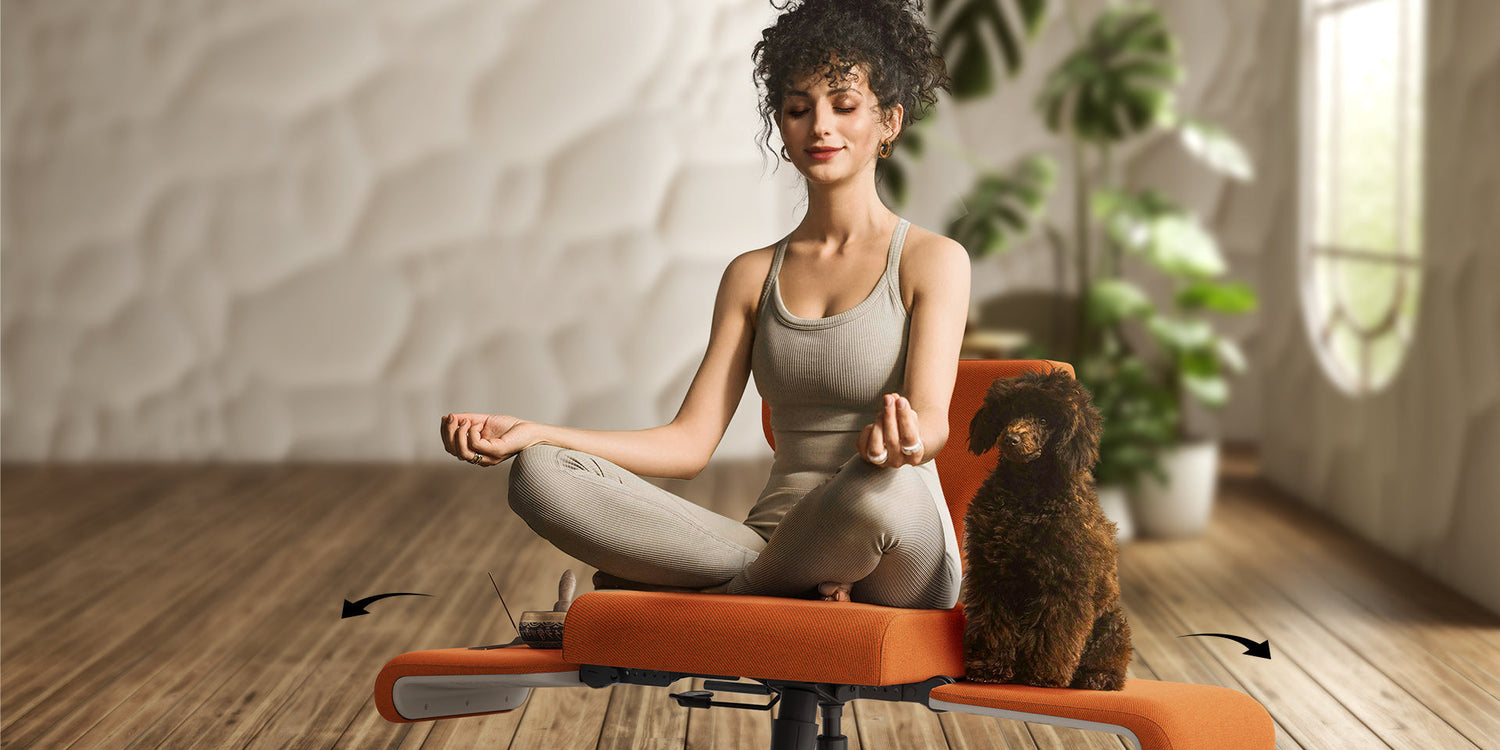
A good chair can make meditation feel steadier, calmer, and easier to maintain. When your body feels supported, your breath settles more naturally, your mind wanders less, and sitting for a little longer starts to feel realistic instead of difficult.
Meditation Sitting Position Matters
Meditation begins in the mind, but posture strongly shapes the experience. When your body is aligned well, you spend less energy managing tension. Your breath moves more freely, your muscles do less unnecessary work, and your attention has a better chance of staying where you want it.
Good alignment does not mean sitting rigidly. It means finding a balanced position where you can stay upright without strain. That balance matters because physical discomfort often turns into mental distraction. A tight neck, a collapsed lower back, or unsupported hips can pull you out of practice again and again.

How alignment affects focus
A stable sitting position helps your mind do less background work. Instead of constantly adjusting, bracing, or recovering from discomfort, you can put more attention on your breath, a mantra, or simple awareness.
When your feet feel grounded and your spine feels long, you often notice a shift. Breathing becomes smoother. The jaw softens. The shoulders stop creeping upward. Physical ease supports mental steadiness.
Common posture mistakes
A few habits tend to create problems quickly:
- Slumping through the lower back and chest
- Sitting too far forward without enough support
- Letting the feet dangle or slide
- Pulling the shoulders up while trying to sit tall
- Reaching the chin forward and tightening the neck
These mistakes do not mean you are meditating incorrectly. They usually mean your setup needs a small adjustment.
Chair vs. Floor for Meditation
Floor sitting works well for some people, but it is not automatically better. The best position is the one that lets you stay relaxed, alert, and consistent. If the floor creates pain, numbness, or constant fidgeting, it is no longer helping your practice.
When floor sitting is not ideal
Floor meditation may work against you if:
- Your hips are tight and your knees stay high
- Your lower back rounds easily
- Your ankles or knees feel compressed
- You spend most of your day in chairs and do not tolerate floor postures well
- You lose focus because discomfort takes over
For many beginners, the floor looks more traditional than it feels functional. There is little value in forcing a position your body cannot hold with ease.
Why a chair can be the better choice
A chair gives you a more accessible way to build a steady practice. It can reduce stress on the hips, knees, and ankles while making it easier to keep the pelvis and spine in a neutral position. That makes chair meditation a practical option for beginners, office workers, older adults, and anyone with limited mobility or back sensitivity.
It can also work well for experienced meditators. A supportive seat allows longer sessions without unnecessary collapse or strain, and that matters far more than appearance.
|
Option |
Best For |
Main Benefits |
Common Challenges |
|
Floor sitting |
People with good hip mobility and comfort in seated floor postures |
Feels traditional, can create a grounded meditation experience, works well for some long-term practitioners |
Tight hips, knee pressure, ankle discomfort, rounded lower back, frequent fidgeting |
|
Chair sitting |
Beginners, office workers, older adults, and anyone with limited mobility or back sensitivity |
Easier spinal support, less pressure on hips and knees, more accessible for daily practice, often easier to sustain |
Poor chair setup can still lead to slumping, neck tension, or unsupported feet |

How to Sit in a Chair for Meditation?
The goal is simple: grounded feet, a balanced pelvis, a long spine, and a soft upper body. You want enough structure to stay alert and enough ease to stay relaxed.
Feet flat and grounded
Place both feet flat on the floor, about hip-width apart. Let the soles make real contact with the ground. This creates a stable base and helps the rest of the body settle.
If your feet do not reach comfortably, use a footrest or a firm cushion underneath them. Avoid letting the legs hang, because that often creates tension in the hips and lower back.
Pelvis and lower back alignment
Sit on your sit bones instead of rolling back onto your tailbone. This small change makes a big difference. When the pelvis tips too far backward, the lower spine collapses and the chest caves in. When the pelvis is more neutral, the whole torso can rise more naturally.
You do not need to exaggerate the curve in your lower back. Aim for gentle support, not a forced posture.
Spine and shoulders
Let the spine lengthen upward without becoming stiff. Think about lifting through the crown of the head while keeping the ribs relaxed. Your shoulders should rest down and slightly back, not be pulled into place.
If you feel like you are posing instead of sitting, soften. A good meditation posture feels steady, not dramatic.
Hands and arms
Rest your hands in a way that keeps the shoulders quiet. You can place them on your thighs, in your lap, or lightly on the chair arms if that helps reduce effort. The key is to keep the elbows and wrists relaxed.
If armrests push your shoulders upward or outward, they are not helping. In that case, resting your hands on your legs is often the better option.
Head and neck position
Bring your head over your spine instead of jutting it forward. Let the chin drop slightly so the back of the neck stays long. Keep the face soft and the jaw unclenched.
A balanced head position often improves breathing and reduces upper-body fatigue, especially during longer sessions.
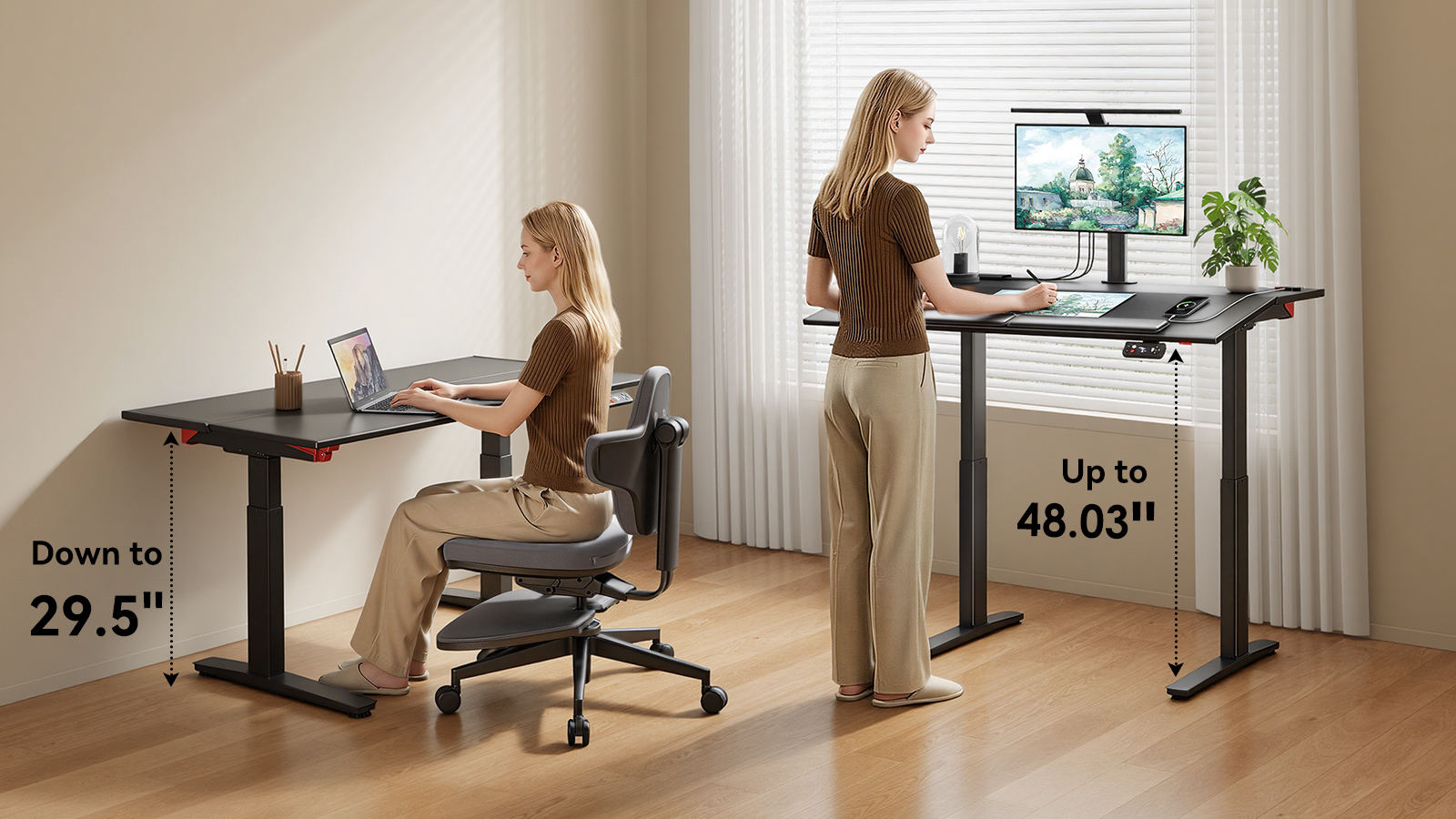
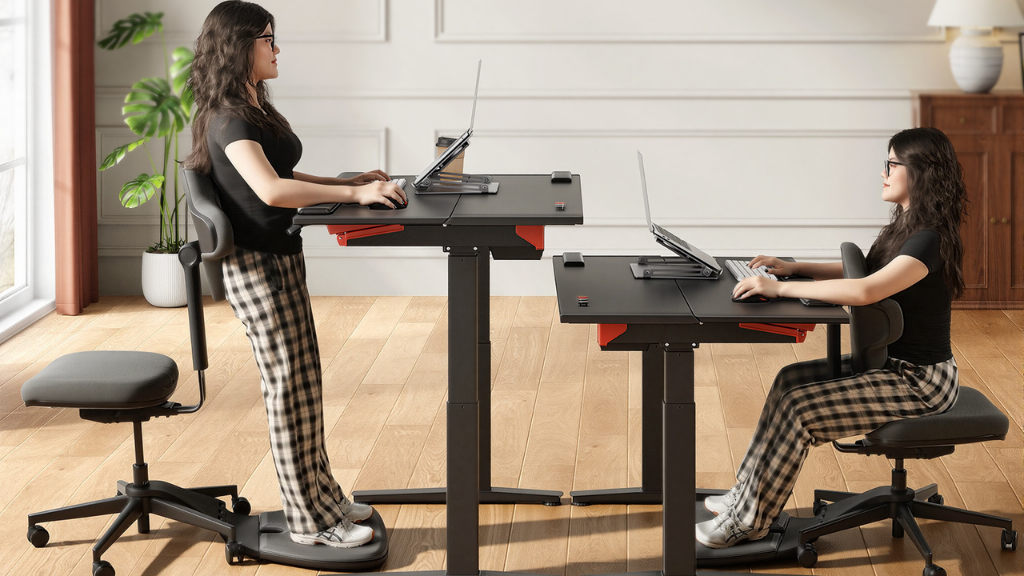
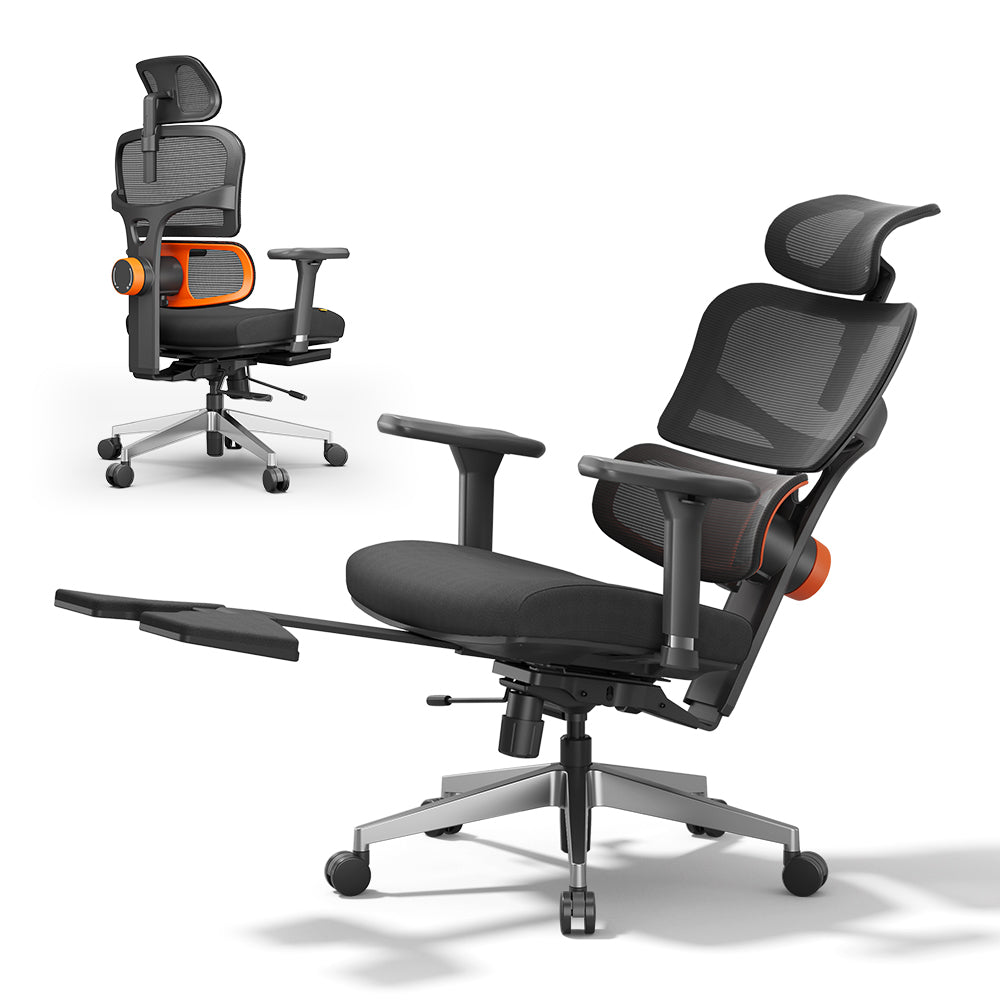
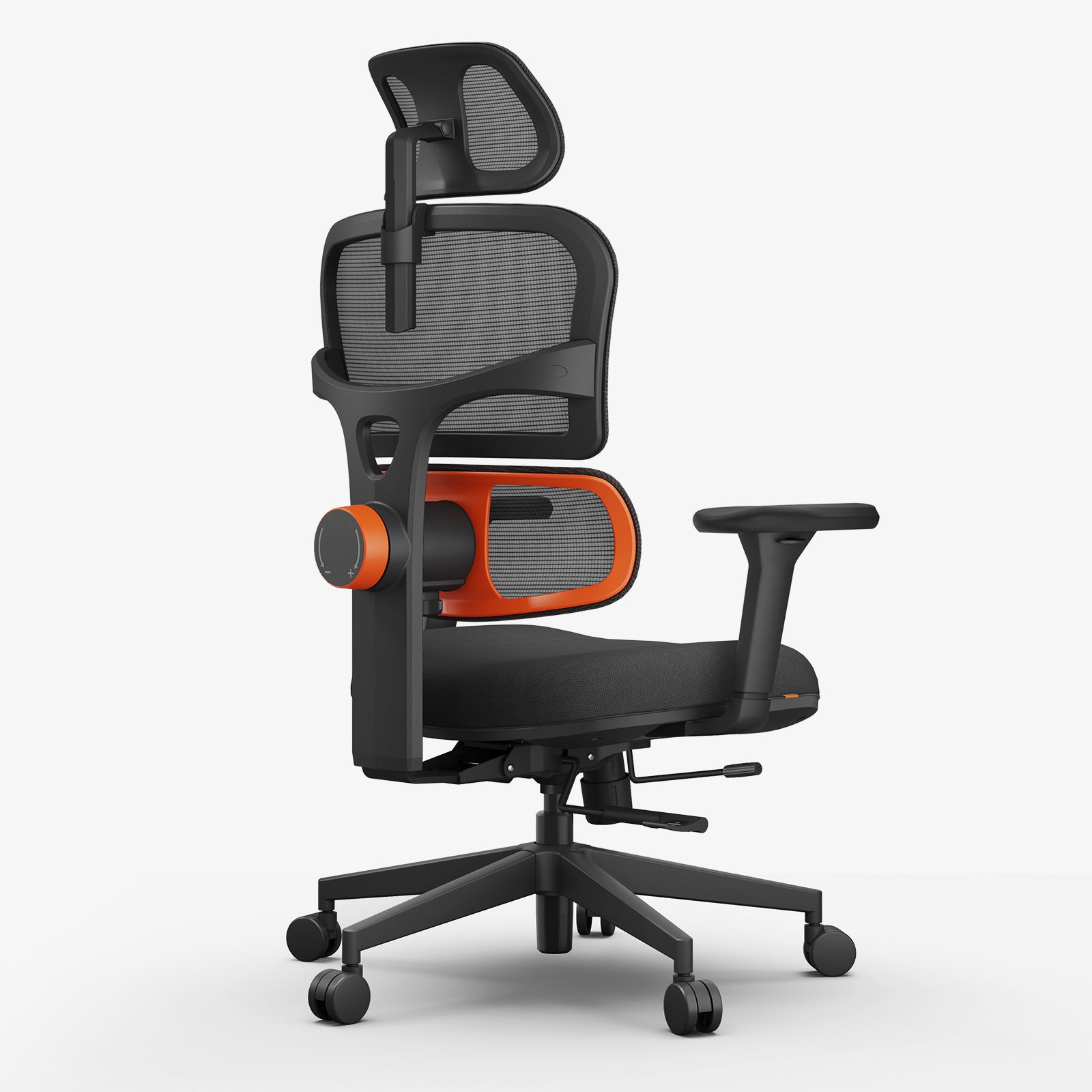
A chair with the right support can make all of these posture cues easier to maintain. The Newtral Freedom-X Multi-Posture Pro Chair with Armrest suits this kind of seated meditation well because it supports upright sitting, gives the body more room to settle, and helps reduce the strain that often builds in the lower back, shoulders, and hips during longer sessions.
How to Set Up Your Chair?
Even good posture becomes hard to maintain if the chair works against your body. A few setup details can make a noticeable difference in comfort and stability.
Seat height
Choose a height that lets your feet rest flat and your knees bend comfortably. In most cases, your thighs should be close to parallel with the floor, or slightly angled downward if that feels better in your hips.
If the seat is too high, you may feel pressure behind the thighs. If it is too low, the hips can tuck under and pull the spine into a slump.
Seat depth and width
Seat depth matters more than many people expect. You want enough room to sit fully supported without the front edge pressing into the backs of your knees. A little space between the seat edge and your calves usually feels best.
Width also matters, especially if you like to shift posture or occasionally fold one leg. A cramped seat makes stillness harder because your body keeps negotiating for space.
Back support and lumbar support
Some people meditate best without leaning on the backrest. Others do better with gentle support, especially during longer sessions or when the back gets tired. Both approaches can work.
Lumbar support helps when it follows the natural curve of the lower back without pushing you too far forward. It should feel subtle, not aggressive. If your chair has adjustable support, use it to assist upright sitting rather than lock you into stiffness.
When to use a cushion or footrest
Use props when they solve a real problem. A folded towel or cushion can help tip the pelvis slightly forward. A footrest can stabilize the legs if the seat is too high. A small lumbar cushion may help if the backrest feels too flat.
Props should reduce effort, not complicate the setup. If one simple change helps you breathe more freely and sit more quietly, it is doing its job.
Can You Sit Cross Legged in a Chair?
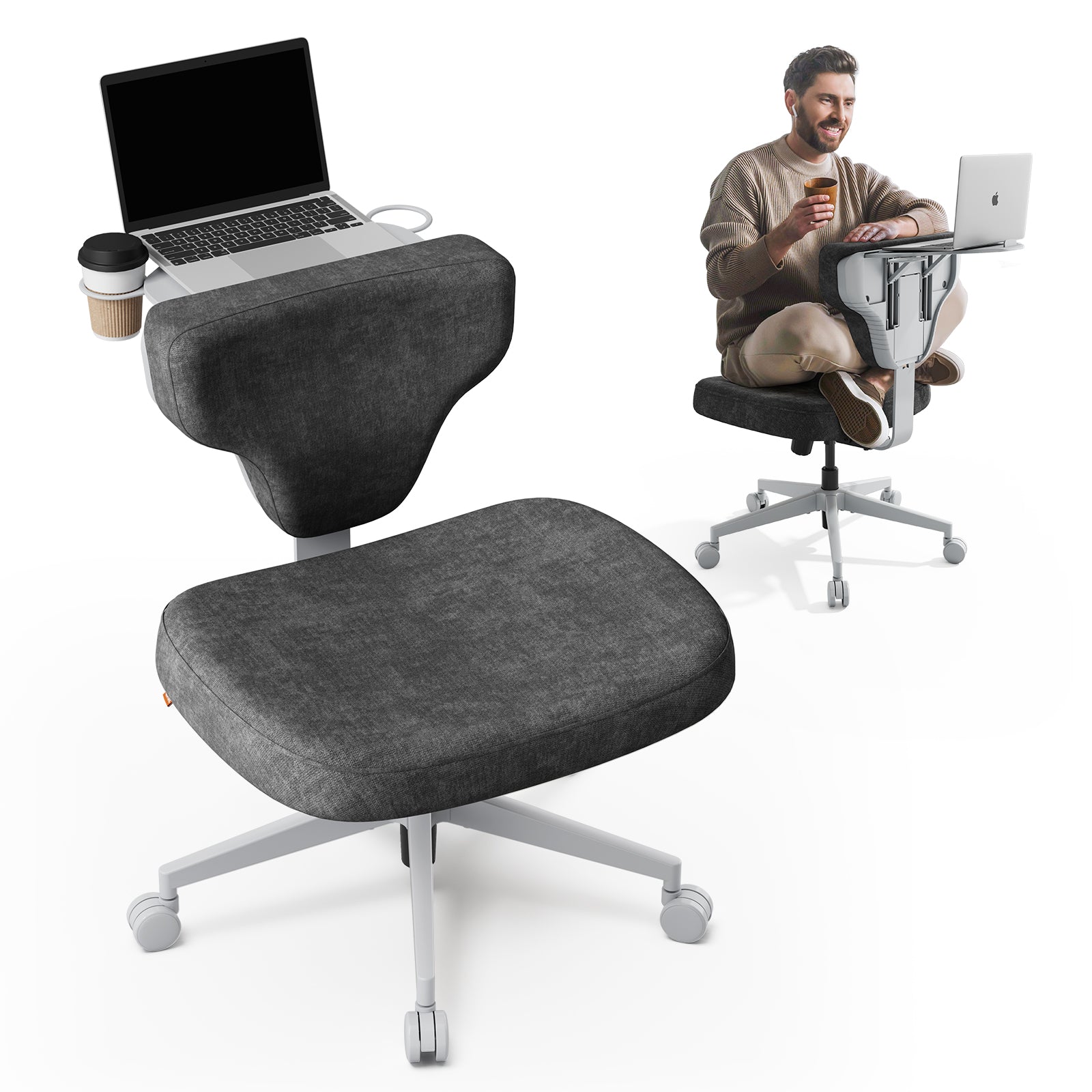
You can, but it depends on your body, your chair, and the length of the session. Sitting cross-legged in a chair may feel natural and calming for some people, especially during shorter or more relaxed practice. It usually works best when the seat is wide enough and the hips can tolerate the position without strain.
When this position can work
This position may work well for shorter sessions, informal mindfulness practice, or people who naturally like sitting with one or both legs folded. It can feel more relaxed than keeping both feet on the floor, especially in a wider seat.
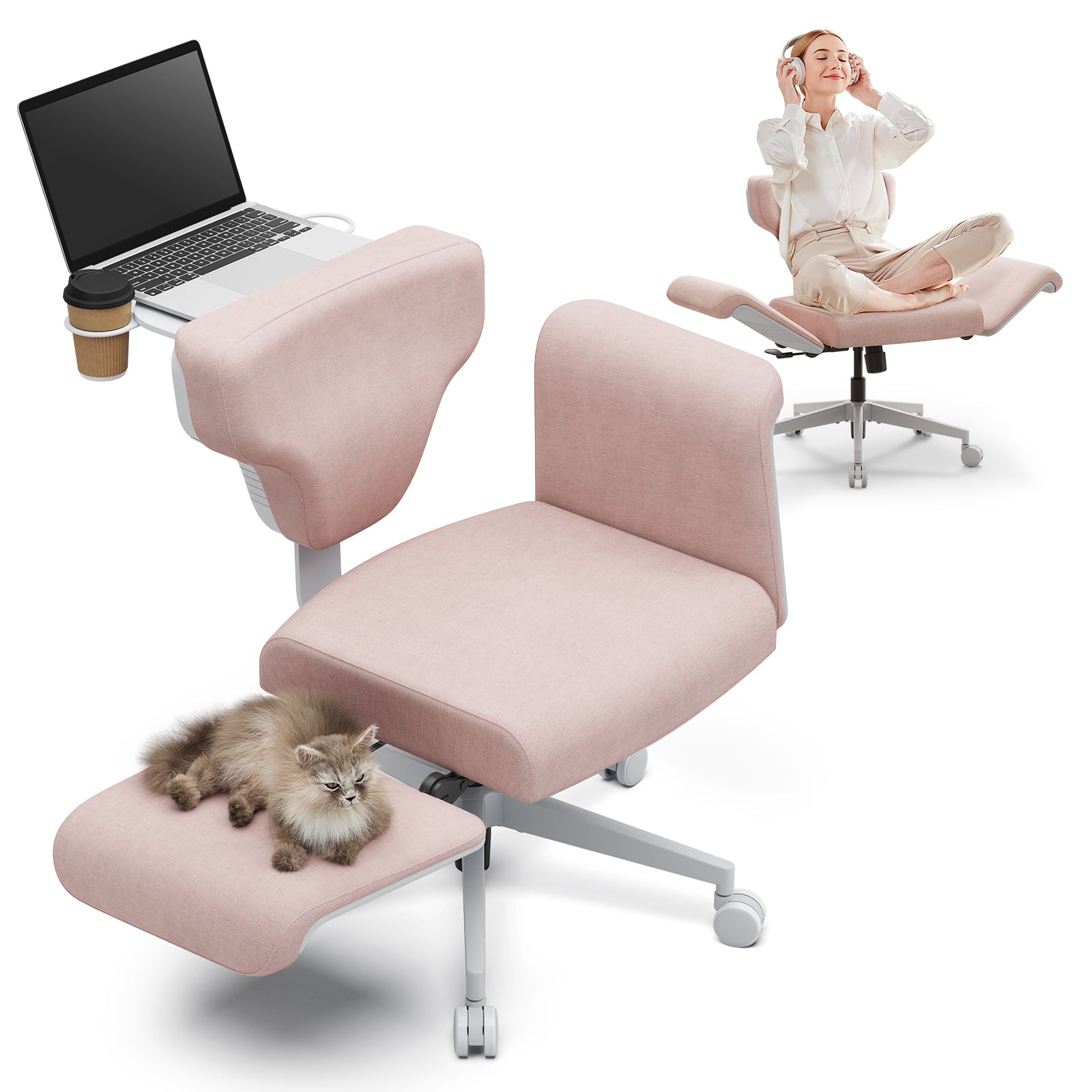
A armless meditation chair with a broader cushion gives this position far more room and stability than a narrow office chair. The extra seat width makes it easier to sit cross-legged without feeling cramped, while the more open surface supports natural posture changes during shorter or more relaxed meditation sessions.
Risks of staying too long
Cross-legged sitting in a chair is not ideal for everyone. Staying there too long may create pressure in the hips, knees, or ankles. It can also lead to asymmetry if you always fold the same leg on top or lean to one side.
Pay attention to numbness, pulling, or uneven weight. Those signs usually mean it is time to switch positions.
What kind of chair supports it best
Look for a wider seat, a stable base, and enough room to change positions without feeling boxed in. A chair without armrests may also feel easier for this posture because it gives your legs more space.
The position should feel supported, not improvised. If you have to twist, perch, or keep readjusting, the chair is not a good match.
Best Chair Features for Meditation
The best chair for meditation is not necessarily the most technical one. It is the one that supports upright stillness, easy breathing, and small adjustments when your body needs them.
Stability and adjustability
A stable base helps you feel secure, especially when you are trying to settle your attention. Adjustability matters because one fixed setup rarely suits every body. Seat height, back angle, and support settings can all affect how long you can sit comfortably.
If you want a more supportive option for upright practice, a meditation chair with back support can make longer sessions feel more manageable.
Support for upright sitting
Upright sitting should feel assisted, not forced. A good chair helps you stay balanced through the pelvis and lower back so the upper body can relax. This is especially useful if you meditate before work, after work, or during breaks when fatigue already affects posture.
The right support reduces extra tension while still allowing the body to feel awake.
Features that improve comfort in longer sessions
A few features tend to help most:
- Adjustable height for better foot grounding
- A seat shape that does not crowd the hips
- Gentle back support for fatigue management
- Enough room to shift without losing stability
In meditation, useful comfort usually comes from balance, space, and support rather than softness alone.
Newtral Freedom X for Meditation and Mindful Sitting
A supportive chair can make meditation feel steadier, more comfortable, and easier to maintain over time. The Newtral Freedom-X Multi-Posture Pro Chair with Armrest fits this kind of use well because it supports more than one sitting style instead of forcing a single fixed posture.
Why adjustability matters for meditation
Meditation is not one-size-fits-all. Some sessions feel better with a more upright position, while others call for slightly more support through the back and hips. A chair with adjustable features makes it easier to settle into a posture that feels stable, calm, and sustainable.
How back support helps reduce tension
Back support does not make meditation passive. Used well, it reduces the extra muscular effort that often leads to shoulder tension, shallow breathing, and lower back fatigue. That kind of support can make longer sessions feel more manageable while still encouraging an alert posture.
Who this chair may suit best
The Newtral Freedom-X Pro may suit people who meditate at home, work from a desk, or like to alternate between upright sitting and more relaxed mindful activities. For readers who want to compare more options, the cross legged chair collection offers a broader look at home-friendly styles in the same range.
Conclusion
Learning to sit well matters more than forcing a traditional posture. A chair can support calm, focused meditation when it fits your body and your space. Start with grounded feet, a balanced pelvis, and gentle spinal lift, then adjust your setup until stillness feels natural.
FAQs
Can I meditate in an office chair?
Yes, as long as the chair lets you sit with stable feet, a balanced pelvis, and a relaxed upper body. If it reclines too easily or encourages slumping, adjust it first or sit slightly forward.
Should my feet stay flat on the floor?
In most cases, yes. Flat feet help create a steady base and support better overall alignment. If the floor feels too far away, use a footrest so the legs can relax properly.
Is it okay to sit cross legged in a chair?
Yes, if the position feels comfortable and does not create strain in the hips, knees, or ankles. A wider seat usually works better than a narrow one, especially for longer sessions.
How long should I meditate in a chair?
Start with five to ten minutes if you are new to the practice. Once your posture feels easier to maintain, increase the time gradually. Comfort, consistency, and quality of attention matter more than forcing a long session.
More reading: Pet Office Chair Guide








Laisser un commentaire
Tous les commentaires sont modérés avant d'être publiés.
Ce site est protégé par hCaptcha, et la Politique de confidentialité et les Conditions de service de hCaptcha s’appliquent.