
Table of Contents
A leg that keeps bouncing. The urge to stand up partway through a meeting. A restless energy that is hard to switch off, even when you want to. For many adults with ADHD, this is a familiar part of daily life, and easy to misread. From the outside it can look like rudeness, distraction, or laziness. More often, it is the brain looking for the stimulation it needs to stay alert and engaged.
This guide looks at what ADHD restlessness actually feels like, why the body refuses to stay still, and how to channel that energy so it works for your focus rather than against it.
What It Feels Like
Restlessness in ADHD is more than being fidgety. It shows up in the body, in the mind, and in a near constant pull toward movement.
Physical restlessness
This is the part other people notice first: tapping feet, a bouncing knee, a clicking pen, standing up halfway through dinner, pacing during a phone call. Holding still for long stretches can feel genuinely uncomfortable, almost like an itch you cannot reach. By the end of a seated day, it is common to feel wired and exhausted at the same time.
Mental restlessness
Even when the body is still, the mind often is not. Thoughts jump from one topic to the next, boredom arrives fast, and quiet moments can be surprisingly hard to sit with. This inner restlessness is easy to hide, which is one reason so many adults are diagnosed late. On the outside they look calm, while on the inside the engine keeps running.
The urge to move
Movement tends to bring relief. Standing, walking, or stretching can quiet the noise and make thinking easier. This is the key idea to hold onto: the urge to move is not the enemy of focus. For many people with ADHD, it is part of how focus happens in the first place.

Restless or Just Lazy?
The laziness label is the most damaging myth attached to ADHD, and it is worth taking apart carefully.
Mislabeled as lazy
Many adults with ADHD grew up hearing that they simply were not trying hard enough. Teachers, managers, and family saw inconsistent results and reached for the easiest explanation. Over time the label sticks, and many people start to believe it about themselves. The outcome is a heavy layer of shame on top of an already tiring condition.
What is really going on
Laziness implies that someone does not care and chooses to do nothing. That is rarely the case here. Most adults with ADHD care deeply, often to the point of stress, yet still struggle to start or finish. The gap is not a matter of willpower but of how the brain manages attention, motivation, and follow through. The effort is real. The output simply does not always match it, and that mismatch is where much of the frustration comes from.
Signs it is not laziness
A few patterns help separate ADHD restlessness from genuine indifference. If you recognize yourself in the right-hand column, the problem was never a lack of effort.
|
What it looks like from the outside |
What is actually happening |
|
Putting off a simple task for days |
The task lacks urgency or interest, so the brain cannot generate enough drive to start |
|
Getting up again and again while working |
The body is seeking stimulation to stay alert and engaged |
|
Strong output in short bursts, then nothing |
Performance rides on interest and stimulation, not on effort alone |
|
Freezing despite a long to-do list |
Task paralysis from feeling overwhelmed, not a lack of caring |

Why You Cannot Sit Still
Restlessness makes far more sense once you look at how the ADHD brain manages stimulation and alertness.
Understimulation and movement
The ADHD brain tends to seek stimulation. When a task is dull or repetitive, alertness drops quickly, and the body steps in to compensate. Tapping, rocking, and getting up are small ways of feeding stimulation back into the system so you can stay awake and engaged. Movement, in other words, is a form of self regulation rather than a failure to behave.
Arousal and the ADHD brain
Researchers often describe ADHD partly in terms of arousal, meaning how alert and engaged the brain is at any given moment. During low-interest tasks, people with ADHD frequently sit below their ideal level of arousal, which feels like fog, boredom, or sudden sleepiness. Movement and novelty help nudge that level back up. Hyperactivity and impulsivity, the symptom domain that includes restlessness, is one of two areas defined in the official ADHD diagnostic criteria, so this is a recognized feature of the condition rather than a personal quirk.
When stillness backfires
Forcing yourself to stay perfectly still can make focus worse, not better. Suppressing the urge to move takes mental effort, and that effort competes with whatever you are trying to concentrate on. This is why many adults find they listen, remember, and think more clearly when they are allowed some motion.

Work With the Urge to Move
Once restlessness stops being a flaw to eliminate, it becomes something you can use. The aim is to give the body the movement it wants in ways that support attention instead of hijacking it.
Blog18
Movement into your day
Build small doses of movement into the day on purpose:
- A short walk between tasks
- A few stretches at your desk
- A lap around the building, or the stairs instead of the lift
- Taking a call or talking through an idea while on the move
Think of these as movement snacks spread across the day rather than one long workout you may never get around to.
Fidget on purpose
Fidgeting has a bad reputation, but the right kind keeps you present. A quiet fidget tool, doodling in a notebook, or chewing gum gives the hands and body a small outlet so the mind can stay on the task or conversation. The trick is choosing a fidget that runs in the background instead of pulling attention away.
Active sitting options
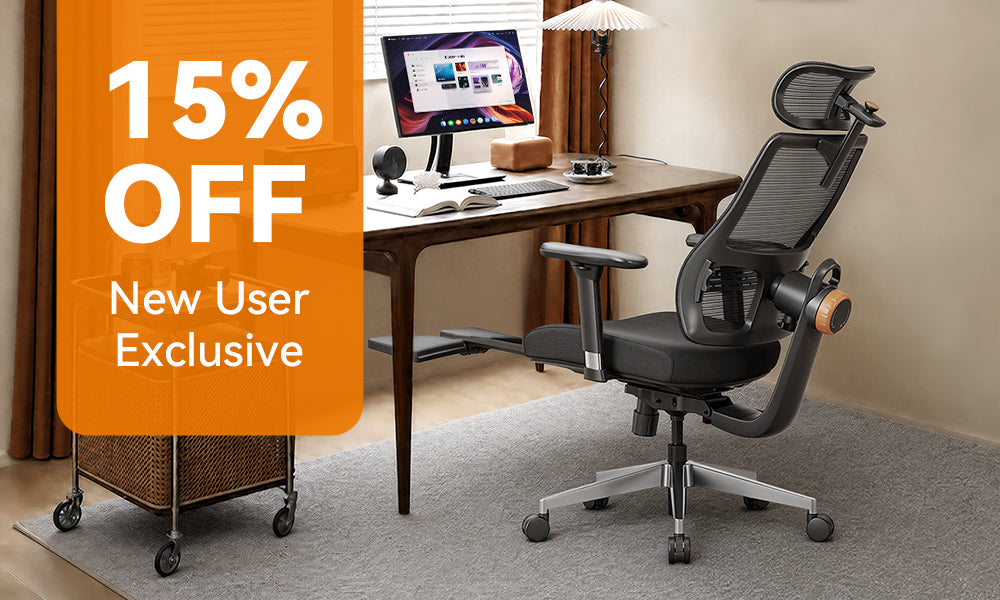
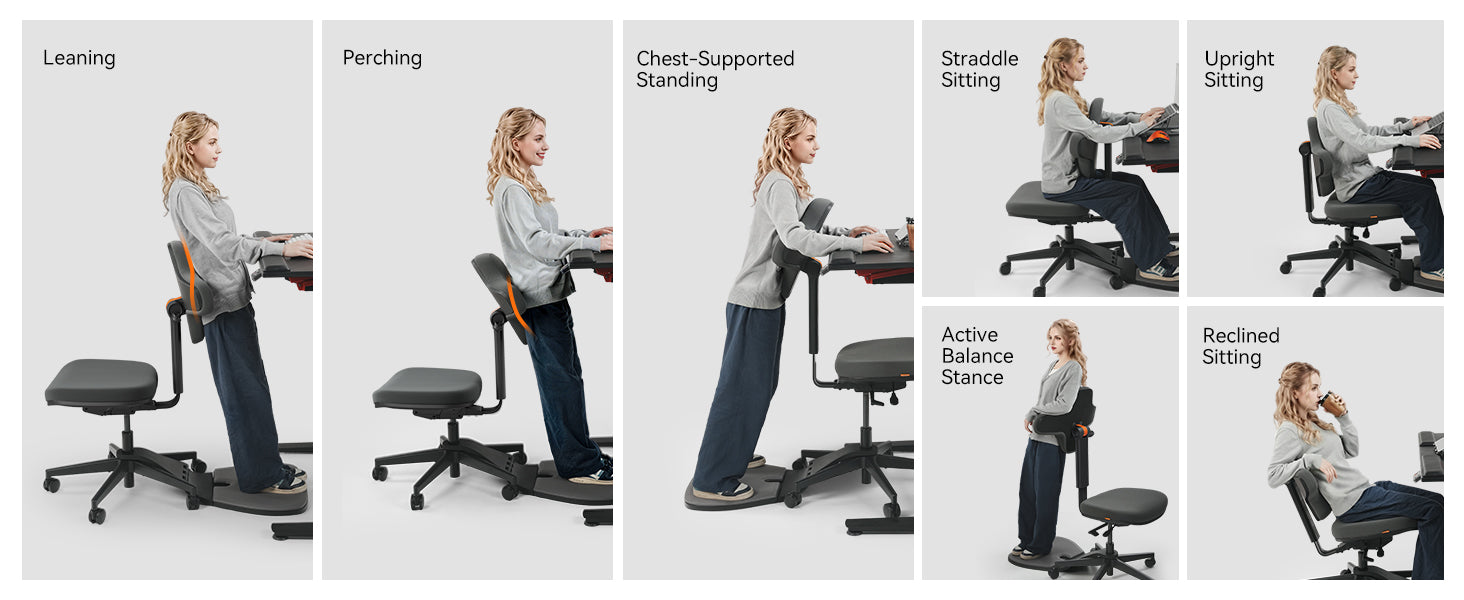
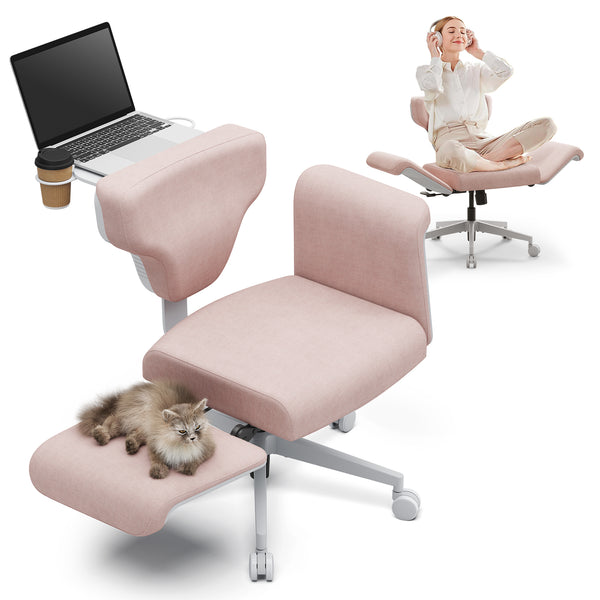
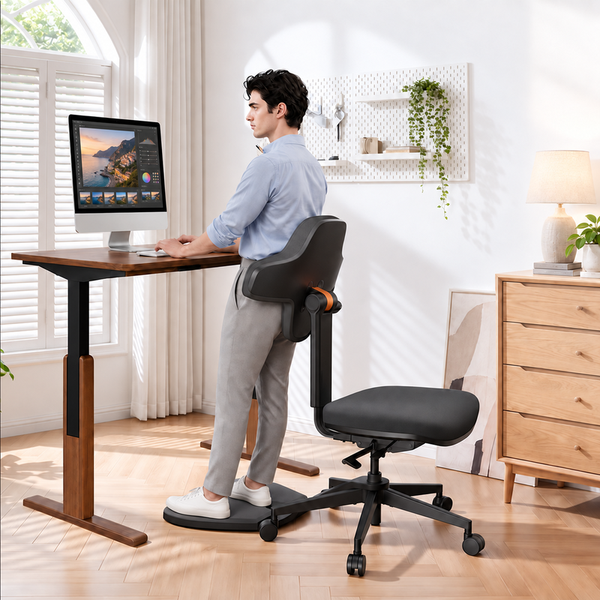
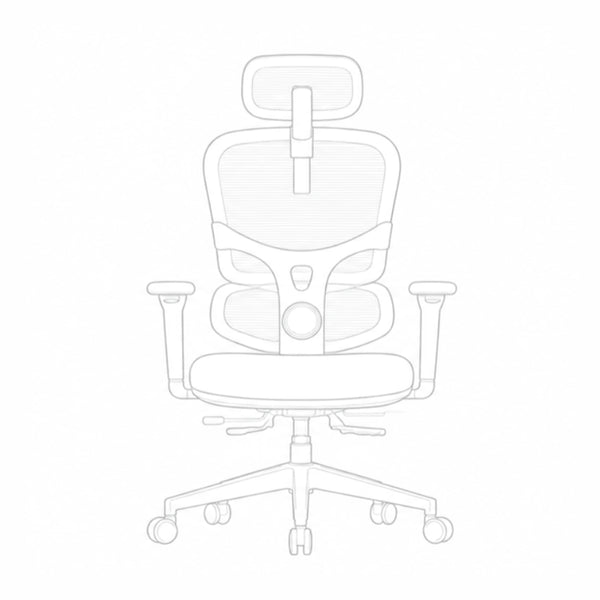
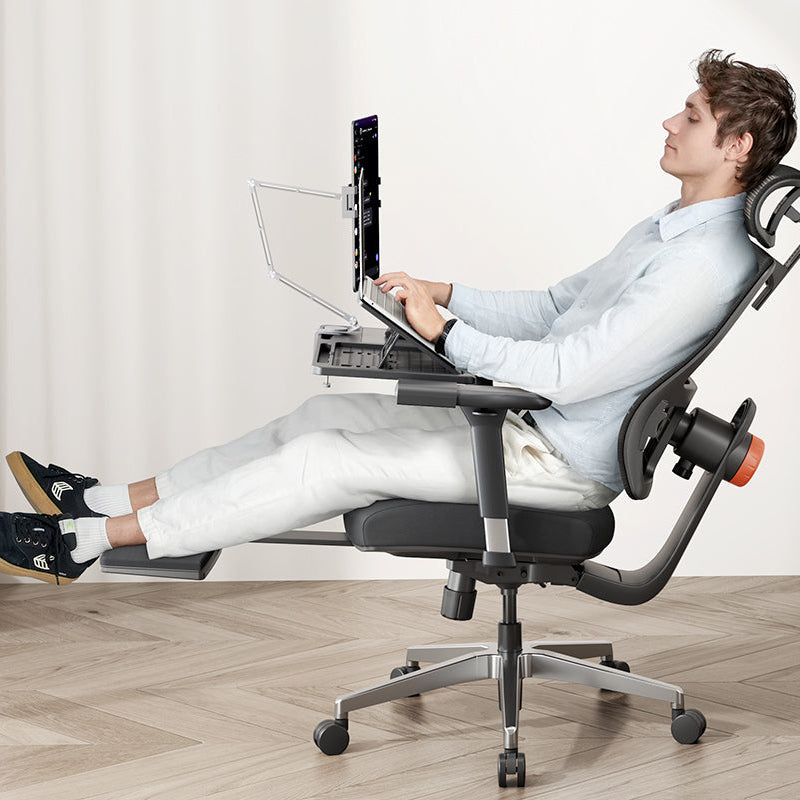
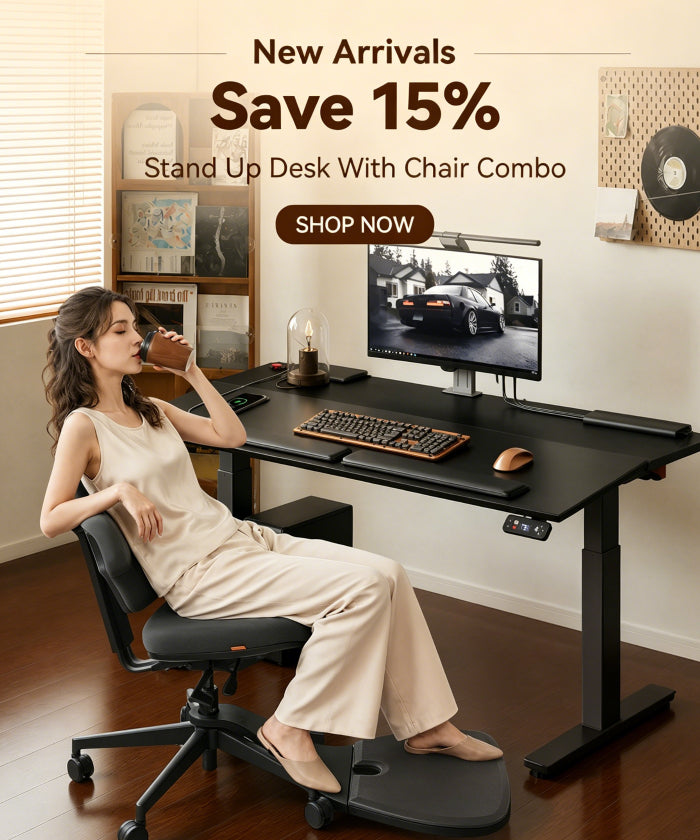
Because so much of adult life happens at a desk, the chair matters more than most people realize. Active sitting means using a seat that lets the body shift, perch, and move instead of locking into one fixed posture, so restless energy has somewhere to go. Within the ADHD office chair range, the Standing-Mate Chair is built for the can't-sit-still pattern: it moves through eight sitting, perching, and standing positions, adds a memory foam seat and a retractable footrest, and pairs with a standing desk so switching between sitting and standing takes seconds. That flexibility gives the body a steady outlet for movement without pulling attention off the task. Setup still matters, and an ergonomic chair height calculator helps dial in a height that keeps the body supported and free to move.

Turn Restlessness Into Focus
Giving the body room to move is only half of it. The other half is structuring work so that movement and attention pull in the same direction.
Blog12
Short bursts, not long sittings
Long, unbroken work blocks fight against a brain that craves stimulation, while shorter focused intervals with movement in between tend to fit much better. When a task feels impossible to begin, the 20 minute rule offers a simple way to get started.
Pair movement with hard tasks
Movement can be a way into the tasks you dread most. Stand while reading a difficult document, pace while working through a problem, or walk while taking a call you have been putting off. Tying a hard or boring task to gentle motion often makes it far easier to start and to stay with.
Plan breaks early
Most people wait until restlessness peaks before taking a break, by which point focus is already gone. Try the reverse. Schedule short movement breaks before energy runs out, so you top up on a steady rhythm instead of crashing and scrambling to recover.
When to Get Support
Self management helps a great deal, but it is not a substitute for proper care, and it does not work for everyone on its own.
Signs to see a professional
It may be worth talking with a healthcare provider if:
- Restlessness and related symptoms regularly interfere with work, relationships, or wellbeing
- You suspect ADHD but have never been formally evaluated
- The daily effort of coping is leaving you burned out
A qualified professional can confirm what is going on, rule out other causes, and help build a plan that fits your life. Reaching out is a practical next step, not a last resort.
FAQs
Why can't I sit in a chair normally with ADHD?
A standard chair offers the ADHD brain very little stimulation, and low stimulation quickly becomes restlessness, boredom, or fatigue. Shifting around, perching, or sitting in odd positions is the body's way of staying alert. A seat that allows some natural movement usually feels far more comfortable than being held in one fixed position.
Why can't I sit still even when I want to?
Wanting to sit still and being able to are two different things. The urge to move comes from how the ADHD brain regulates alertness, so it does not switch off on command. Holding it back also takes mental energy, which is why forcing stillness often leaves you more distracted rather than less.
Why do people with ADHD seem to thrive in chaos?
Pressure, deadlines, and busy environments all raise stimulation, and higher stimulation can lift an ADHD brain to the level of alertness where it performs best. That is why a last-minute rush sometimes unlocks sudden focus. It can feel productive, but living in constant crisis mode is draining over time, so steady sources of stimulation are a healthier bet than relying on chaos.
What is an ADHD chair?
An ADHD chair is a seat designed to allow movement while you work, usually through gentle rocking, tilting, or flexible support, rather than locking the body into one fixed posture. The idea is to release restless energy in small, quiet ways so it stops competing with concentration. A full range of ADHD office chairs is built around this kind of active sitting.
Do fidget or wiggle chairs help with ADHD restlessness?
For many people, yes. Wiggle and fidget style seating gives the body a constant low-level outlet for movement, which can make staying seated and focused easier for longer. The best fit depends on body type, desk setup, and how much motion feels right. A collection comparison breaks down the differences to help match a chair to how the work actually gets done.





Laisser un commentaire
Tous les commentaires sont modérés avant d'être publiés.
Ce site est protégé par hCaptcha, et la Politique de confidentialité et les Conditions de service de hCaptcha s’appliquent.