
Table of Contents
A chair that won’t stay at the right height is more than annoying. It can throw off your desk setup, make your back and shoulders ache, and distract you all day. The good news is most sinking chairs can be fixed with a few simple checks. Start with the easy stuff, then move up to the longer-term fixes.
Quick signs your chair is actually sinking
A sinking chair usually shows up in one of these ways:
- You set the height, sit down, and the seat slowly drops over a few minutes.
- You notice you’re closer to the desk by the end of the day than you were in the morning.
- You keep raising it, but it won’t hold the new height once you put weight on it.
Not every “bad chair feel” is sinking, though. If the chair rocks back too easily or feels loose side-to-side, you may be dealing with the tilt mechanism or a loose seat plate instead of the height system.
A quick test: raise the chair, sit normally, and stay still for a minute. If the seat lowers without you touching anything, that’s a true sinking issue.
Before you fix it, do a 2 minute safety check
Before you flip the chair over or start tightening parts, take a moment to make sure it’s safe to work on.
- Put the chair on a flat surface. Hardwood, tile, or a thin chair mat is best. Thick carpet can make the chair feel uneven.
- Check the base for cracks. Look at the legs where they meet the center hub. If anything looks split or warped, stop here and replace the chair or base.
- Check for loose screws. If the seat feels wobbly, tighten the screws under the seat first. A loose seat plate can feel like “sinking.”
- Pay attention to sudden drops. If the chair drops fast or makes loud clunks, don’t keep using it. That can be a safety risk.
Once the chair looks stable, you’re ready to start troubleshooting.

Tip 1 Check the height lever and linkage
Sometimes the chair isn’t “failing” as much as the lever isn’t pressing the release valve correctly. The lever connects to a small button at the top of the gas lift cylinder. If that connection is loose, dirty, or out of position, the chair may slip.
Test the lever in 30 seconds
- Raise the chair to a comfortable height.
- Sit down like you normally would.
- Without standing up, gently lift the height lever like you’re trying to lower the chair.
- Let go and see what happens.
What you’re looking for:
- Lever feels loose or floppy: screws may be loose under the seat.
- Lever feels stuck: dirt, hair, or a bent linkage may be blocking movement.
- Chair drops even when you’re not touching the lever: more likely a worn gas lift cylinder.
Easy fixes that often help
Try these simple fixes first:
- Tighten the screws under the seat. Focus on the screws holding the seat plate to the chair seat.
- Check the lever position. The lever should press straight into the cylinder button when you pull it. If it’s barely touching, it may not hold correctly.
- Clean around the lever area. Hair, dust, and crumbs can build up around the moving parts. Wipe it down with a dry cloth, then test again.
If the chair still sinks, move on.
Tip 2 Clean and reset the moving parts
Even if the cylinder is the main issue, cleaning the mechanism can help you confirm what’s actually going on. It can also fix minor slipping caused by grime around the actuator.
Here’s a simple approach:
- Flip the chair carefully. Put it on a rug or towel so you don’t scratch the floor.
- Wipe around the top of the cylinder and seat plate. That’s where the lever presses the cylinder button.
- Clean out hair and dust. Use a small brush, a dry rag, or compressed air if you have it.
- If it squeaks, use silicone spray. Use only a small amount. Avoid oil-based sprays that attract dirt.
After cleaning, flip the chair back, set the height, and sit for a minute. If it still sinks, you’re probably dealing with a worn cylinder.
Tip 3 Use a temporary height lock for today
If you need the chair to stop sinking right now, a temporary height lock can buy you time. This does not repair the cylinder, but it can keep the chair at one usable height until you replace parts or get a new chair.
Simple options that work fast
Choose one of these common approaches:
- Hose clamp plus rubber strip: Cheap and easy to find at a hardware store. The rubber helps it grip.
- PVC pipe sleeve: Cut a short piece of PVC pipe that acts as a spacer.
- Clamp collar made for chair cylinders: Some are sold as “office chair height fix” collars.
How to do it safely
- Pick your target height first. Sit at your desk and set the height where your feet are flat and your knees are around a right angle.
- Place the lock on the shiny inner cylinder. That shiny part is the section that moves. Don’t clamp the wider outer tube.
- Test slowly. Sit down gently and see if it slips. If it slips, tighten a little more and test again.
This can be a solid short-term fix, especially if you don’t care about adjusting the chair height often. If you want a real repair, cylinder replacement is usually the next step.
Tip 4 Replace the gas lift cylinder
For most sinking chairs, the gas lift cylinder is the main culprit. Inside the cylinder are seals that help hold pressure. Over time, those seals wear out, and the chair can’t stay at the same height under your weight.
When replacement is the right call
Replacing the cylinder is usually the right move if:
- The chair sinks only when someone is sitting in it.
- Cleaning and lever checks didn’t change anything.
- The chair is used daily and is a few years old.
- The chair raises fine, but won’t hold height.
How to buy the right cylinder
You don’t need to overthink this, but you do need to match basic fit and size.
- Check the chair brand and model. If you can find a label under the seat, take a photo.
- Match the top and bottom fit style. Most cylinders use a standard tapered fit, but some chairs are different.
- Choose a cylinder rated for your weight range. If you’re close to the chair’s max rating, choose a heavy-duty option.
- Double-check height range. Some cylinders sit higher or lower than others, which can change your sitting height.
If you’re unsure, look up your chair model plus “replacement gas lift cylinder” and compare photos of the ends and measurements.
Simple swap steps
Cylinder replacement can be quick, but it may take effort if parts are stuck. Here’s the basic flow:
- Remove the base. Turn the chair upside down and pull the wheel base off the cylinder. Sometimes it slides off with a firm tug.
- Separate the old cylinder from the seat plate. This is often the hardest part because the fit can be tight.
- Install the new cylinder. Press it into the seat plate, then press the base back onto the other end.
- Test height before heavy use. Raise and lower it a few times, then sit down gently to confirm it holds.
If you run into a stuck cylinder, check the troubleshooting section below.

Tip 5 Decide if it is time to replace the chair
Not every chair is worth fixing. If the chair has multiple issues, replacing it can save you time and frustration.
Consider replacing the chair if:
- The base is cracked or the legs look damaged.
- The seat plate is bent or the chair wobbles no matter what you tighten.
- The chair sinks and leans or feels unstable in more than one way.
- It’s a very cheap model and parts are hard to match or find.
If you sit for long hours, a stable, supportive chair is worth it. A chair that drops unexpectedly can also be a safety issue.
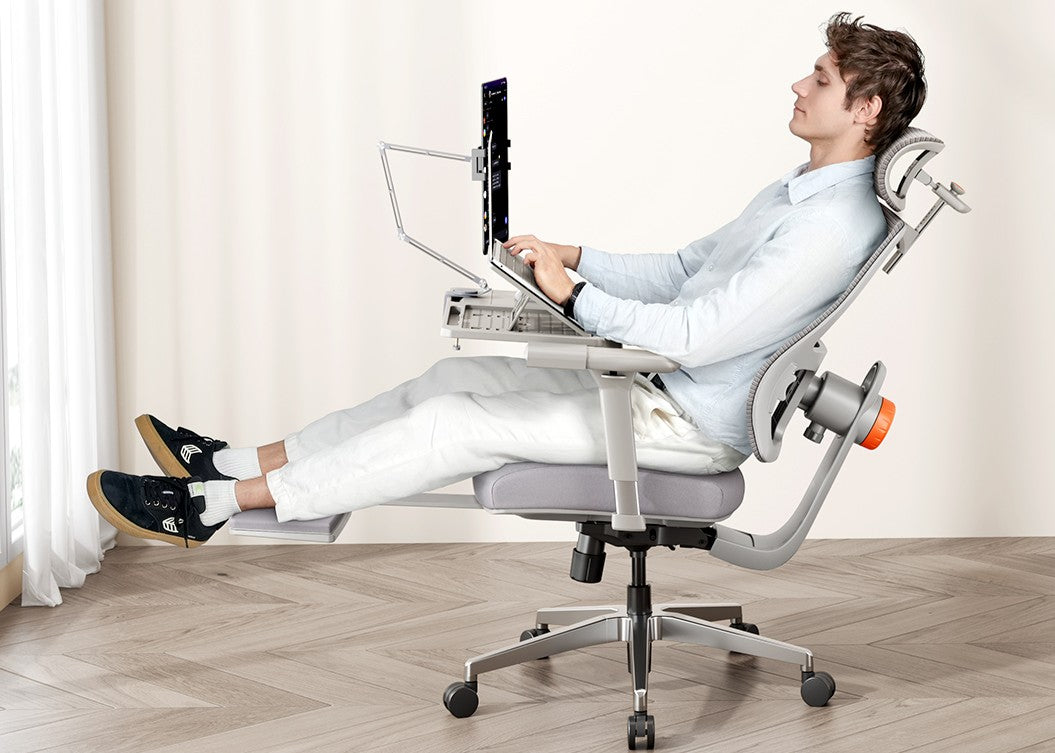
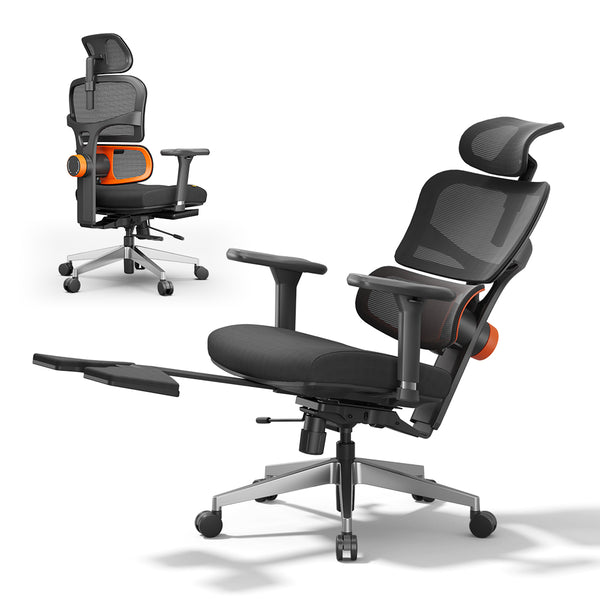
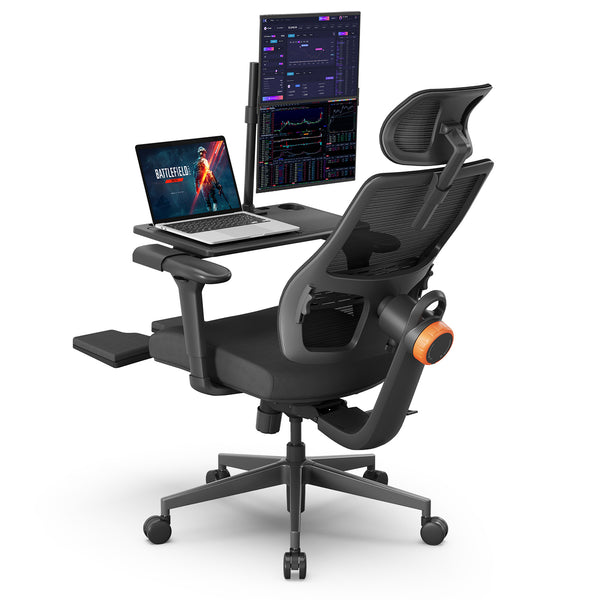
Recommended Product: Newtral NT002
If your chair keeps sinking and you’re ready to stop dealing with fixes, the Newtral NT002 is worth a look. It’s built around a Class 4 gas lift (the part that controls seat height), which is designed for smooth height changes and stability.
Here are the features that matter most for day-to-day desk use (and yes, these match the product page):
- Patented auto-following lumbar support that moves with you as you shift positions.
- Recline with lock, with a listed tilt range of 96° to 136°.
- Extendable footrest for breaks between tasks.
- 4D armrests (adjust forward and back, up and down, left and right, plus rotation).
- Breathable mesh back to help with airflow during long sessions.
- Seat depth adjustment (listed as 1.97 inches).
- Backrest height adjustment with 5 levels, designed for users 5'1" to 6'3".
- Weight capacity: 300 lbs (136 kg).
Quick buying tip: if your current chair sinks because the cylinder can’t hold pressure anymore, look for chairs that clearly list a Class 4 gas lift and a clear weight rating. The NT002 lists both, which makes it easier to judge whether it fits your needs.
blog18
Blog18
Blog12
Common problems and quick fixes
Here are the issues people run into most often while trying to fix a sinking chair.
Cylinder is stuck and will not come out
This is common. Cylinders can lock in place over time.
Try these options:
- Wiggle and pull with steady force. Quick jerks usually don’t help.
- Use rubber gloves for grip. Better grip can make a big difference.
- Tap around the joint. Light taps around the seat plate area can help loosen the fit.
If it still won’t budge and you don’t have tools, a local hardware store or office maintenance person can usually help.
Chair still sinks after a new cylinder
If you installed a new cylinder and it still drops:
- Make sure the lever isn’t constantly pressing the release button.
- Confirm the cylinder is fully seated into the seat plate.
- Double-check that you bought the correct type for your chair.
In some cases, the seat plate mechanism itself can be worn, especially on older chairs.
Chair sits too high or too low after the swap
This happens when the new cylinder has a different height range.
Fixes that help:
- Swap to a different cylinder length if available.
- Use a footrest if the chair is slightly too high.
- Raise your desk or keyboard height if you’re sitting lower than before.
How to keep your chair from sinking again
Once your chair is stable, a little maintenance can help it last longer.
- Stay within the chair’s weight rating. If you’re close to the limit, choose a heavy-duty cylinder next time.
- Tighten screws every few months. A quick check keeps the seat plate stable.
- Keep hair and dust out of the mechanism. A wipe-down under the seat helps more than you’d think.
- Sit down gently. Dropping into the chair puts extra stress on the cylinder and the base.

FAQs
Why does my office chair sink only sometimes?
It can happen more at certain height settings, or when the seals are starting to fail. It may also happen if the lever mechanism is slightly misaligned and occasionally presses the release button.
Can I fix a sinking chair without replacing parts?
Sometimes. Tightening screws, cl eaning the mechanism, and checking the lever can help. If the cylinder seals are worn, a temporary height lock can work, but replacing the cylinder is usually the real fix.
How much does a replacement cylinder cost in the US?
Many replacement cylinders are affordable, but the price depends on size and rating. Heavy-duty cylinders cost more. Check listings that match your chair model for the most accurate price.
Is it safe to keep using a chair that sinks slowly?
If it sinks slowly but feels stable, it may be more of a comfort issue than a safety issue. If it drops suddenly, wobbles, or the base looks cracked, stop using it.
More reading: How to Fix a Squeaky Desk Chair?








Hinterlasse einen Kommentar
Alle Kommentare werden vor der Veröffentlichung geprüft.
Diese Website ist durch hCaptcha geschützt und es gelten die allgemeinen Geschäftsbedingungen und Datenschutzbestimmungen von hCaptcha.