


Table of Contents
If you’ve ever struggled to start a task—especially something that feels overwhelming you’re not alone. For people with ADHD, getting started is often the hardest part. That’s where the 20-minute rule comes in. This simple method helps break the cycle of procrastination and gives you an easy way to take the first step.
Let’s explore what the 20-minute rule is, why it works so well for ADHD brains, and how you can start using it today.
What the 20-Minute Rule Means
The 20-minute rule is a productivity trick that helps you begin a task by committing to work on it for just 20 minutes. That’s it.
You’re not promising to finish the entire thing. You’re just giving yourself permission to start—without the pressure of pushing through for hours.
Once the timer starts, you focus on the task for 20 minutes. When the timer goes off, you can stop, take a break, or keep going if you're in the zone.
This small commitment often helps people bypass the mental block that comes from thinking a task is “too big.”
Why It Works for People With ADHD
People with ADHD often find it hard to start tasks, especially when they feel too long, too boring, or too complicated. That’s not laziness—it’s part of how the ADHD brain processes time and motivation.
The 20-minute rule works because it lowers the barrier to entry. Instead of trying to finish a task, you’re just starting it. That feels less overwhelming.
It also helps you build momentum. Many times, once you start, it’s easier to keep going than you expected.

Blog18

How to Use the 20-Minute Rule in Daily Life
Here’s how to try it for yourself:
Step 1: Choose One Small Task
Pick something that’s been sitting on your to-do list. It could be as simple as replying to an email, tidying up your desk, or reviewing class notes.
Step 2: Set a Timer for 20 Minutes
Use your phone, a kitchen timer, or a focus app. The key is to make it official—set that timer and commit.
Step 3: Focus Just on That Task
For the next 20 minutes, try to focus on just that one thing. No multitasking, no switching tabs, no checking your phone.
Step 4: Take a Short Break or Keep Going If You Feel Good
When the timer rings, check in with yourself. If you’re feeling done, take a break or stop for the day. If you’ve got momentum, feel free to keep going.
Pro tip: The goal is starting, not perfection.
When to Use the 20-Minute Rule
This method works in all kinds of everyday situations. Here are a few examples:
- Work or homework: Start writing, answering emails, or studying.
- House chores: Clean one area, fold some laundry, or start organizing.
- Reading: Tackle that book you’ve been meaning to get into.
- Exercise: Just stretch, do light cardio, or take a short walk.
The rule helps take the pressure off. It’s not about doing it all—it’s about doing something.
Helpful Tools to Support the Habit
You don’t need anything fancy to use the 20-minute rule, but a few tools can help make it stick:
- Timers and apps: Try Focus Keeper, Forest, or just your phone’s timer.
- Planners for ADHD: Look for visual planners that break tasks into chunks.
- Sticky notes or whiteboards: Seeing your task written down helps reinforce it.
Reminders and routines also go a long way. Try adding the 20-minute rule to your morning checklist or end-of-day routine.

Make Focus Time More Comfortable with the Right Chair
If you’re using the 20-minute rule to boost your focus, your environment matters too—especially your chair.
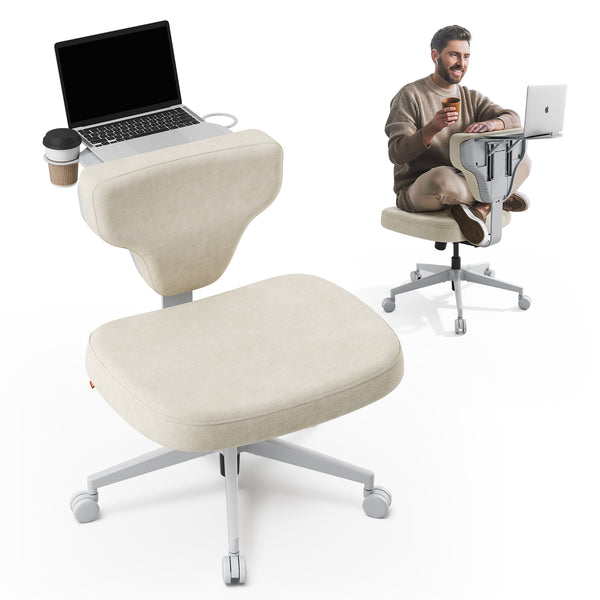
The Newtral Freedom-X is a great option for people with ADHD or anyone who struggles with sitting still for long periods. It’s designed with multi-position support, meaning you can adjust the backrest, seat, and armrests to match your body and your movement needs.
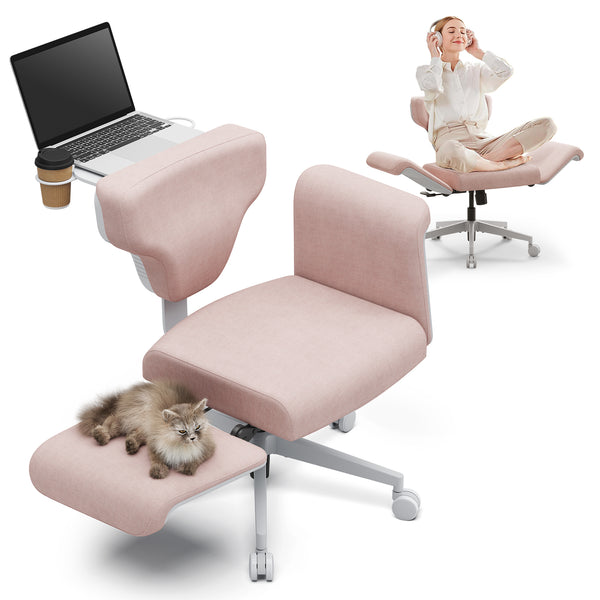
If you want to compare other seating options designed for movement and flexible sitting, explore Newtral’s collection of ADHD office chairs for adults.
Whether you're leaning in to concentrate or shifting positions during breaks, this chair keeps you supported without feeling rigid. The Freedom-X isn’t just ergonomic—it’s built to reduce distractions by keeping you comfortable and grounded during your focus sessions.
Blog18
How It Compares to Other Focus Methods
You might wonder how the 20-minute rule stacks up against other popular methods like the Pomodoro technique.
The Pomodoro technique also uses timed work sessions (usually 25 minutes) followed by breaks. The difference is that Pomodoro is more structured—you repeat the cycle four times, then take a longer break.
The 20-minute rule, on the other hand, is more flexibfle. It’s about getting started, not finishing a set number of cycles. That makes it easier to adopt if you’re feeling overwhelmed or just need a low-pressure entry point.
Final Thoughts
The 20-minute rule is a simple way to trick your brain into getting started. It’s especially helpful for people with ADHD who often face mental blocks around focus and task initiation.
You don’t have to finish the whole task. You just have to show up for 20 minutes. Over time, those small starts add up to big wins.
Give it a try this week. Set your timer. Start small. See where it takes you.
Blog18
Blog18
Blog18
More Reading: ADHD Chair Benefits: Can an Active Chair Actually Help You Focus








Hinterlasse einen Kommentar
Alle Kommentare werden vor der Veröffentlichung geprüft.
Diese Website ist durch hCaptcha geschützt und es gelten die allgemeinen Geschäftsbedingungen und Datenschutzbestimmungen von hCaptcha.