
Do You Have Any of These 4 Back Problems?
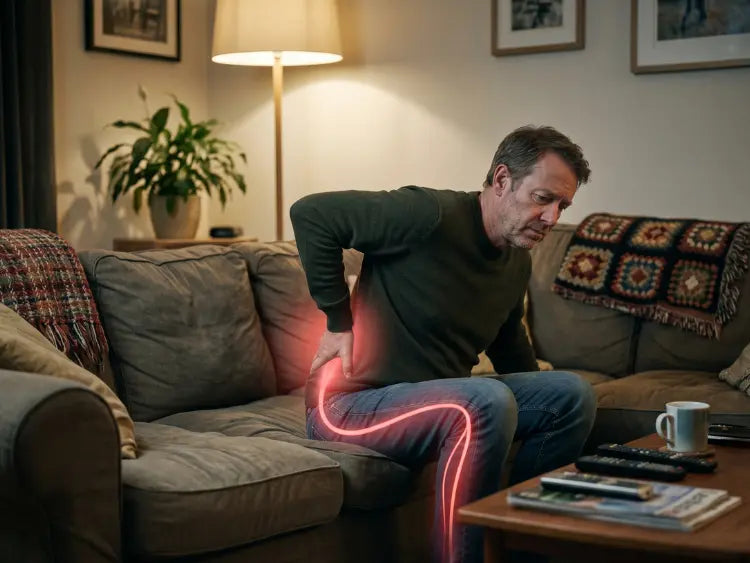
Lower Back Soreness from Long Office Hours
Sitting at a desk for hours often leads to sharp, lingering soreness in the lower spine. According to the CDC's National Institute for Occupational Safety and Health (NIOSH), more than 1 in 4 working adults experience this kind of low back discomfort. If you're after a reliable computer chair for back problems, our designs are built to stand out as the best office chair for lower back problems.
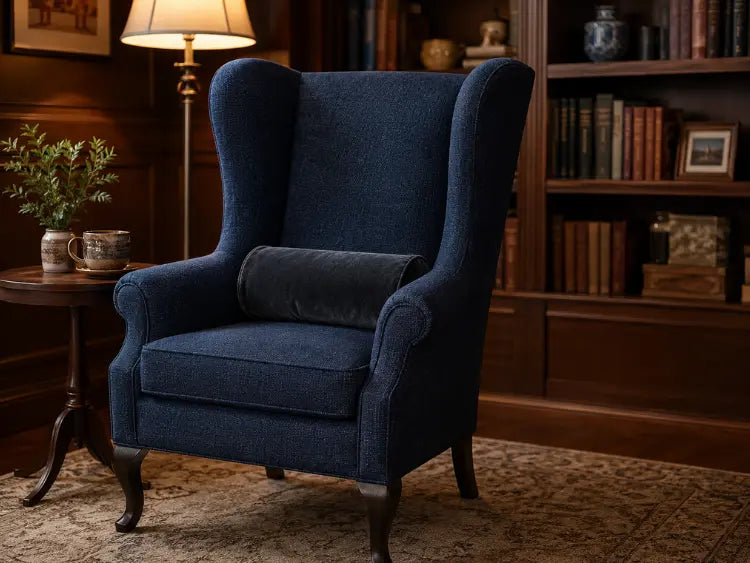
Chronic Discomfort from Unhealthy Sitting Posture
Years of poor posture can leave you with persistent discomfort, even after short periods of sitting. That's why shoppers look for ergonomic chairs for back problems that distribute spinal pressure evenly.
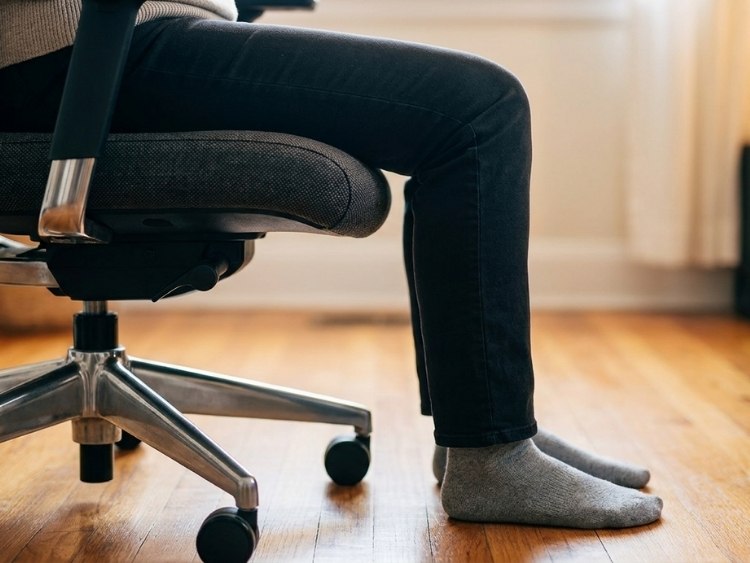
Tight Muscles That Need Reclined Relaxation
After hours of focused work, tight spinal muscles can't fully unwind in an upright, rigid chair. Research shows that simply changing position every hour can lower musculoskeletal discomfort risk by more than 30% — which is exactly why so many turn to a recliner chair for back problems or a relax-the-back-style office chair.

Severe Discomfort from All-Day Sedentary Use
Professionals, freelancers, and remote staff who sit 6+ hours daily often face worsening spinal discomfort, leading them to search for the best chair for backache, sore back, and chairs for back problems.
Best Chairs For Back Problems
✅ Free Shipping – To most of the USA & EU | Local Warehouses
📦Deliveries in 2–8 Business Days
Filtres
11 produits



Match Your Back Problems to the Right Chair
Different discomforts need different solutions. Discover how each design
enhances your comfort in its own way.

No built-in laptop tray; pairs with a standing mat, helps you maintain natural posture when standing working to relieve back strain
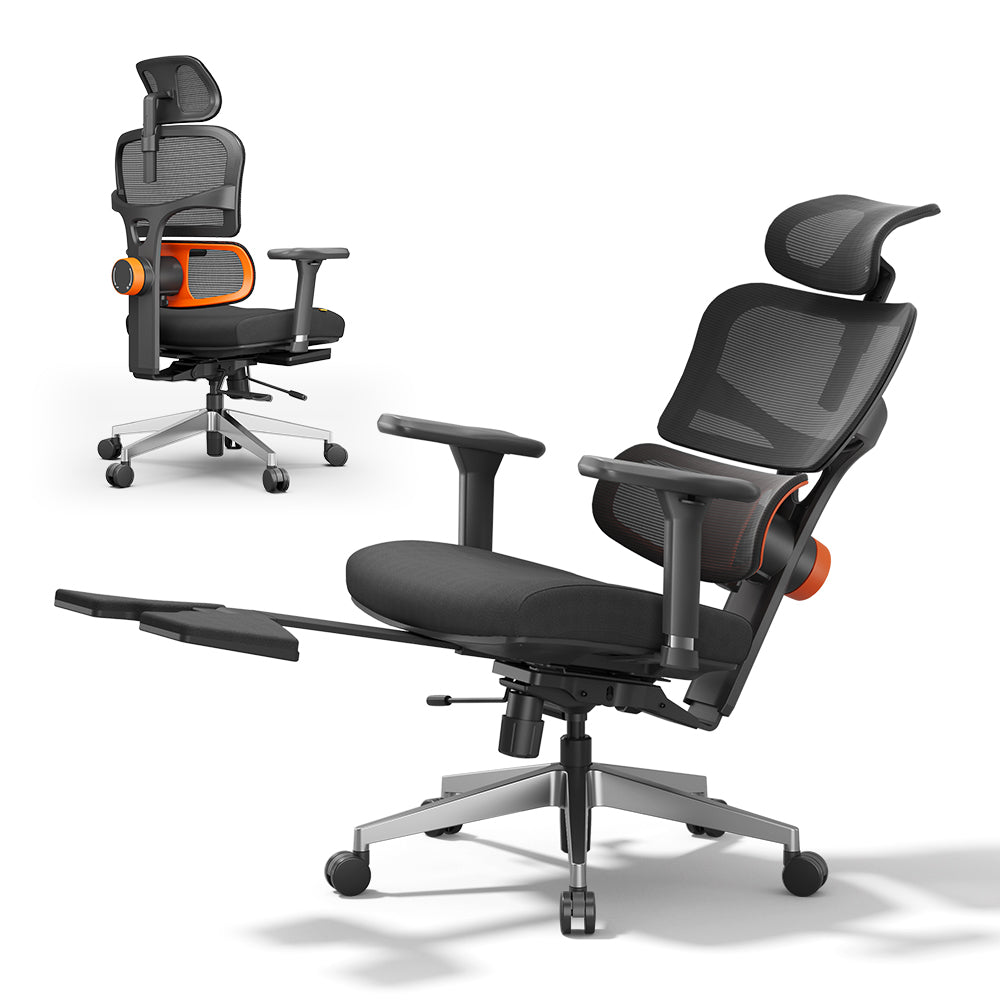
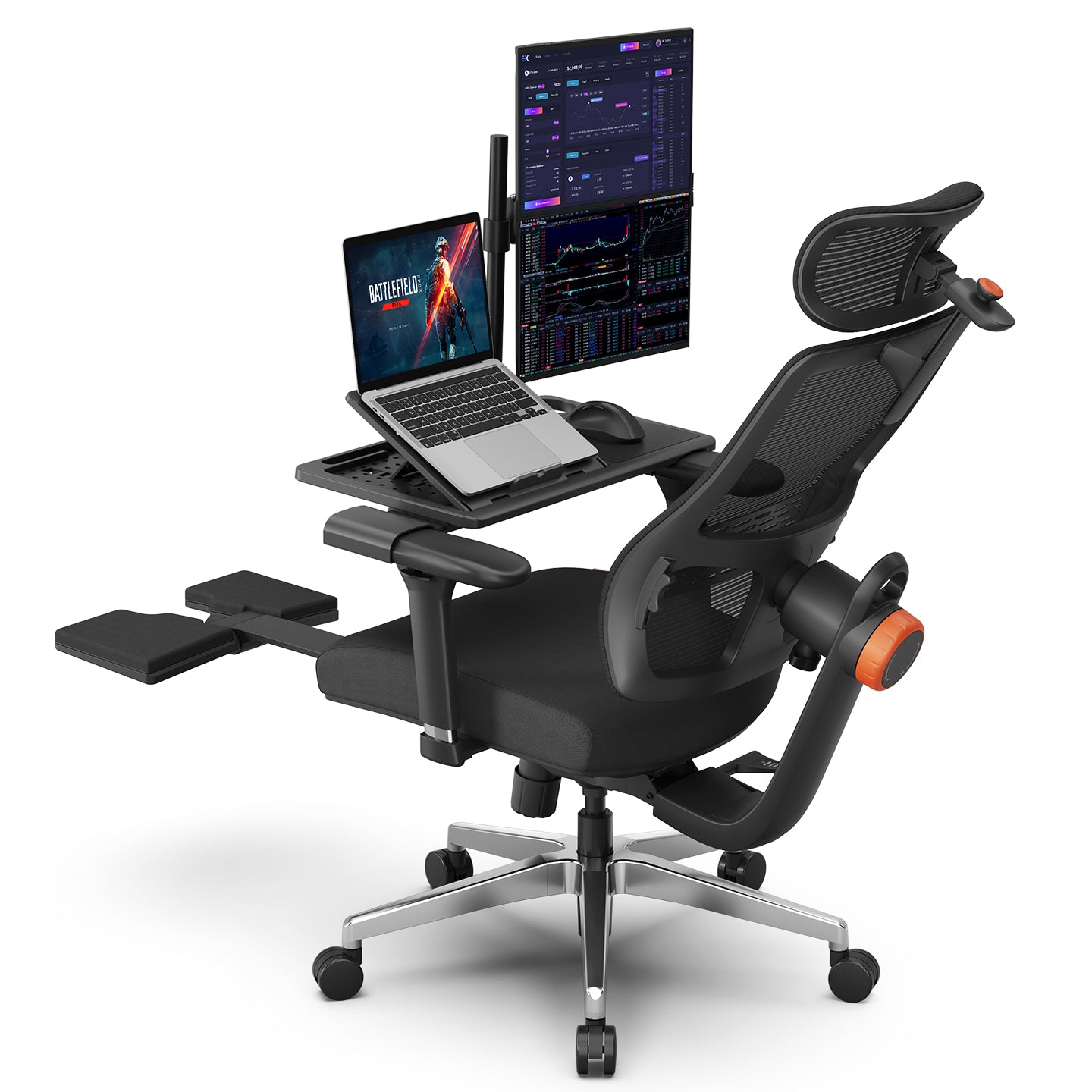
Optional detachable laptop tray + included retractable foldable footrest: when reclined working, keeps proper screen distance and
rests your arms, reduces back tension & eases chronic fatigue
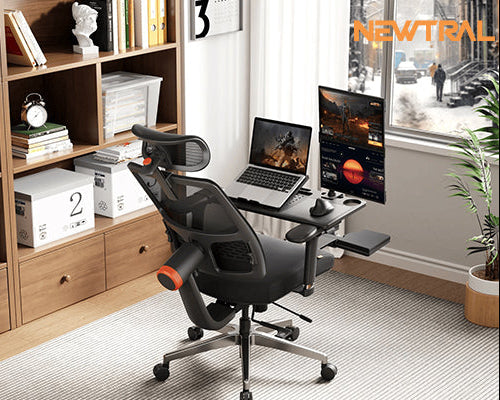
Adjustable headrest + detachable laptop table included, ergonomic lumbar system naturally releases back pressure during long hours of working or reclined use
Perfect match for standing desks; built for sit-stand work
Fixed-height desks only; no standing use
Fixed-height desks only; no standing use
Standing, straddle, or forward-lean; reclines to a 167° flat lock
Multi-angle tilt with lock, paired with an adjustable headrest
Multi-angle tilt with lock, paired with an adjustable headrest
People who feel restless sitting still and need to alternate between sitting and standing throughout the day
People doing hours of continuous, focused desk work who need steady comfort without constant readjusting
People who sit long hours at a computer and want consistent lumbar contact on a tighter budget
8-10 hours of daily use, pair with regular standing breaks to release back pressure
6-8+ hours of daily use, a cost-effective upgrade for better back comfort
6-8+ hours of daily continuous desk work, providing back comfort
Breaks up static sitting through sit-stand switching, so your spine is never locked in one position for too long
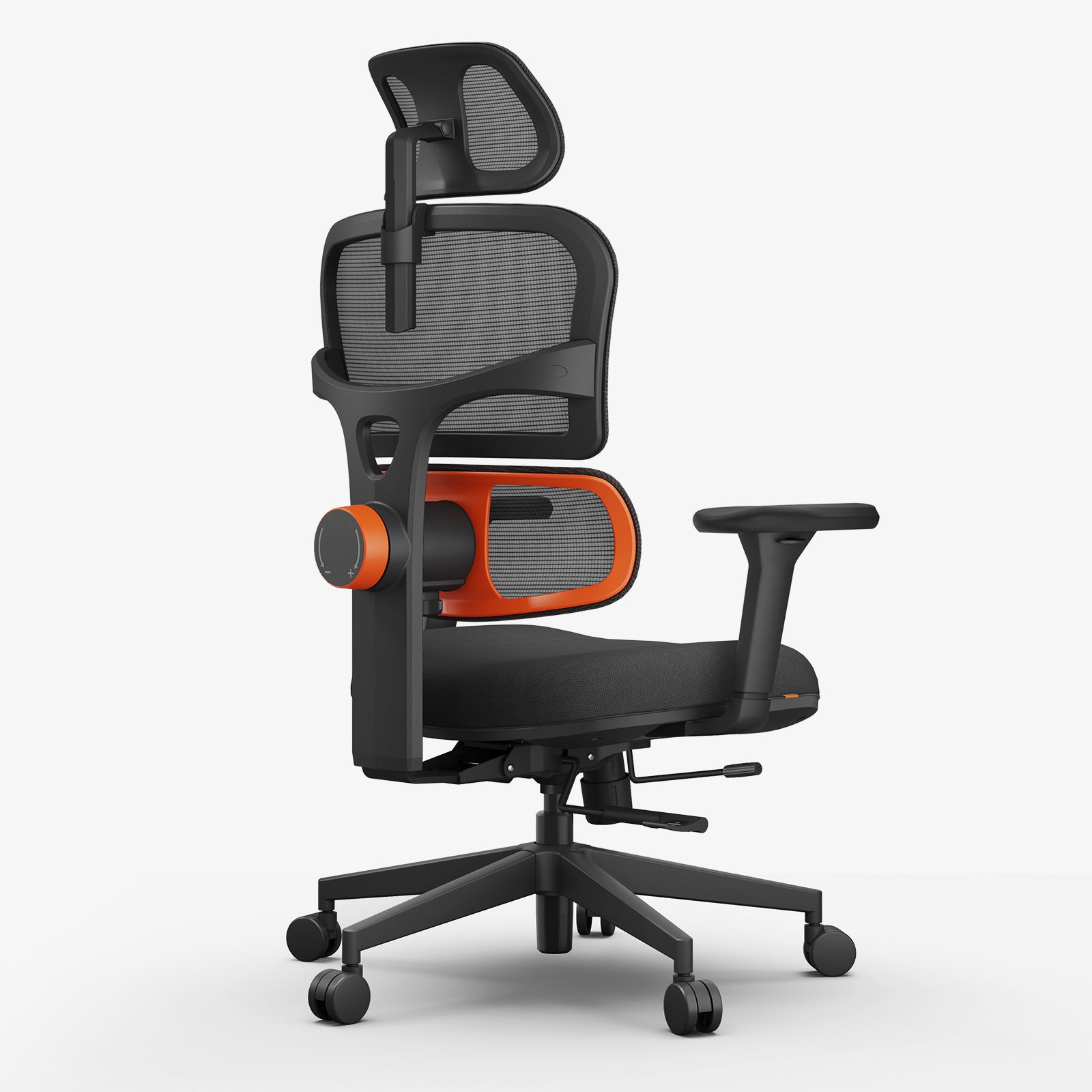
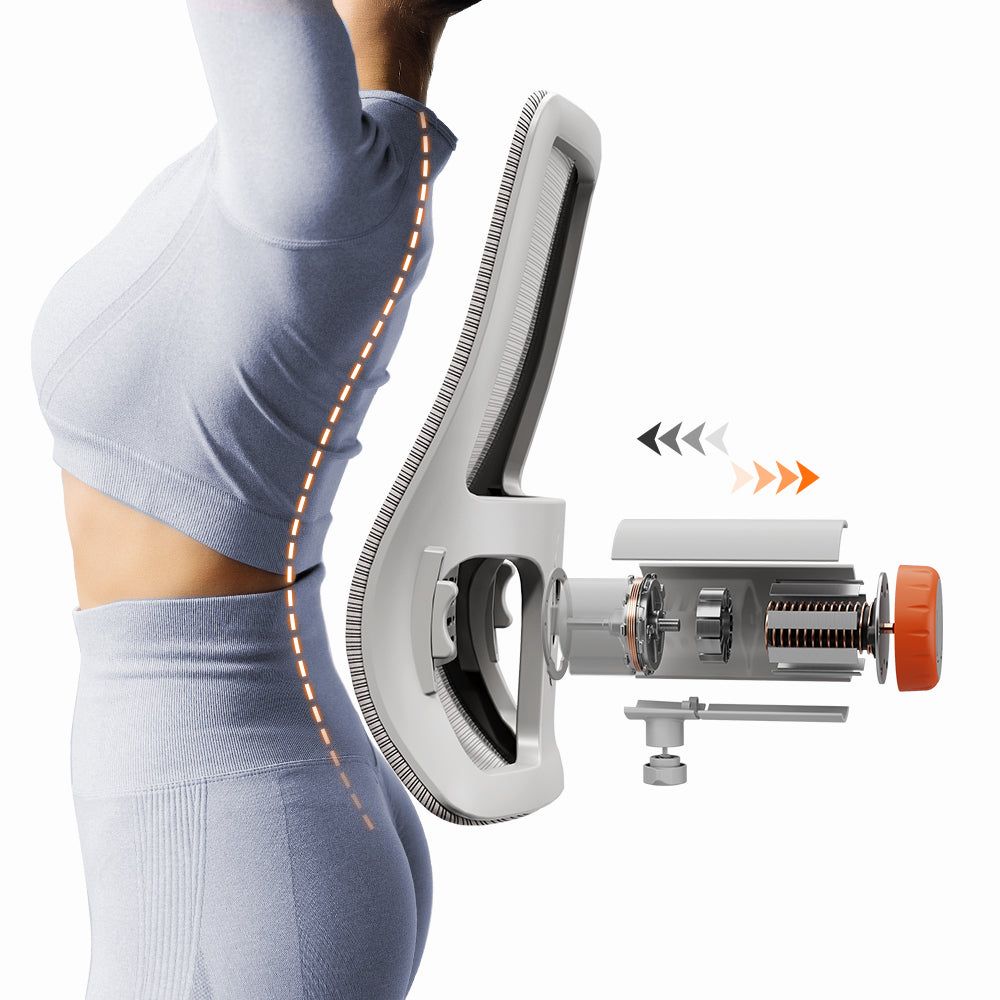
Auto-tracking lumbar that follows your spine in real time, easing the soreness that builds from sitting still
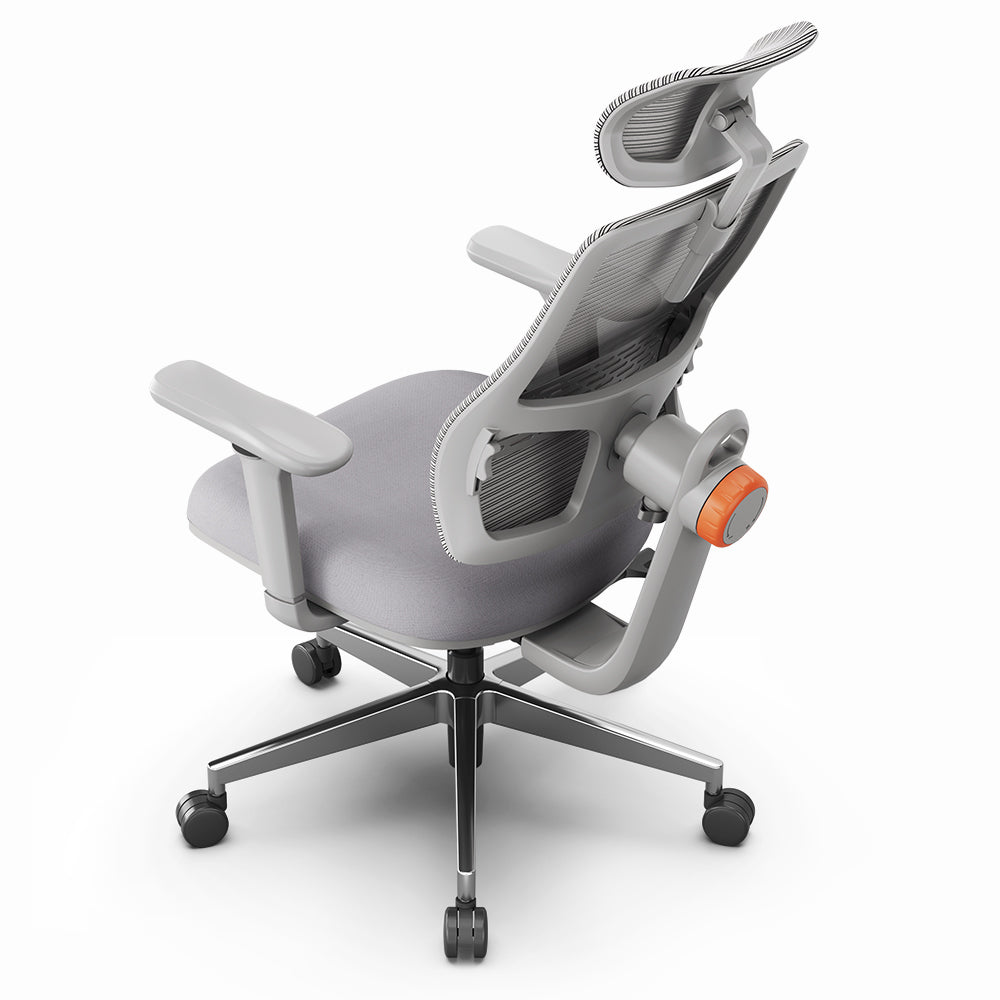
Auto-following lumbar cushion that maintains contact through every shift in posture
104°–125°, locks flat at 167°
96°–136°, widest range of the three
96°–136°, widest range of the three
M / L options
Single size
Single size
Steel 5-star base
Aluminum alloy 5-star base
Steel 5-star base
How Different Chairs Help Your Back?
Break the Static Sitting Habit
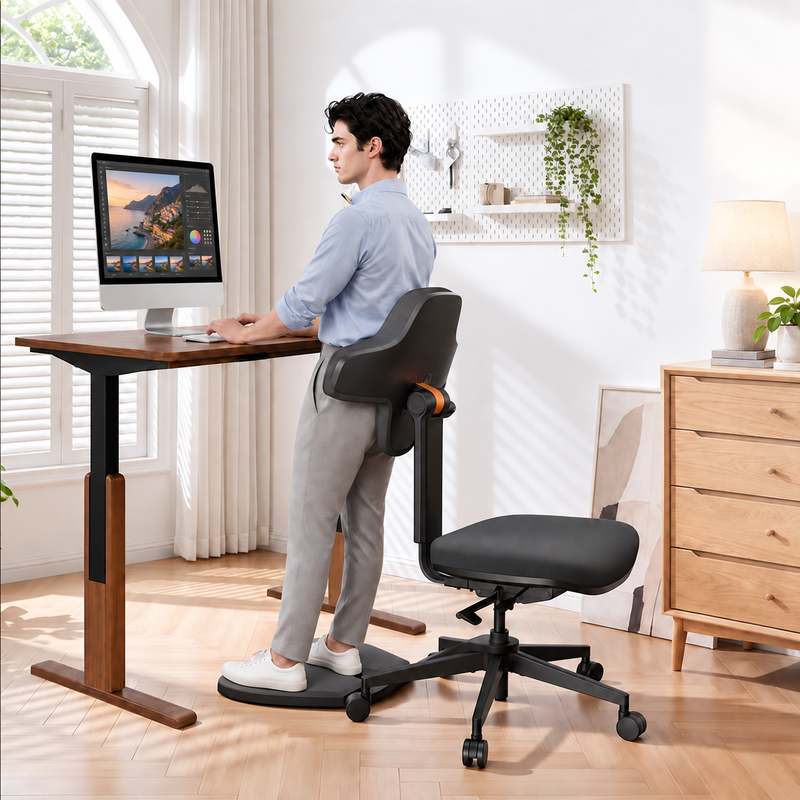
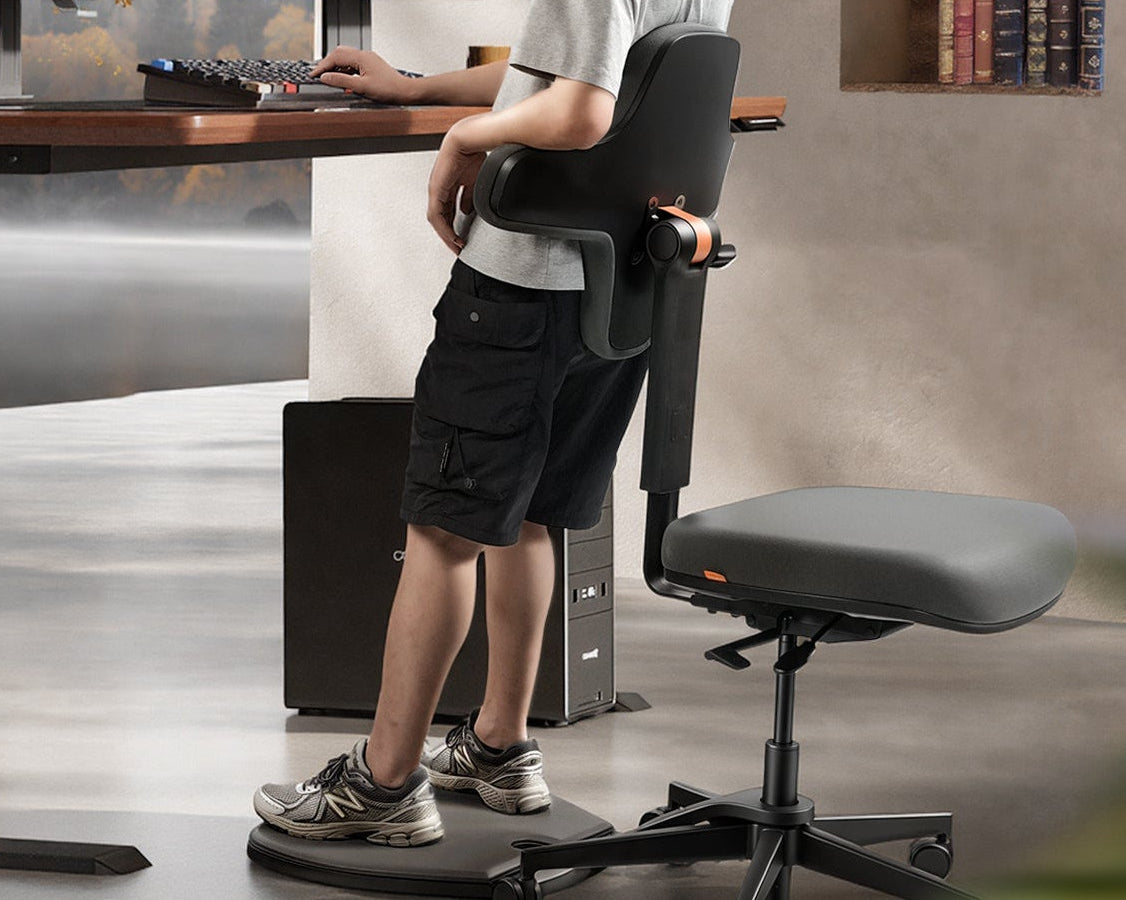
Standing-Mate
Sitting in one position for hours is one of the biggest causes of chronic soreness. Research shows that simply changing position — from sitting to standing — every hour can can lower musculoskeletal discomfort risk by more than 30%. Standing Mate takes a different approach, letting you shift between sitting and standing throughout the day, so your back never stays locked in the position that started the discomfort in the first place.
Ergonomic Comfort That Adapts to You
NT Series
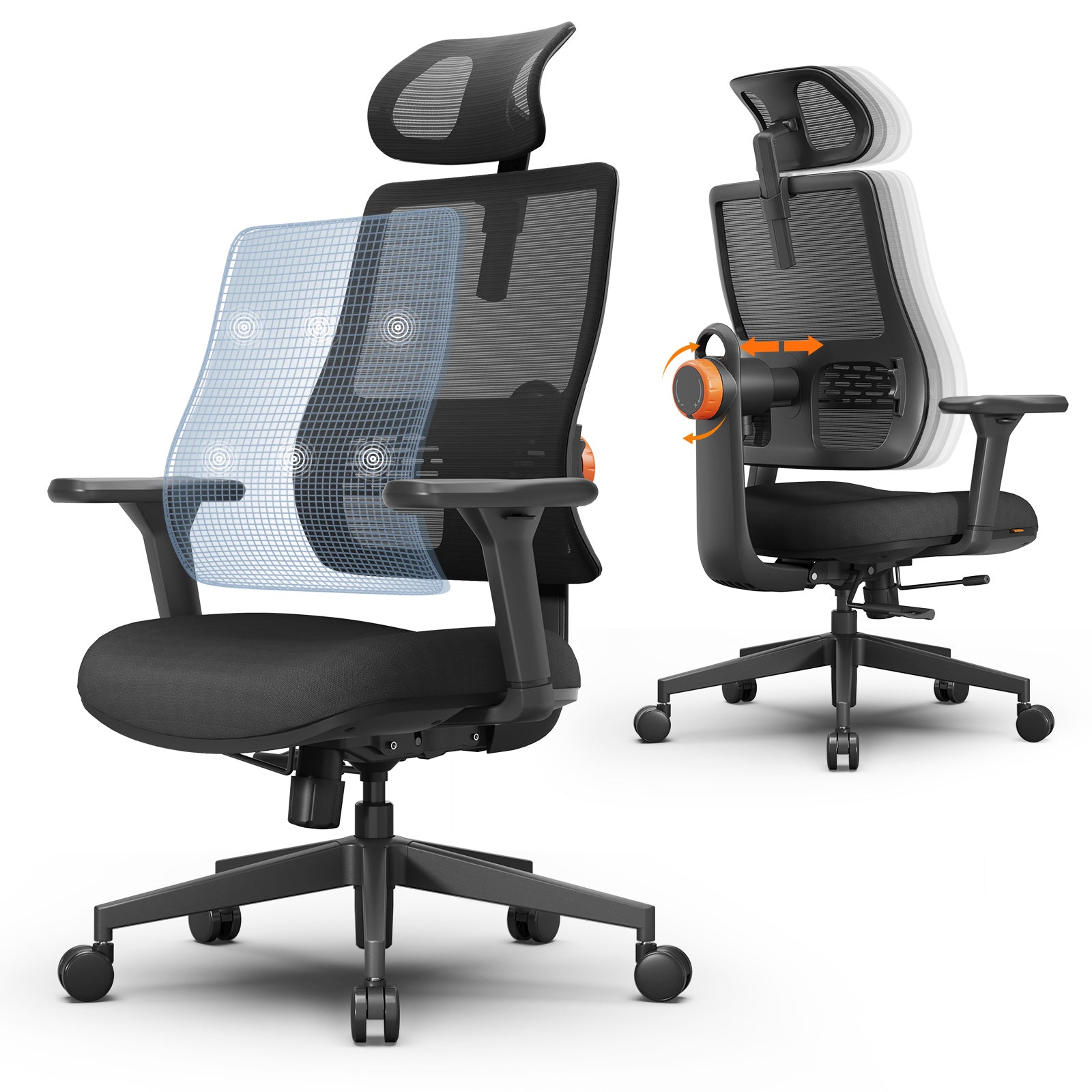
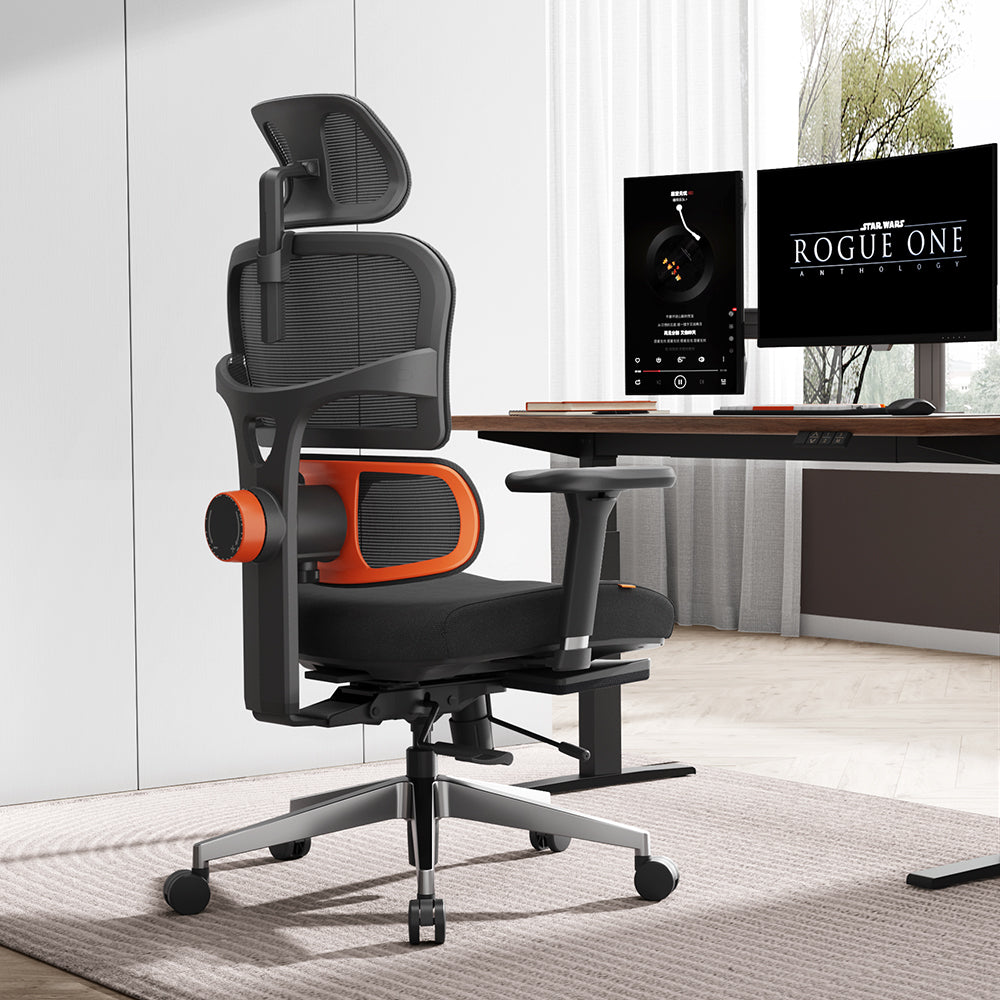
Most chairs lose their lumbar care the moment you shift position — the cushion stays still while your back moves away from it. NT002 solves this with a dynamic following system that tracks your spine in real time, making it one of the best office chairs for lower back problems whether you're leaning forward to type or sitting upright through a long call.
Let Tense Back Muscles Truly Unwind
Magic-H Series
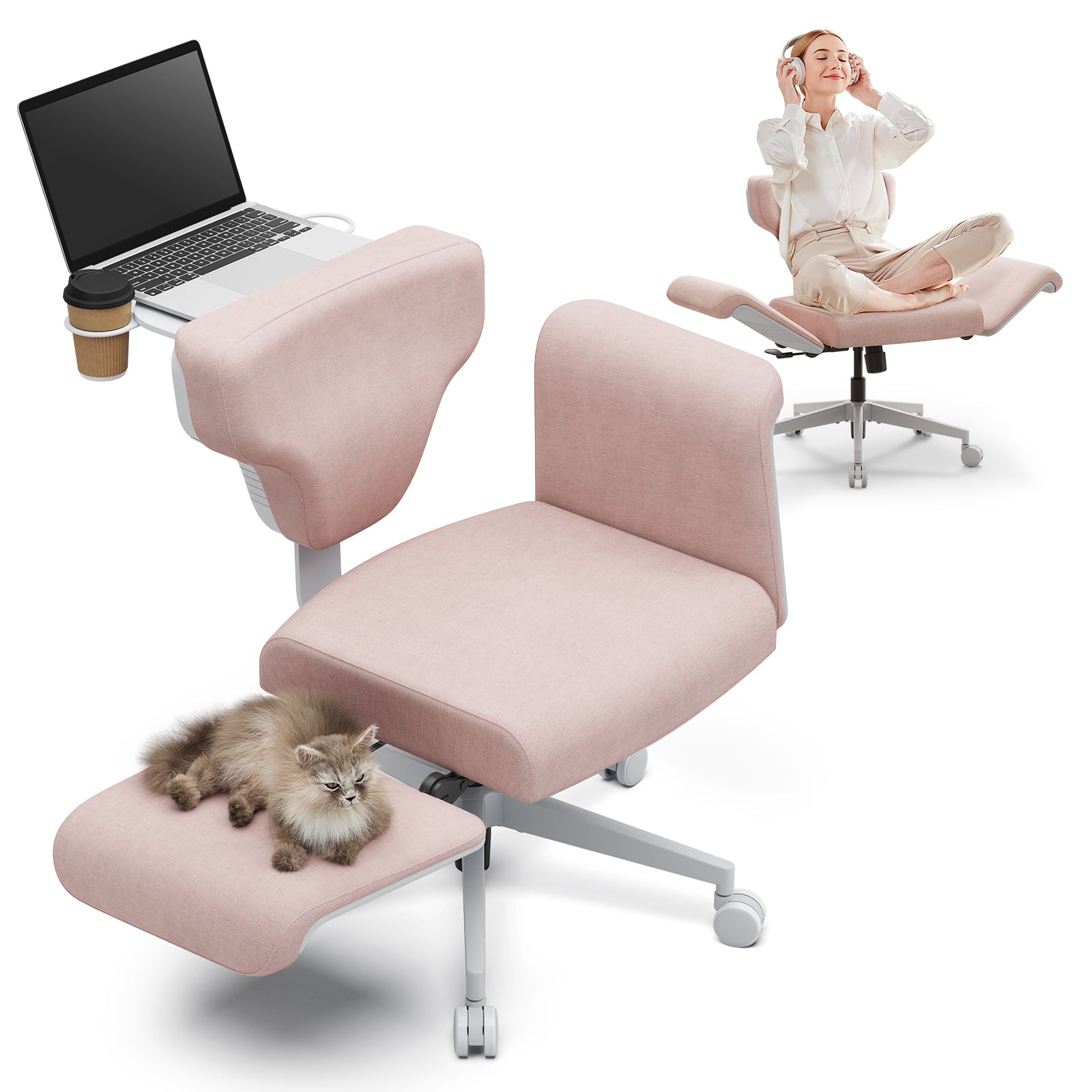
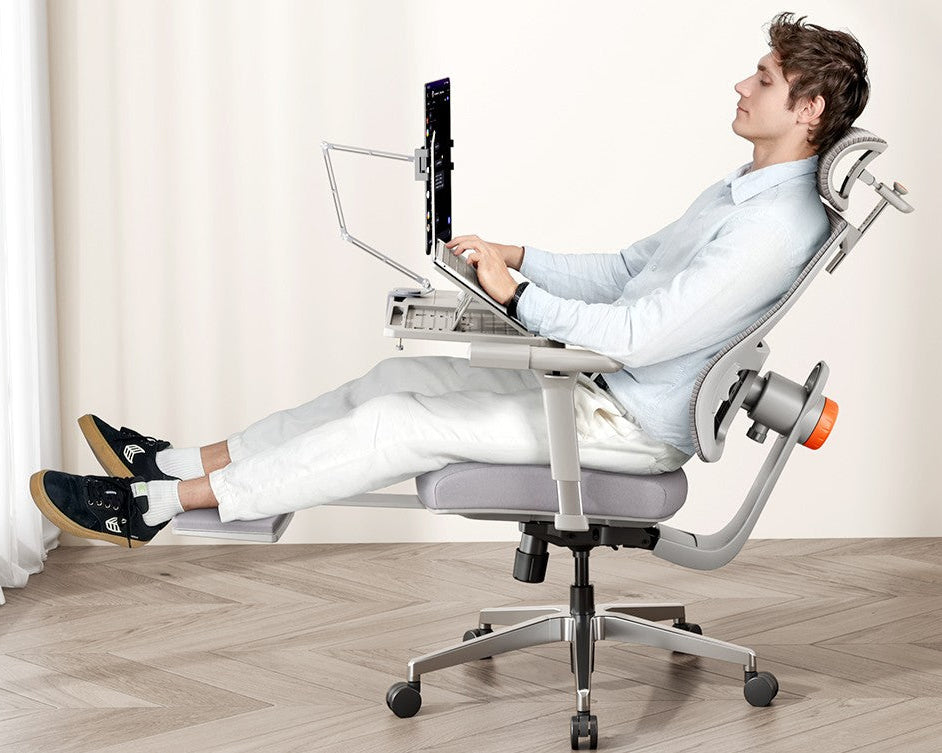
A good chair for backache relief shouldn't just hold one part of your back — it should move with your whole spine. Industry ergonomics guidelines commonly recommend a deeper recline of 115°–135° specifically for recovery and relaxation. Magic-H Bpro's auto-following backrest adjusts continuously from upright focus to full recline within that range, acting as a recliner chair for back problems that lets tense muscles truly release.
Testimonials
Magic-H BPRO
Got this as a birthday gift for my girlfriend who works from home. She'd been using a falling-apart office store chair for years. The day this arrived, she actually got emotional explaining how comfortable it was. The pain in her legs and back was gone, and a month later she's still working pain-free at her desk.
NT Series
I have chronic lower back issues and finally feel like I found a chair that actually adjusts with me instead of fighting me. Love the tiltback and the footrest, both genuinely help on long work days. Super comfortable overall.
Standing Mate
Due to back issues, sitting for long periods at my desk has always been difficult. I was specifically looking for a chair that works both sitting and standing, since I stand most of the day anyway. This has been exactly what I needed, and I've already recommended it to a few coworkers dealing with the same thing.
Blogs About Office Chairs for Bad Backs
Are Gaming Chairs Good for Your Back? The Real Answer
A well-fitted ergonomic gaming chair can
better align your spine better than a random budget seat.
Can a Synchronous Recline Chair Help Reduce Back Pain?
Discover how synchronous recline promotes healthy posture, maintaining your spine alignment, and helps reduce lower back strain.

Why Ergonomic Chairs Are Best for Your Lower Back 2025
Here today, we have brought some of the best reasons why ergonomic chairs are best for your lower back.
Firm vs Soft Chair: Which Is Better for Your Back and Posture?
Not all chairs keep your spine the same way. This guide explains the difference between firm and soft chairs, and which is better for long-term back health and posture.
FAQ
What is the best office chair for back problems and sore back?
The best office chair for back problems is one that promotes proper spinal alignment, offers good lumbar protection, and allows posture changes throughout the day.
NEWTRAL ergonomic chairs are designed to
maintain the natural curve of the spine in different positions—sitting, leaning, or reclining—helping reduce pressure on the lower back during long hours of work.
What actually causes discomfort from sitting at a desk all day?
It's usually a mix of staying in one position too long, a seat that doesn't move with you, and uneven pressure on your hips and spine. Even a "correct" posture gets tiring after hours without any adjustment.
How do I know if my chair is the problem?
A few signs: you feel better the moment you stand up, the soreness builds as the day goes on, or you keep shifting and slouching to get comfortable. If a different chair doesn't help after a few weeks, it's worth seeing a doctor too.
Are ergonomic chairs good for bad backs and backache?
Yes, ergonomic chairs can help improve comfort for people with back starin by encouraging better posture and reducing pressure on the lower back.
NEWTRAL ergonomic chairs enable dynamic sitting and adaptive lumbar comfort, helping reduce stiffness and discomfort from long periods of sitting.
They are not a medical treatment, but a helpful tool for improving daily sitting comfort.
Does switching between sitting and standing actually help?
Yes. Staying in any one position too long adds strain, whether you're sitting or standing. Alternating between the two spreads that load out instead of concentrating it.