

Table of Contents
A chair can quietly shape your workday. For many adults with ADHD, the right one does more than support posture. It makes movement easier, reduces physical irritation, and helps attention last a little longer.
Signs of a Poor Fit
Before you compare features or browse product pages, it helps to notice what your current chair is already telling you. Small frustrations often point to a bigger fit problem.
Fidgeting
Some fidgeting is normal. Constant, restless repositioning is not.
If you are always scooting forward, bouncing a leg, leaning to one side, or standing up just to reset your body, your chair may be asking for more stillness than feels natural. That tension adds up. Instead of helping you settle into work, the chair becomes another source of distraction.
A better chair does not force you to stay frozen. It gives you room to move without losing support.
Cross Legged Sitting
Many adults naturally sit cross legged, tuck one leg under, or shift into unusual positions throughout the day. That habit is not random. Often, it is your body looking for comfort, pressure relief, or a more grounded feeling.
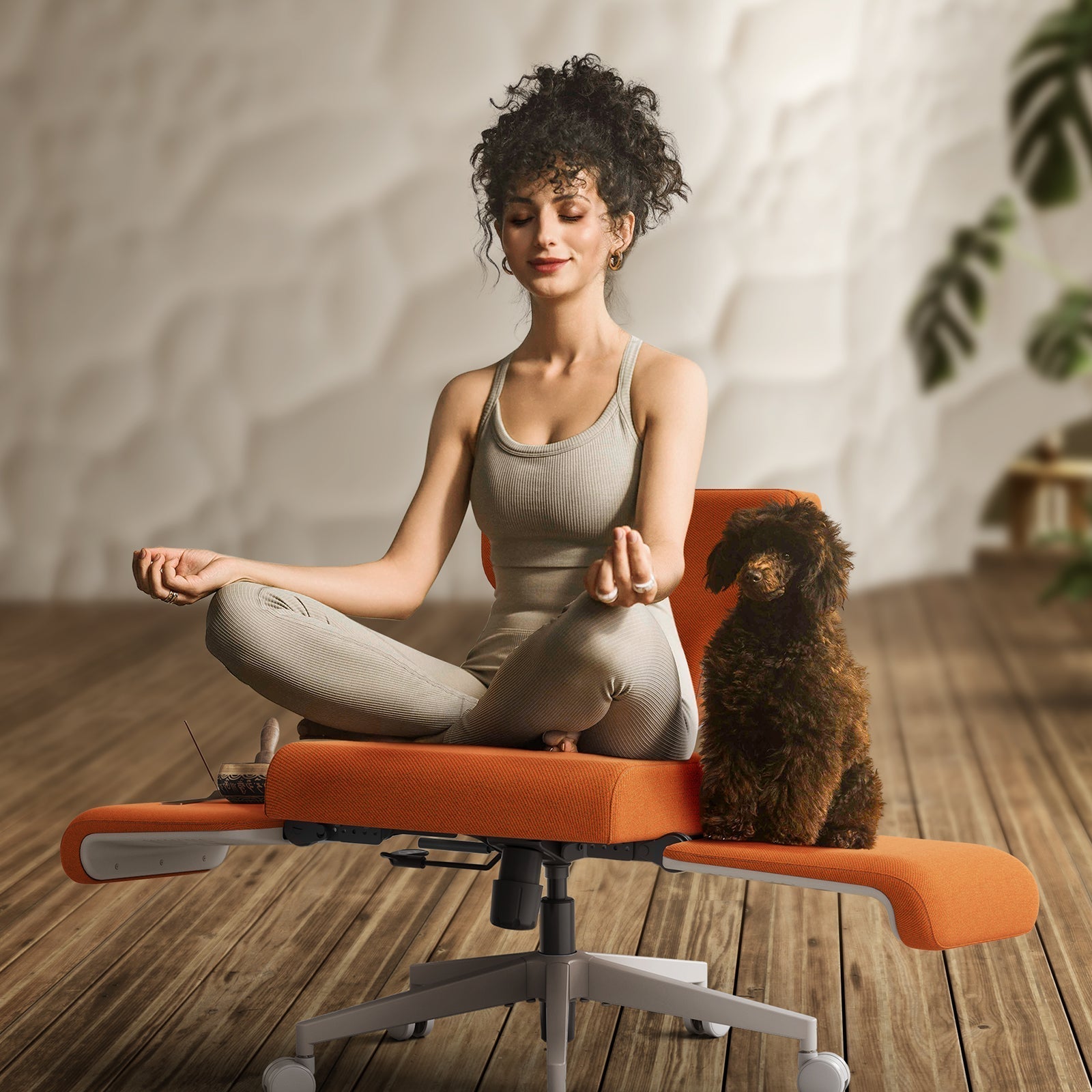
When you find yourself doing this often, a narrow or rigid seat may be part of the issue. In that case, a multi-position option can make more sense than a standard task chair.
The Newtral Freedom-X Multi-Position Pro Chair fits this need well. It is designed for varied sitting positions, including cross legged sitting, which makes it a strong match for adults who shift posture frequently instead of staying in one fixed position.

Back or Hip Pain
Pain does not have to be severe to matter.
Sometimes it shows up as a dull lower back ache, tight hips, or pressure under the thighs after an hour or two at your desk. That kind of discomfort breaks concentration fast. You adjust. You pause. You get up. Then the whole work rhythm starts to unravel.
When this happens regularly, the problem may be poor seat depth, weak back support, or a chair shape that simply does not fit the way you sit.
Trouble Focusing
ADHD is not caused by a chair, of course. But the wrong chair can make focus harder than it needs to be.
If you are constantly aware of your body, shifting to get comfortable, or feeling irritated by your seat, attention gets pulled away from the task in front of you. A good chair will not solve everything. Still, it can remove one steady source of friction.
Key Features
Once you know what is not working, the next step is choosing features that actually address the problem.
|
Need |
What to Look For |
Why It Helps |
|
Frequent movement |
Tilt, flexible positioning, room to shift |
Supports motion without making the chair feel unstable |
|
Back discomfort |
Responsive lumbar support and recline |
Reduces strain during longer work sessions |
|
Unconventional sitting habits |
Wider seat or multi-position design |
Makes posture changes easier and more comfortable |
|
All-day use |
Adjustable height, armrests, seat depth |
Improves fit across different tasks and energy levels |
Movement Support
For many adults with ADHD, movement is part of staying engaged. That does not mean the chair should feel loose or unstable. It means the chair should allow natural micro-movements, posture changes, and small resets without turning every shift into a struggle.
That balance matters. Too little movement can feel restrictive. Too much instability can become distracting.
Back Support
Back support should feel responsive, not rigid.
You want a chair that supports the lower back while still allowing you to change position throughout the day. That is especially important for adults who spend long hours at a desk but do not sit in one textbook posture from morning to evening.
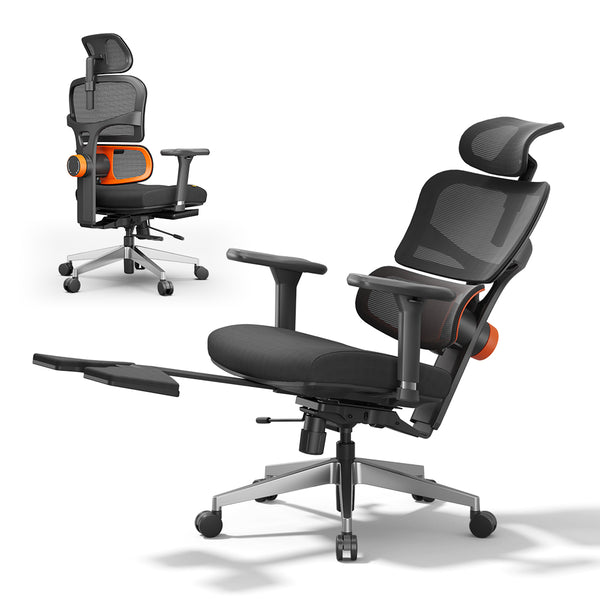
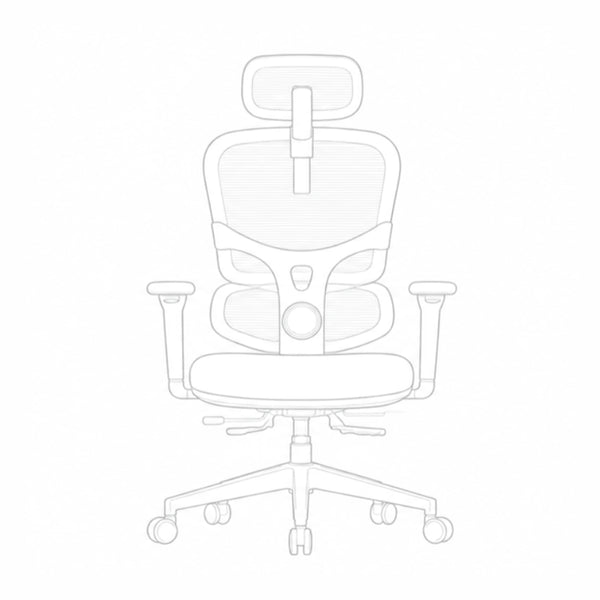
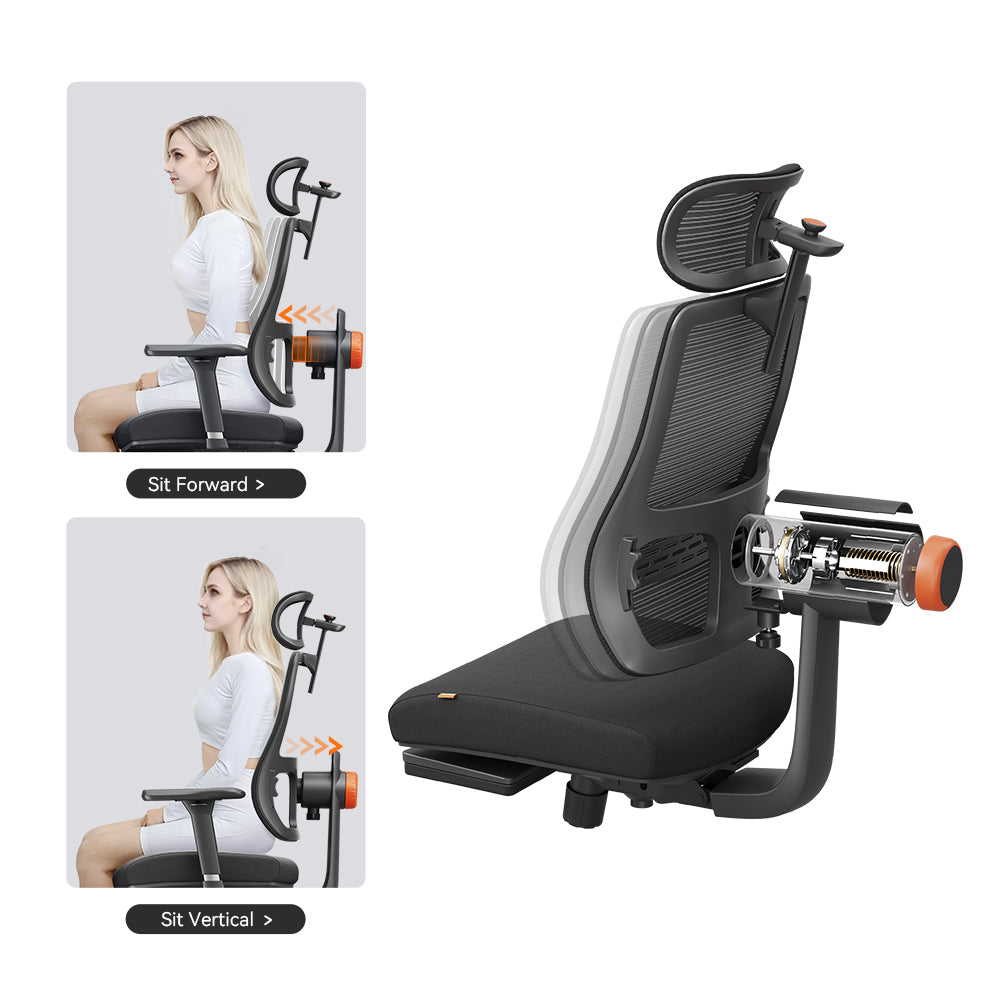
The Newtral NT002 Ergonomic Office Chair is a good example. It offers auto-following lumbar support, adjustable features, and a recline system that makes long sessions feel less punishing. For adults who need reliable support without feeling locked in place, that combination is practical.
blog18
Seat Space
Seat space is easy to overlook, but it makes a real difference.
A cramped seat can make even a well-built chair feel annoying after a short time. Adults who shift posture often usually need enough room to move without feeling squeezed at the hips or crowded at the thighs. The goal is not an oversized chair for the sake of it. The goal is a seat that matches your actual sitting habits.
Adjustability
This is one of the most important features in any office chair. It is also one of the most ignored.
Seat height, armrest position, recline tension, seat depth, and back height all shape how a chair feels over time. A chair with strong adjustability gives you options. That matters because your body may not want the same setup all day. Some hours call for upright support. Others call for a slightly more relaxed position.
Stability
A movement-friendly chair should still feel secure.
That means a solid base, predictable motion, and enough structure to support frequent repositioning without wobbling in an unhelpful way. Stability keeps movement useful. Without it, the chair can feel distracting instead of supportive.
Choose by Work Style
The best ADHD chair is not just about symptoms. It is also about how you work, how long you sit, and what kind of movement feels natural to you.
Long Desk Work
If you spend most of your day at a desk, you need more than a chair that feels good for twenty minutes. You need one that can support several hours of focused work without creating new aches or restlessness.
That usually means better back support, a useful recline range, a supportive headrest, and some way to reduce leg fatigue during long sessions.
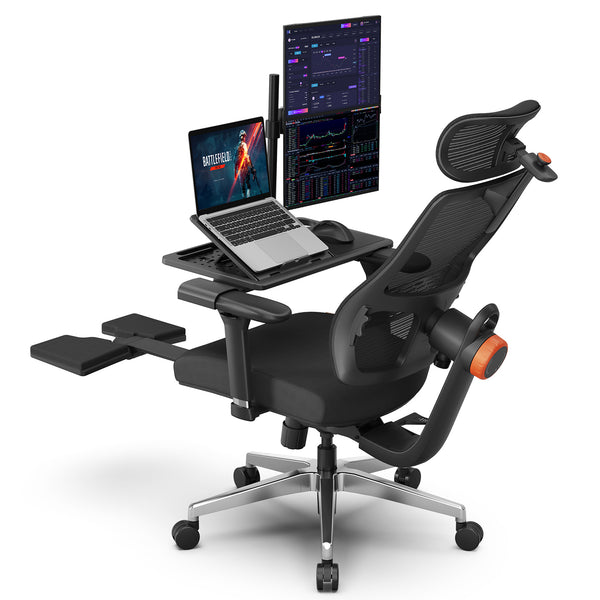
The Newtral Magic H Ergonomic Office Chair is well suited to this kind of work. Its combination of back support, adjustability, and foot support makes it a strong choice for adults who spend long stretches doing computer-based work.
Blog18

Flexible Sitting
Some adults work best when they can change posture often. They lean forward to type, sit cross legged while reading, recline while thinking, then shift again without even noticing. For this person, a traditional office chair may feel too restrictive.
A better fit is often a chair that allows movement and varied sitting positions without sacrificing support. This is where wide seats and multi-position designs become more useful than a standard, fixed-feel office chair.
Home Office Use
Home office setups often ask one chair to do everything. Work meetings. Deep-focus tasks. Casual browsing. Quick breaks. That is why range matters.
For home use, look closely at adjustability, comfort across multiple postures, and whether the chair still feels supportive when you are not sitting perfectly upright. A chair that works only in one ideal posture tends to feel limiting at home.
Conclusion
The best ADHD chair for adults is not the most expensive or the most eye-catching. It is the one that fits your sitting habits, supports movement, and reduces the physical distractions that chip away at focus over the course of a workday.
blog18
Blog18
Blog18
Recommended reading:


Laisser un commentaire
Tous les commentaires sont modérés avant d'être publiés.
Ce site est protégé par hCaptcha, et la Politique de confidentialité et les Conditions de service de hCaptcha s’appliquent.