
Table of Contents
Sciatica has a way of following you home. You sit down to relax after a long day, and within minutes that familiar ache starts radiating from your lower back down through your leg. Often the problem isn't your body. It's the chair underneath you. Most living room seating is built for looks and softness rather than spinal support, and that combination can quietly make sciatica worse.
This guide explains how the right living room chair eases pressure on the nerve, which chair types actually help, and how to sit in a way that keeps flare-ups at bay.
How Your Living Room Chair Affects Sciatica?
Why Relaxed Sitting Can Still Trigger Pain
It feels logical that lounging would give your body a break, but a deeply cushioned sofa or a plush accent chair often does the opposite. When you sink into soft seating, your hips drop below your knees and your lower spine rounds into a C shape. That posture compresses the discs and tissue around the sciatic nerve roots, which is exactly what sets off the radiating pain.
The softer and more shapeless the chair, the less your spine is held in its natural curve. So you can be perfectly still, even half asleep in front of the TV, and still put steady pressure on the nerve.

Living Room vs. Office Chair
People with sciatica often invest in a good office chair, then wonder why the evening still hurts. The two settings have very different demands:
- An office chair keeps you upright and active at a desk.
- A living room chair has to support longer, more reclined, more passive sitting, the kind you do while reading, watching a show, or chatting for an hour without moving.
That means a living room chair has to hold your lower back steady while you lean back, not just feel plush. For a closer look at desk seating, What Kind of Chair Is Best for Sciatica Nerve Pain? covers the office side in detail.

Best Chair Types for Sciatica
The right chair depends on how you sit and what your body needs. What matters across every type is the same: real lumbar support, a proper fit, and medium-firm cushioning. The options below are organized by how people commonly use them, not ranked from worst to best.
|
Chair Type |
Why It Can Help Sciatica |
What to Watch For |
|
Recliners |
Reclining shifts weight off the lower spine and opens the hip angle, easing nerve pressure |
Cheaper models often lack real lumbar support and let you slump |
|
Zero-Gravity Chairs |
Raising the legs toward heart level spreads body weight evenly and decompresses the spine |
Bulky footprint and not always easy to get in and out of |
|
Wingback Chairs |
A tall, upright back encourages good posture and keeps the spine aligned |
The fixed upright position can feel stiff during long lounging |
|
Lift Chairs |
A powered base assists standing, protecting the back during the painful sit-to-stand moment |
Larger size and higher price; best when mobility is a real concern |
|
Ergonomic Lounge Chairs |
Built-in lumbar support plus adjustable posture in a living room friendly form |
Quality varies widely, so support features matter more than the look |
Recliners
A good recliner can be one of the most supportive seats in the house, because reclining slightly past upright lifts load off the lumbar discs. Softness alone doesn't help, though. Look for a recliner with firm lumbar support and a recline angle between 110 and 135 degrees, which ergonomists generally point to as the sweet spot for reducing spinal pressure.
Zero-Gravity Chairs
Zero-gravity chairs recline you into a position where your knees sit slightly above your heart. This neutral posture distributes your weight across the whole chair instead of concentrating it on your lower back and buttocks. During an acute flare-up, many people find this the most relieving way to sit. The trade-off is space, since these chairs are large and rarely the most elegant living room piece.

Wingback Chairs
Wingbacks are a living room classic, and their tall, structured backs naturally promote upright posture. That alignment helps keep the lumbar curve intact, which protects the nerve. Because they don't recline, they suit reading or conversation better than long, relaxed lounging. Adding a small lumbar cushion makes a wingback far more comfortable for sensitive backs.

Lift Chairs
For seniors, or anyone whose sciatica makes standing painful, a lift chair is worth serious consideration. The powered base gently raises you toward standing, removing the sharp strain that the sit-to-stand transition places on the lower back. Many lift chairs also recline, offering support in both directions.
Ergonomic Lounge Chairs
This is the category most people overlook. An ergonomic lounge chair brings the support engineering of an office chair into a relaxed, living-room-appropriate design, so you get adjustable comfort without giving up spinal alignment. For sciatica, it is often the most practical middle ground, and it is where the top pick below lands.
Top Pick: Newtral Freedom-X Pro Chair
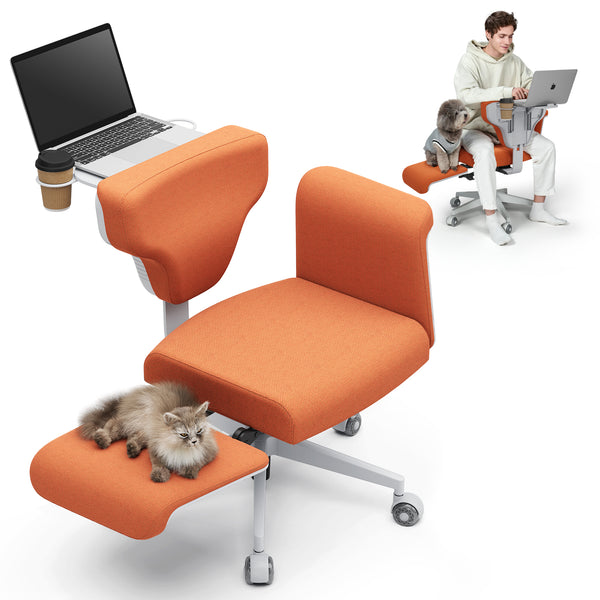
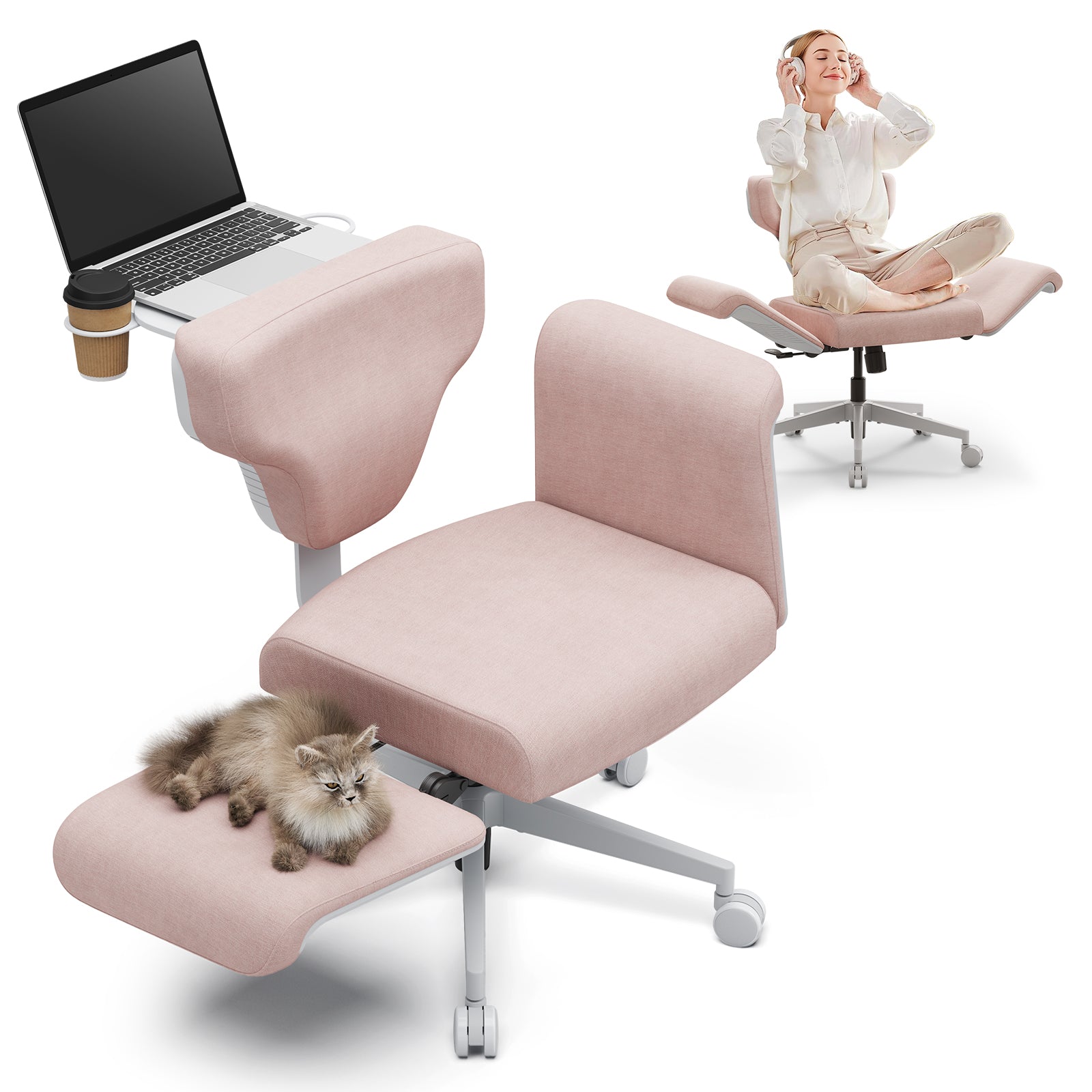
For a chair that genuinely supports the lower back yet still belongs in a living room rather than a cubicle, Newtral’s living room chair for sciatica, Freedom-X Multi-Posture Pro Chair, is a standout. It is designed as a home chair first, with a clean, modern look that suits a living room and the adjustability to back it up.
Blog18
Why It Works for Sciatica
The Freedom-X lines up with the criteria that matter most for the sciatic nerve:
-
Lockable recline that offloads the lower back. The backrest tilts from 90 degrees upright back to 117 degrees and locks in three positions, so you can settle into a reclined posture that lifts pressure off the lumbar discs and holds it there instead of drifting forward into a slump.
-
Adjustable fit for your hips and spine. Seat depth adjusts by about 2.4 inches and backrest height by 3 inches, so you can set the seat to avoid digging into the backs of your knees and place the back support where your spine actually needs it.
-
High-rebound foam that resists sinking. The high-density cushion spreads body weight evenly and is built to ease pressure on the pelvis, the exact area where the sciatic nerve passes through, during long reclined or cross-legged sits.
-
Multi-posture design that keeps you moving. Upright, reclined, and cross-legged options, plus 8-level adjustable armrests, encourage the regular position changes that stop nerve pressure from building up.
-
A stable base for every body. A steel five-star base rated to 330 pounds keeps the chair steady across a wide range of body sizes.
The chair is also backed by independent SGS and BIFMA test reports, so its support structure is verified rather than simply marketed.
HSA/FSA Eligibility for US Buyers
Here is a detail many shoppers miss. Because sciatica is a recognized medical condition, an ergonomic chair bought to relieve it may qualify for reimbursement through an HSA or FSA. Eligibility is governed by IRS rules on medical expenses, outlined in IRS Publication 502, and final approval depends on the specific plan.
A step-by-step walkthrough of the receipts and documentation needed is available in this HSA/FSA reimbursement guide. For US buyers, using pre-tax dollars can make a supportive chair noticeably more affordable.

How to Sit in a Living Room Chair with Sciatica
Posture Tips for Sciatica Relief
Even the best chair won't help if you fold yourself into it. Keep these habits in mind:
- Sit with your back against the backrest so the lumbar support reaches your lower spine.
- Keep your hips level with or slightly above your knees.
- Support both feet on the floor or a footrest rather than letting them dangle.
- When reclining, lean fully into the support instead of perching on the edge of the seat.
How Long Should You Sit
Stillness is the hidden enemy. Sitting compresses the spine far more than standing does, and holding any single position too long lets pressure build on the nerve. Aim to change position or stand up every 30 to 45 minutes, even if it is only a brief stretch. Movement keeps the tissue around the sciatic nerve from staying compressed.
Helpful Add-Ons (Footrests, Lumbar Pillows)
You don't always need a new chair to feel better. A few inexpensive additions can transform seating you already own.
|
Add-On |
What It Does |
|
Lumbar pillow |
Fills the gap behind your lower back to restore the natural spinal curve |
|
Footrest or ottoman |
Keeps feet supported and hips at a healthy angle, reducing nerve strain |
|
Medium-firm seat cushion |
Prevents sinking and eases pressure points under the buttocks |

Who Needs Extra Consideration
Seniors with Sciatica
Older adults often deal with sciatica alongside reduced mobility, so the act of standing up matters as much as the sitting itself. Lift chairs and recliners with sturdy, supportive frames are usually the best fit. Easy-to-reach controls and a stable base also help avoid the twisting and bending that aggravate the nerve.
Pregnant Women
Pregnancy raises sciatica risk because of added weight and shifting posture. Look for a wider seat that comfortably accommodates a growing belly, paired with gentle rather than firm lumbar support so nothing presses on the abdomen. A reclined position with the feet slightly elevated can take meaningful pressure off the lower back during the later months.
In Summary
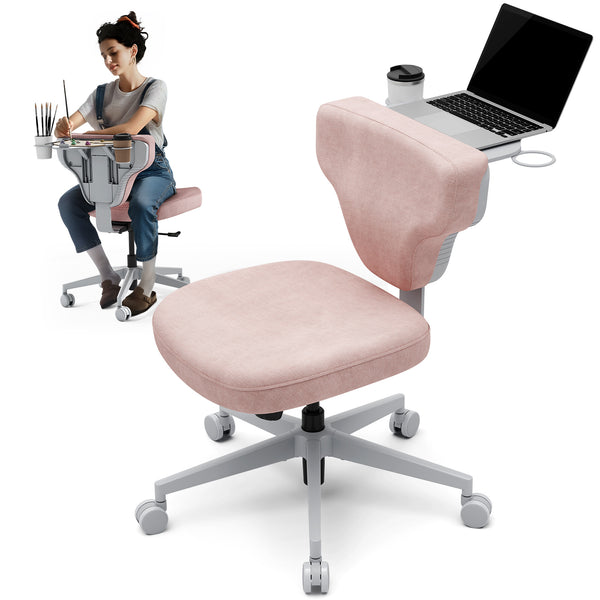
The best living room chair for sciatica pairs real lumbar support with relaxed, adjustable comfort. Skip the deep-sink sofa, favor supported recline, move often, and consider an ergonomic lounge chair like the Newtral Freedom-X to protect your lower back at home.
Blog18
FAQs
Is a Massage Chair Good for Sciatica?
A massage chair can offer temporary relief by loosening tight muscles around the lower back and hips, which sometimes eases pressure on the nerve. It is a comfort tool rather than a fix. Lasting help still depends on proper posture and lumbar support, so treat massage as a supplement to a well-designed chair, not a replacement for one.
Can a Bad Chair Cause Sciatica?
A poorly designed chair rarely creates sciatica on its own, but it can absolutely trigger and worsen it. Seating that lets your spine slump compresses the discs and tissue around the sciatic nerve, which can set off symptoms or turn mild discomfort into a full flare-up. Over time, hours in unsupportive chairs reinforce the poor posture that aggravates the nerve.
Is a Zero Gravity Chair Good for Sciatica?
Yes, especially during a flare-up. The reclined, legs-raised position takes pressure off the lumbar spine and spreads your body weight evenly, which helps calm the irritated nerve. The main drawbacks are size and the effort of getting in and out, so a zero-gravity chair works best as a dedicated relief spot rather than your only everyday seat.
Is a Hard or Soft Chair Better for Sciatica?
Neither extreme works well. A chair that is too soft lets you sink and rounds your spine, while a chair that is too hard creates pressure points right where the sciatic nerve passes through the buttocks. The sweet spot is medium-firm, which holds your hips in place and keeps your spine aligned while staying comfortable for long sits.




Laisser un commentaire
Tous les commentaires sont modérés avant d'être publiés.
Ce site est protégé par hCaptcha, et la Politique de confidentialité et les Conditions de service de hCaptcha s’appliquent.