
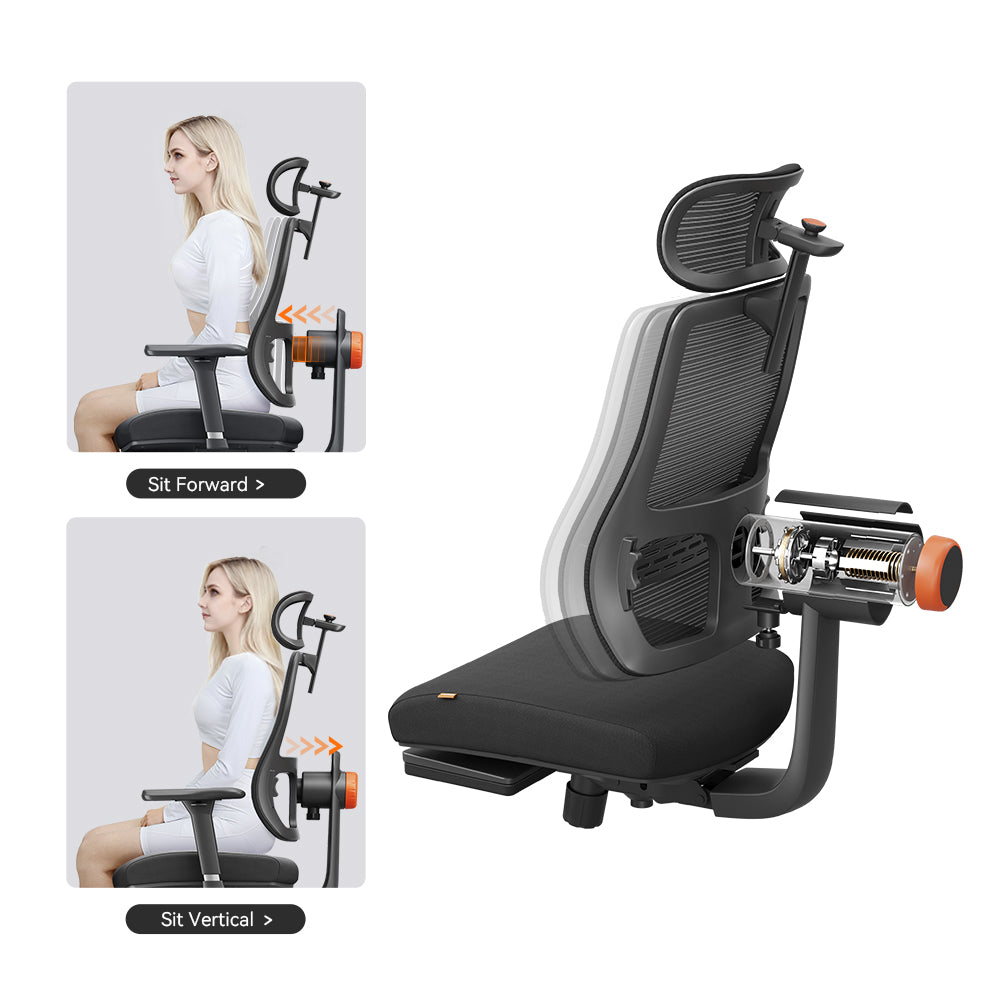
A chair can look ergonomic in the product photos and still feel wrong the moment a shorter user sits down. That is the real problem. Many office chairs are built around more average body dimensions, so the seat may sit too high, the seat pan may feel too long, and the lumbar support may land above the lower back instead of supporting it. When those details are off, comfort drops quickly.
Seat Height
Seat height is usually the first thing a short person notices, and it should be one of the first things you check when comparing chairs. When a chair does not go low enough, your feet cannot stay planted comfortably, your thighs may take too much pressure, and your body starts making small adjustments just to stay balanced. Those adjustments seem minor at first. After hours of work, they are not.
A lower minimum seat height makes it easier to sit with proper support through the hips and legs while staying close enough to the desk to work comfortably. That is a basic part of ergonomic fit, not a bonus feature.
How Seat Height Affects Comfort?
A footrest can still improve the setup even when the chair itself adjusts fairly low. Desk height, leg length, footwear, and overall body proportions all affect how stable the seated position feels. Some short users technically fit the chair, but they still feel more grounded when their feet rest on a firm, consistent surface.
That extra support can reduce strain through the lower back and help maintain a steadier sitting posture during longer work sessions. It should not be used to rescue a poorly fitting chair, though. It works best when the chair already offers a reasonably low minimum seat height.
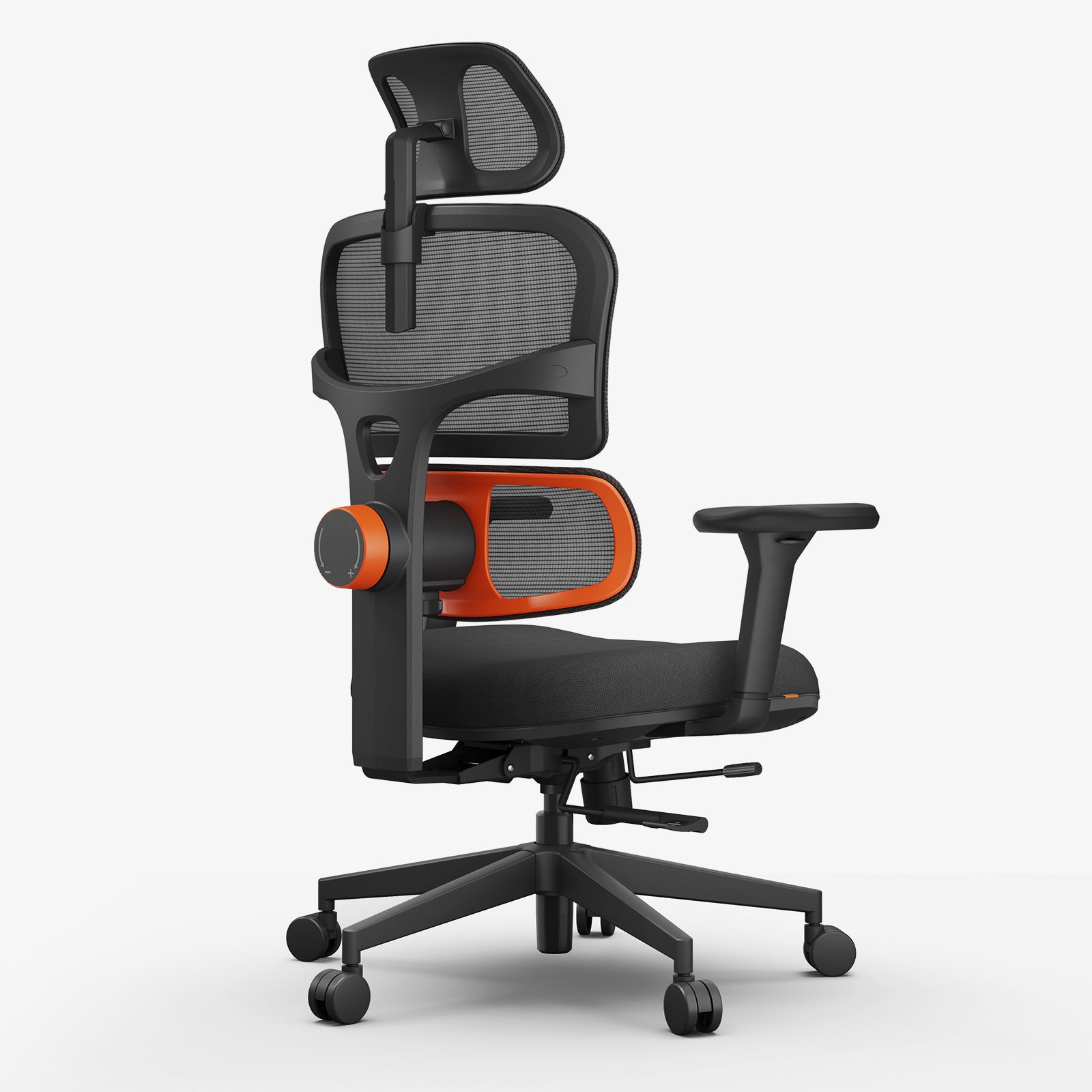
A practical model to consider at this stage is the Newtral Magic H Ergonomic Office Chair. It makes sense for shorter users who want a chair that feels easier to scale to a smaller frame rather than one that simply offers a long list of adjustments without solving the basic seat height issue.

Seat Depth
Seat depth is one of the most overlooked parts of chair fit, and for a short person, it can make or break the experience. A chair may seem acceptable at first because the seat height is manageable, but once you sit back properly, the front edge may press into the backs of your knees. Now the chair no longer supports you the way it should.
That is where many fit problems begin. The user slides forward to create leg clearance, then loses contact with the backrest, and then the lumbar support stops helping. One mismatch creates several others.
How Seat Depth Affects Fit?
A seat slider gives you the ability to shorten the usable seat depth instead of being stuck with one fixed dimension. That matters because shorter users often need a shallower sitting position to stay supported by the backrest without crowding the legs.
It is a small feature with a big payoff. In many cases, it is the difference between a chair that feels almost usable and one that actually fits.
Why a Deep Seat Causes Problems
A deep seat usually pushes a short user into compromise. You either sit all the way back and feel pressure behind the knees, or you move forward and lose proper back support. Neither option is good.
That is why seat depth deserves the same attention as seat height. In fact, for some shorter users, it matters even more. A chair can be low enough and still feel oversized because the seat is simply too long for the body using it.
Back Support
Back support should fit the user, not just sound impressive in the specs. A short person often has a shorter torso as well, which means the position of the backrest and lumbar area becomes especially important. When those support points sit too high, the chair may feel bulky rather than helpful.
A well-fitted backrest usually feels quiet. You do not have to fight it. You do not keep shifting around to find the right contact point. It simply supports the body where support is needed.
How Back Support Should Fit?
Back height affects more than appearance. It influences where the chair meets your upper back, how naturally your spine rests against the backrest, and whether the overall shape of the chair feels proportionate to your body.
When the chair is built for a larger frame, the upper portion can feel oversized while the support zone misses the lower back. That mismatch often makes a chair feel less ergonomic in real use than it looked online.
How Lumbar Support Should Line Up?
Lumbar support should sit against the natural inward curve of the lower back. Not above it. Not too low. When it lines up properly, it helps the user stay supported without forcing an awkward posture.
For short users, this is a common weak point in standard office chairs. Some models advertise strong lumbar support, but strength is not the same as correct placement. The real question is whether the support meets your body in the right spot when you are seated fully against the backrest.
The Newtral NT002 Ergonomic Office Chair fits naturally into this part of the discussion because it is better suited to buyers who care about back fit, support response, and a more adjustable ergonomic profile. For shorter users who want a chair that feels more refined in the support area, it is a sensible option to consider.

Armrests
Armrests may seem secondary compared with seat height or seat depth, but they still affect daily comfort in a big way. Poorly positioned armrests can push the shoulders upward, pull the elbows too far out, or make desk work feel cramped even when the rest of the chair seems acceptable.
How Armrests Affect Comfort?
For a short person, armrests that sit too high often create constant shoulder tension. It may not feel severe at first, but after a few hours of typing, writing, or using a mouse, the strain becomes much more noticeable.
The goal is simple. Your shoulders should stay relaxed, and your elbows should rest comfortably without being lifted or forced outward.
Which Adjustments Help Most
Height adjustment is the first thing to look for, but it should not be the only one. Armrests that also move inward, outward, forward, or backward give shorter users more flexibility, especially when desk depth, keyboard placement, and body width vary from one setup to another.
More adjustment is not automatically better. Useful adjustment is better. The best armrests support a natural working position without drawing attention to themselves.
Key Features to Look For
Some chair features sound impressive in marketing copy but do very little for actual fit. Others are plain and practical, yet far more important. For a short person, the following features deserve the most attention.
|
Feature |
Why It Matters for Short Users |
|
Low seat height range |
Helps keep the feet supported and reduces pressure through the legs |
|
Seat depth adjustment |
Makes it easier to sit back fully without the seat feeling too long |
|
Adjustable lumbar support |
Improves alignment for a shorter torso |
|
Adjustable armrests |
Helps prevent raised shoulders and awkward elbow angles |
Low Seat Height Range
This is one of the most important filters. A chair that cannot go low enough will always feel like a compromise, no matter how advanced the rest of the design may be.
Seat Depth Adjustment
Seat depth adjustment gives shorter users better control over fit. One fixed seat depth does not work for every body, and this feature helps close that gap.
Adjustable Lumbar Support
Lumbar support should support rather than poke or push. Adjustment makes it easier to place the support where it actually helps.
Adjustable Armrests
Shorter users often need a more specific arm position than taller users do. Adjustable armrests make it easier to match the chair to the desk setup and the user’s frame.
How to Tell a Chair Is Too Big for Short People
Sometimes the problem is obvious right away. Other times, the chair seems fine for a day or two and then the body starts sending clearer signals. That is why fit should be judged by how the chair works in real sitting, not just by how comfortable it feels in the first few minutes.
Your Feet Do Not Stay Flat
This is one of the clearest warning signs. When your feet cannot stay flat and stable, the chair is likely too high, the desk setup is too demanding, or both.
The Seat Feels Too Deep
When you have to choose between sitting back fully and avoiding pressure behind the knees, the seat is too deep for you. That is not a small comfort issue. It changes the whole support pattern of the chair.
The Back Support Sits Too High
A chair may advertise lumbar support, but that means very little when the support lands above the lower back. For short users, this is a common sign that the chair was designed around a larger body frame.
Conclusion
Choosing an ergonomic office chair for a short person comes down to fit, not hype. A lower seat height, manageable seat depth, properly placed lumbar support, and useful armrest adjustment will do far more for comfort than a long feature list ever will. Focus on those essentials, compare the chair dimensions carefully, and place your order with confidence once the fit looks right.
Recommended reading:








Hinterlasse einen Kommentar
Alle Kommentare werden vor der Veröffentlichung geprüft.
Diese Website ist durch hCaptcha geschützt und es gelten die allgemeinen Geschäftsbedingungen und Datenschutzbestimmungen von hCaptcha.