
Table of Contents
To invest or not invest in an ergonomic chair is always a question that comes to mind for anyone who spends a significant amount of time in front of a desk. Even as climbing prices make the purchase look harder and harder, for most people who work seated, these chairs can still hold great value.
Let's discuss the features of an ergonomic chair and how to find the right one for you. Let’s jump right in without further fanfare.
What Exactly Is an "Ergonomic" Office Chair?
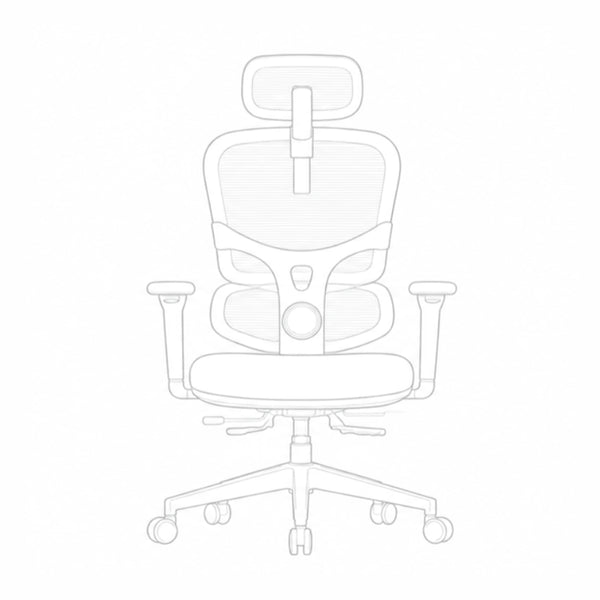
An ergonomic office chair should adapt to you with seat height, lumbar support, armrests, and tilt tension, you name it. These customization features set them apart from standard office chairs. That flexibility cuts joint pressure, plus it helps you hold better alignment without constant effort.
Picture it less as a rigid frame, more as a tool that moves with your body. The aim is even weight distribution, lower muscle tension, along with small movements that keep stiffness at bay. Padding by itself never delivers this benefit. The value comes from how much freedom these chairs have in terms of adjustments to fit your proportions and work habits.
Are Ergonomic Office Chairs Worth the Investment?
For most desk workers, sitting four to six hours a day already makes this upgrade worthwhile. Ordinary chairs tend to cause pain, tightness, or sluggish circulation in the legs. Those issues build quietly over weeks or even months, and eventually drag down your work plus how you feel once you step away from the desk.
The purchase looks reasonable once you weigh long-term health next to everyday comfort. Physical therapists routinely suggest decent chairs for desk-job clients. Not a luxury item, but preventive care. Besides, a solid chair usually endures for years. That drops the daily cost far below what chronic pain or doctor appointments eventually demand.

The Core Features: What to Look For
True ergonomics means a chair that fits you, not just feels soft. The adjustments below are essential to align your body and cut daily strain.
1. Adjustable Seat Height
Your feet should be flat on the floor, with your knees at or slightly below hip level. The adjustment of the seat height is necessary to have the correct leg position and circulation.
2. Seat Depth and the "Two-Finger Rule"
Between your seat and your knee, you should have approximately two fingers' distance. This helps to avoid pressure behind the knees and helps your thighs maintain a proper position.
3. Dynamic Lumbar Support
The ergonomic chair has a customizable lumbar system that mirrors the spine’s natural "S" curve. Dynamic support doesn’t lock you into one position, but moves with you.
Blog18
4. Backrest Recline and Tilt Tension
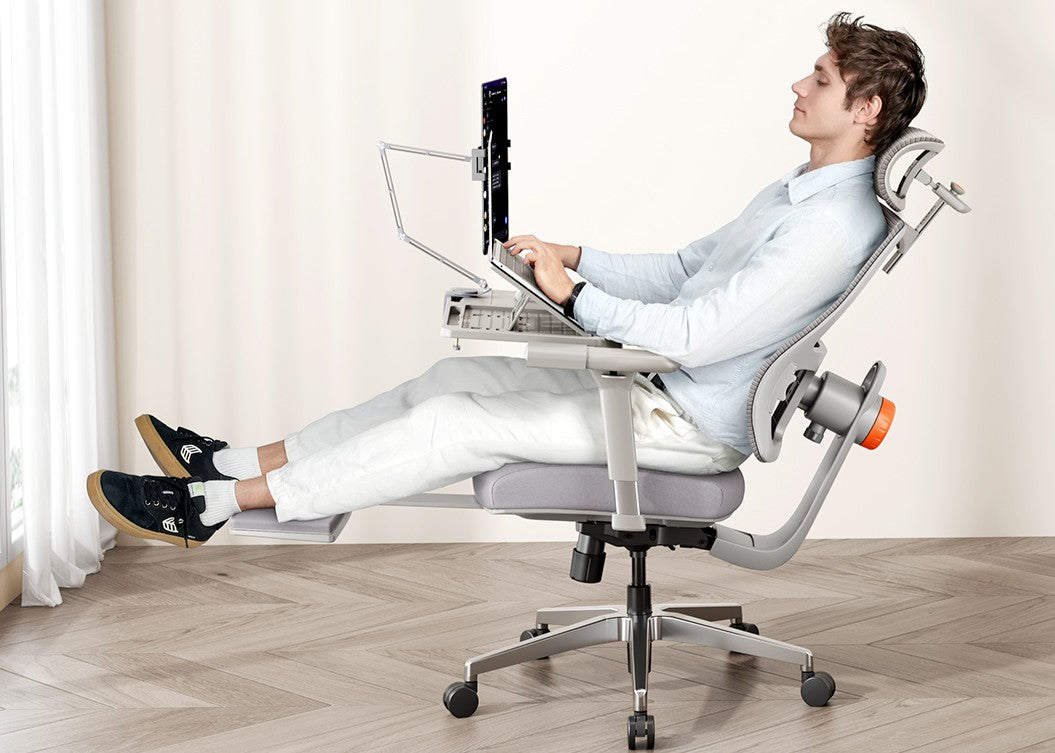
Recline and tilt tension let you lean back while keeping your spine supported in both focused and relaxed positions. A slight recline decreases the pressure in the spine when compared with sitting fully upright all day.
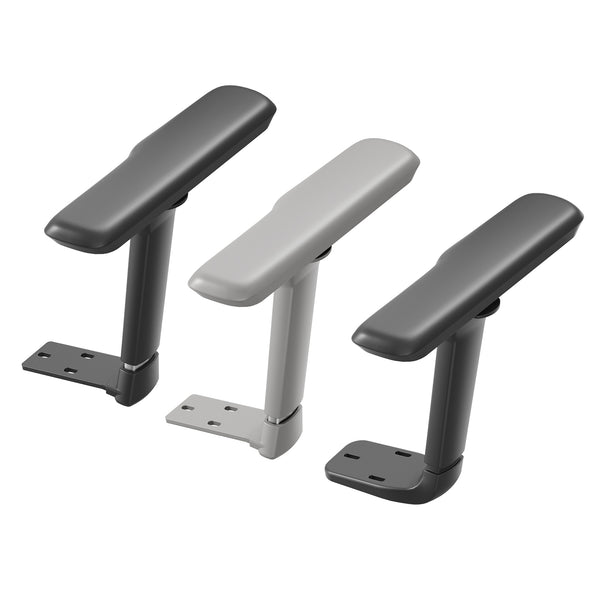
5. 3D or 4D Armrests
Armrests should be adjustable in height (up/down), move forward/back, and side-to-side. Adequate armrests will be placed so as to relieve the shoulder tensions and the stress on the wrist when typing and using the mouse.
6. Base Stability and Caster Types
A five-point base is essential for stability and safety. To be moved easily, soft casters are used on hard floors, and regular casters are used on carpets.
How to Choose the Best Chair for Your Body
Finding the right ergonomic chair starts with your body, not the showroom floor.
Measuring for Desk Compatibility
Before buying, check the desk height, available legroom, and clearance of the armrest beneath the desk. A well-designed chair tailors itself to your body's unique needs.
Weight Capacity and Build Quality
You should always select a chair that exceeds your body weight. Increased capacity normally means better material and hydraulics and a longer lifespan.
Material Choice: Mesh vs. Fabric vs. Leather
- Mesh: Highly breathable, long-lasting, and cool.
- Fabric: Soft and comfortable, although it can keep one warm.
- Leather or faux leather: Luxurious appearance, is easy to clean, but it is not that breathable.
This should be determined by your sitting time and climate.
Look for Warranties and Trial Periods
Brands of ergonomic chairs include warranties and test periods. This reflects confidence in the build quality and gives you an opportunity to try the real-world comfort.

Looking for a Reliable Ergonomic Chair Option?
If you need well-designed ergonomic chairs that balance adjustability, build quality, and lower back relief, here are two excellent options to consider.
Newtral NT002 Ergonomic Office Chair
The Newtral NT002 Ergonomic Office Chair is created to provide the user with full-day support and is simple. It has a lumbar support that is adjustable, breathable mesh back, and smooth slide control to alleviate pressure on the lower back when working long hours.
This chair can be used in homes and work stations where comfort, reliability, and value are the most important factors.
Newtral Magic H Ergonomic Office Chair
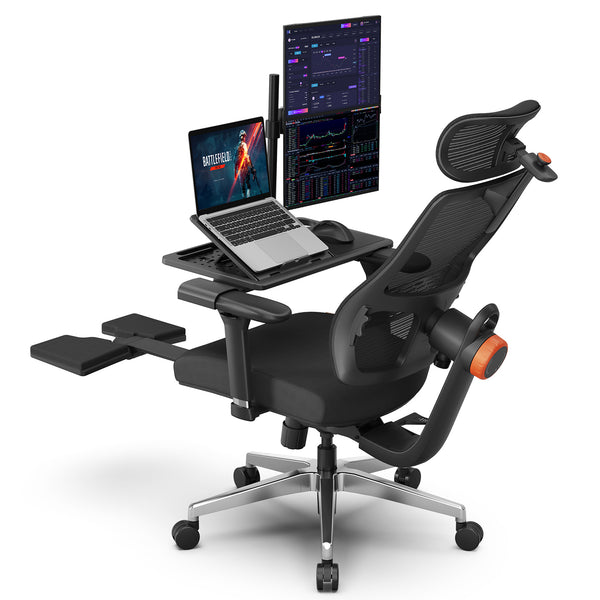
Newtral Magic H Ergonomic Office Chair offers advanced ergonomic customization for people who spend long hours seated.
Its active back-support system, multi-directional armrests, and extended recline range help encourage healthier posture throughout the day. Built for daily use, it features high-quality materials and reinforced structural support for long-term durability.
Both models prioritize full-body support, dynamic back support, and multiple adjustment points key features of a truly ergonomic sitting experience.
Blog18
Final Thoughts
An ergonomic chair no longer counts as a luxury in today’s work life, it stands as a smart investment in lasting comfort plus health. You gain through improved posture, far less discomfort, and sharper productivity over time.
The real aim? Skip the priciest model. Hunt instead for the chair that actually fits your body, your desk setup, and the rhythm of your daily routine.
Blog18

Frequently Asked Questions
I have a tight budget. What features matter most?
Highlight the adjustable seat height, lumbar support, and recline of the backrest. These have the best ergonomic benefits, even in mid-range chairs.
How many hours of sitting make an ergonomic chair "worth it"?
When you sit for four or more hours a day, then an ergonomic chair is likely a worthwhile investment. The more time you sit, the greater the return.
Will a better chair fix back, neck, or shoulder pain?
The excellent chair is not a medical treatment, yet it can help to diminish the strain and avoid the aggravation of pain. Still, proper posture, frequent breaks, and movement are necessary.
How do I know a chair fits me?
Ask yourself these questions, if your answers are all yes, then your chair suits you:
- Are your feet flat on the floor?
- Does your lower back feel supported?
- Are your arms resting without your shoulders raised?
- Can you recline while staying supported?
What is the "right" posture—should I sit perfectly upright all day?
No. Static upright sitting for hours is not ideal. A dynamic posture is healthiest. The slight reclining position with good lumbar support and frequent movements is healthier compared to sitting upright straight throughout the hours.
Further reading:





Hinterlasse einen Kommentar
Alle Kommentare werden vor der Veröffentlichung geprüft.
Diese Website ist durch hCaptcha geschützt und es gelten die allgemeinen Geschäftsbedingungen und Datenschutzbestimmungen von hCaptcha.