
Table of Contents
A tight lower back by mid afternoon, or hips that seem to tip forward no matter how you sit, are common signs of anterior pelvic tilt. It is one of the most frequent posture issues among people who spend long hours at a desk, and the chair you sit in plays a bigger role than most people realize. The right ergonomic chair helps bring the pelvis, spine, and hips back into a more natural alignment, while the wrong one can quietly make the problem worse.
This guide explains what anterior pelvic tilt is, why seating setup matters so much, and which chair features and models can support a healthier, more balanced sitting position.
What Is Anterior Pelvic Tilt?
Anterior pelvic tilt occurs when the top of the pelvis tips forward while the lower spine arches more than it should. It usually develops from a combination of weak abdominal and glute muscles paired with tight hip flexors. Long periods of sitting keep the hip flexors in a shortened position, and over time this muscular imbalance pulls the pelvis forward and increases the curve in the lower back.

How It Affects the Spine and Posture
Once the pelvis tilts forward, the lower spine compensates by arching further, which places extra pressure on the lumbar region. Left unaddressed, this added load can gradually affect how the hips and knees move as well, since the entire kinetic chain is connected.
Signs of Anterior Pelvic Tilt
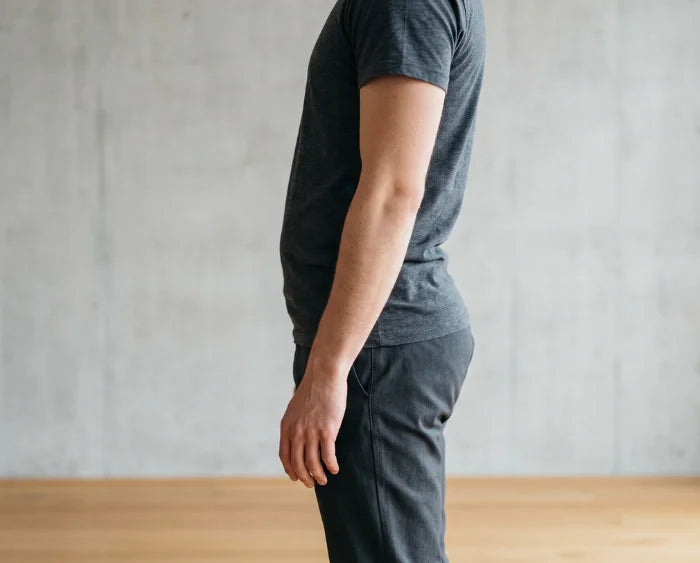
A few visible indicators to check for include:
- A noticeably arched lower back
- A stomach that appears to protrude even without excess weight
- Buttocks that appear pushed out or overly prominent
- Discomfort or fatigue in the lower back after sitting for extended periods
Standing sideways in front of a mirror can help confirm this. If the pelvis appears to tip forward, with the belly pushed out and the buttocks pushed back, that posture pattern is worth addressing.
Why Chair Choice Matters for Pelvic Tilt
A chair does more than provide a place to rest. It actively shapes how the pelvis and spine align for hours at a time, so its design has a direct effect on whether posture improves or worsens.
Role of Lumbar Support
Lumbar support fills the natural curve of the lower back and helps prevent it from collapsing or over arching. Without it, the lower back tends to round or overextend, both of which can reinforce anterior pelvic tilt over time. Adjustable or auto following lumbar support adapts to natural movement throughout the day instead of locking the back into one fixed position.
Seat Depth and Angle
The angle of the seat pan affects whether the hips sit level, tip forward, or tip back. A seat that is too deep can push the body into a slouched position, while a seat with a slight forward tilt option helps keep the hips higher than the knees, supporting a more neutral pelvic position.

Sitting Habits That Worsen the Condition
Slouching, sitting without back support, crossing the legs for long periods, and staying in one position for hours all place extra strain on muscles that are already imbalanced in anterior pelvic tilt. Even a well designed chair cannot fully offset habits like sitting on the edge of the seat or leaning toward a screen for hours at a stretch.
Key Features to Look For in a Chair
A few specific features make the biggest difference when choosing a chair for anterior pelvic tilt.
Adjustable Lumbar Support
Look for lumbar support that moves up, down, or in and out to match individual body shape rather than a generic average. Auto following lumbar support goes a step further, adjusting automatically as the body shifts position throughout the day.
Seat Tilt and Recline Function
Forward tilt and recline functions allow the hip angle to change throughout the day instead of staying locked into one posture. This kind of movement reduces the muscle fatigue that often makes pelvic tilt feel worse by the end of a workday.
Proper Seat Height and Footrest
The feet should rest flat on the floor with the knees roughly level with the hips. A chair that sits too high or too low throws off pelvic position no matter how good the lumbar support is. The ergonomic chair height calculator offers a useful starting point for finding the right chair height based on individual measurements.
Breathable and Supportive Cushioning
Firm but breathable cushioning distributes weight evenly across the hips and thighs, reducing the pressure points that often lead to slouching. Materials that trap heat can prompt frequent shifts in posture just to stay comfortable, which undermines the benefit of good lumbar and seat design.
Best Ergonomic Chairs for Anterior Pelvic Tilt
The following two chairs stand out for anterior pelvic tilt, each suited to a slightly different sitting style and budget.
Top Pick for Auto-Following Lumbar Support
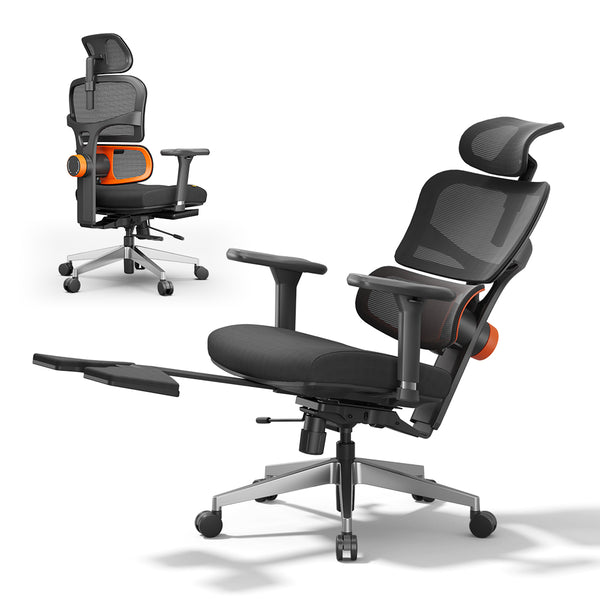
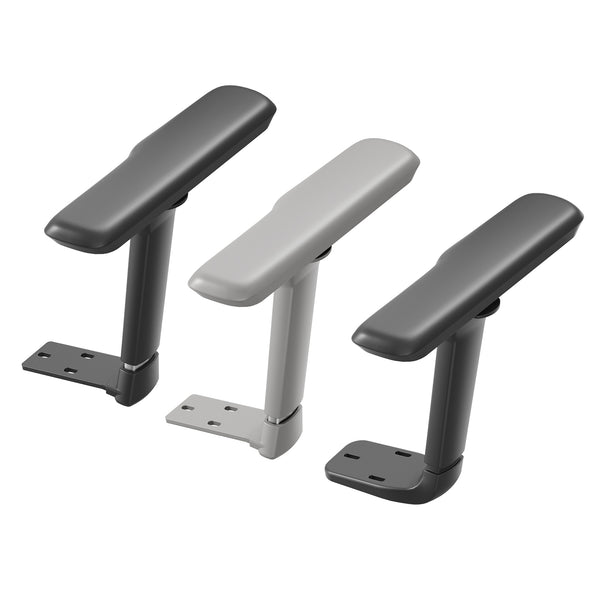
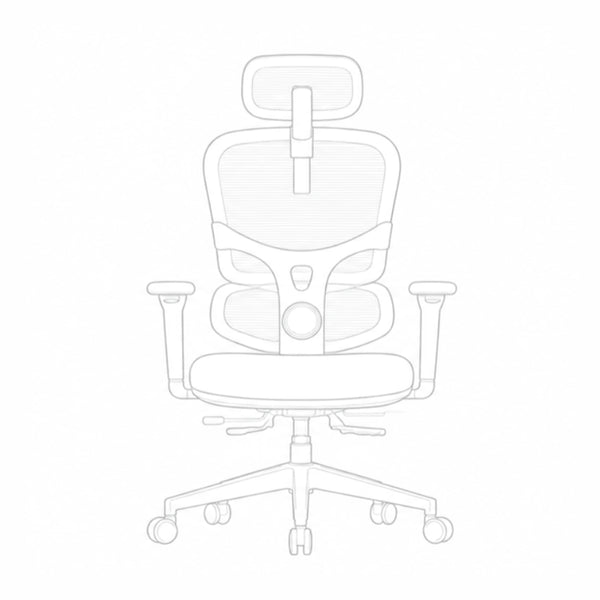
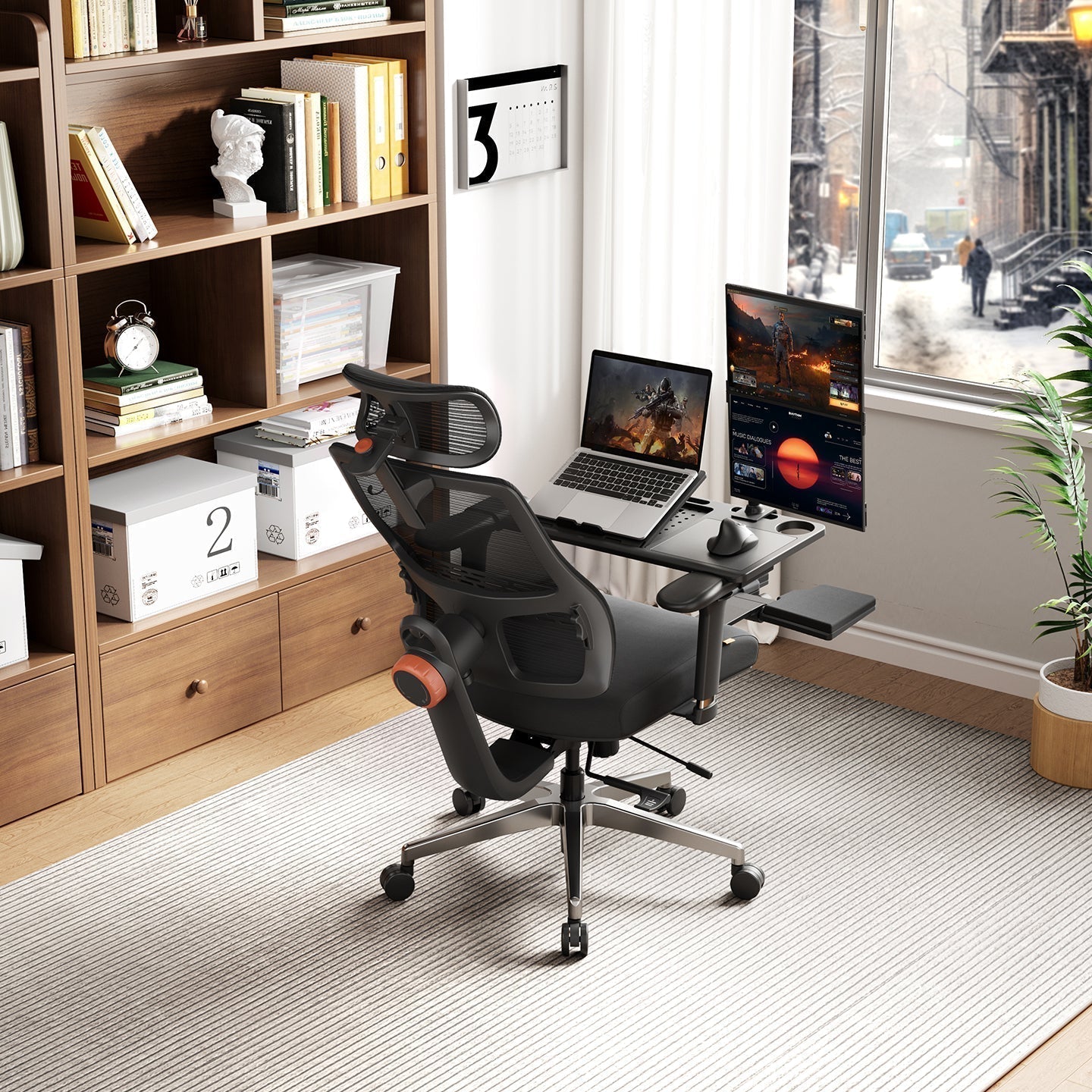
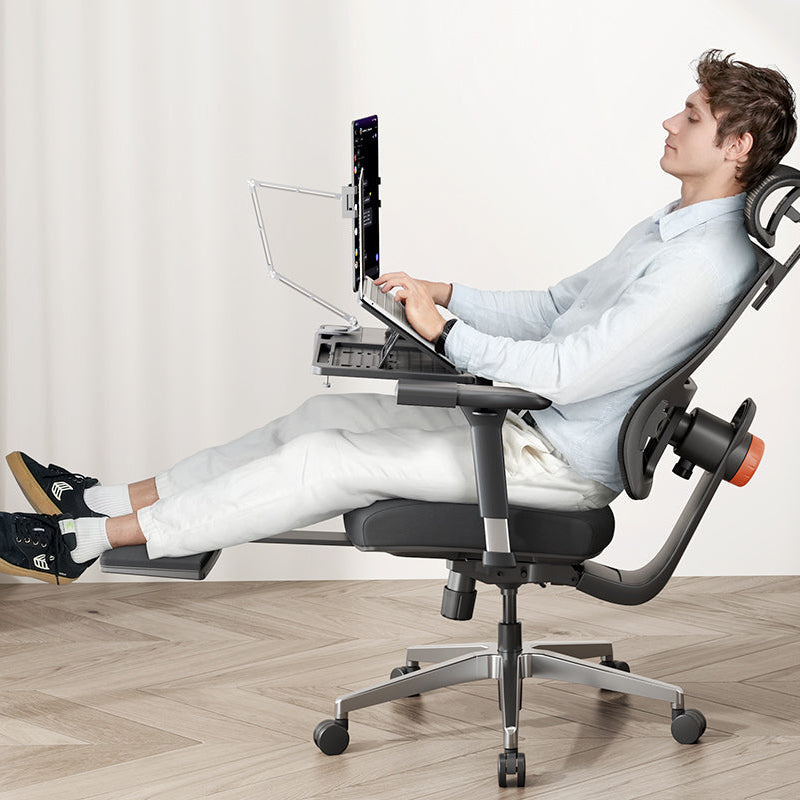
The NT002 Ergonomic Home Office Chair is built around a patented auto following lumbar support that shifts with the body instead of staying fixed in one spot, with roughly 5 cm of forward and backward adjustment to match different postures. It reclines up to 136 degrees with a lockable tilt angle, and the built in extendable footrest makes it easier to keep the knees and hips level during long, uninterrupted work sessions. The 4D armrests and 5 position backrest height adjustment round out a chair built for people who sit for most of the day and want the lumbar support to do more of the work automatically.
Best Budget-Friendly Option
The Magic H003 Ergonomic Office Chair offers the same core auto following lumbar concept at a lower price point, roughly half the cost of the NT002. To reach that price, it trades away a few of the NT002's higher end extras: lumbar tension adjusts through a simple knob rather than a 5 cm sliding mechanism, the backrest offers 3 height settings instead of 5, the recline locks between 96 and 126 degrees rather than up to 136, and there is no built in footrest. What it keeps is the part that matters most for anterior pelvic tilt, auto following lower back support that moves with the body, paired with a lighter aluminum alloy frame. For anyone who wants that core benefit without paying for the full feature set, it is a reasonable place to start.
blog18
blog18
Blog18
Chair Comparison at a Glance
|
Feature |
NT002 |
Magic H003 |
|
Lumbar support |
Auto following, 5 cm adjustment |
Auto following, knob tension adjustment |
|
Recline range |
Up to 136°, lockable |
96° to 126°, 3 positions |
|
Armrests |
4D |
3D |
|
Footrest |
Included |
Not included |
|
Backrest height |
5 positions |
3 positions |
|
Best suited for |
Long, uninterrupted work sessions |
Budget conscious buyers who still want auto following support |
The NT vs Magic Collection comparison covers the differences between the two collections in more detail for anyone still deciding which one fits their setup best.
How to Sit Correctly to Reduce Pelvic Tilt
Even the best chair works better when paired with a few consistent habits.
Step-by-Step Sitting Guide
- Sit all the way back so the lower back rests against the backrest rather than floating in front of it.
- Keep the thighs slightly elevated relative to the hips instead of letting them dip below hip level.
- Let the lumbar support fill the natural curve of the lower back rather than pushing against it.
- Plant the feet flat on the floor or on a footrest so the knees sit roughly level with the hips.
- Stand up, walk a short distance, or stretch briefly every hour before returning to the seat.
The OSHA computer workstation guidance on neutral seated posture offers a useful broader framework for setting up a full workstation beyond the chair itself.
Stretches and Exercises to Pair With Better Seating
Hip flexor stretches, glute activation exercises, and core strengthening movements like planks or bridges directly target the muscle imbalance behind anterior pelvic tilt. Pairing these with a supportive chair addresses both sides of the problem: the muscular cause and the seated environment that reinforces it.
Final Thoughts
Anterior pelvic tilt develops gradually, and correcting it works the same way: through consistent support and small daily habits rather than a single fix. A chair with adjustable lumbar support, seat tilt options, and the right height for the body removes much of the strain that builds up during long sitting sessions. Paired with regular movement and a few targeted stretches, that kind of seating gives the pelvis and spine the best chance to settle back into a natural, comfortable alignment.
FAQs
What chair helps with anterior pelvic tilt?
A chair with adjustable or auto following lumbar support, seat tilt control, and proper seat depth helps keep the pelvis in a more neutral position and reduces the strain that leads to forward tilt.
How should I sit if I have an anterior pelvic tilt?
Sit with the hips slightly higher than the knees, keep the feet flat on the floor, and let the lumbar support fill the natural curve of the lower back rather than sitting away from the backrest.
What worsens anterior pelvic tilt?
Long periods of sitting without moving, weak core and glute muscles, and tight hip flexors from inactivity all tend to make the condition more pronounced over time.
Can a good chair fully fix anterior pelvic tilt?
A supportive chair reduces strain and encourages better alignment, but it works best alongside regular movement and targeted stretching or strengthening exercises, since the underlying cause is muscular rather than purely postural.




Leave a comment
All comments are moderated before being published.
This site is protected by hCaptcha and the hCaptcha Privacy Policy and Terms of Service apply.