
Table of Contents
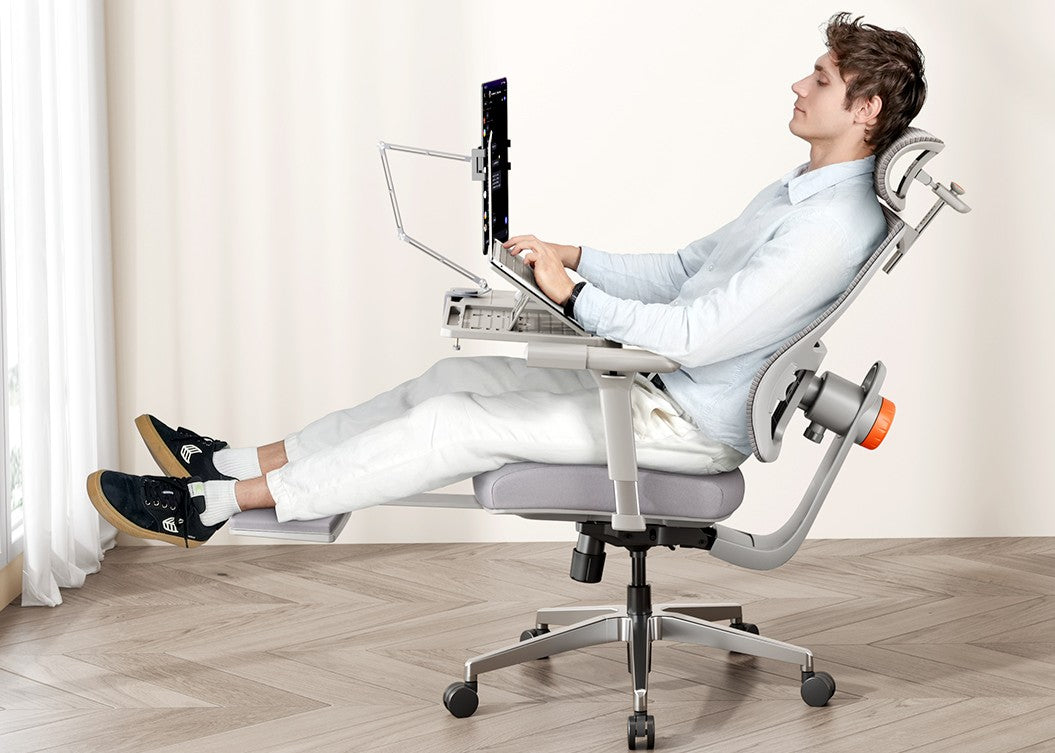
Numerous people have to spend most of the day sitting. Work keeps them at a desk, and screens keep them still. Long sitting is hard on the lower back. And if you make a wrong gesture, it turns into daily back pain. If your chairs just provide poor lumbar support.
This is where back supports for office chairs are helpful. Chairs with back support relieve the pressure on fatigued muscles. They help the body sit better. It supports the spine. When posture improves, you can notice an increase in focus and comfort.
Why Back Support Matters When You Sit All Day
The spine has natural curves. The lower back curves inward, and this curve is flattened when we sit for long periods. Muscles have to work harder to keep the body upright. Leaving muscles in a tight state for too long makes them feel sore.
People slouch without back support. The shoulders roll forward. The head gets closer to the screen. This position exerts pressure on the neck and back. Bad posture can also cause disc problems and nerve pain in the future, so early use of back support reduces these problems.
Good back support also makes it easier to breathe. A good posture releases the chest. Oxygen flows more easily, and the brain stays alert longer. This helps to focus and be productive.

What Types of Back Supports Work for Office Chairs?
Office chairs do not support everybody the same way. Different back supports fix different posture and comfort problems, depending on your requirements.
Blog18
Lumbar Support Cushions
Lower back lumbar support pillows specifically target the lower back. They sit between your spine and chair. They bridge this gap. This can help keep the lower back in its natural curve. These pillows alleviate the pressure on the spine. Muscles can relax instead of working unceasingly. This results in less stiffness at the end of the day.
Mesh Back Supports
The mesh material is firm and pliant. This allows support without stiffness. Air flows through the mesh and keeps the back cool. It is useful for people who sit in hot rooms or for 12 hours a day. Comfort improves without adding bulk. Mesh supports shift and adjustment with your moves and stretches. So, open-Mesh back supports for office chairs are more flexible for almost all types of chairs.
Memory Foam Seat Cushions
These are the cushions underneath the buttocks and pelvic girdle. When we sit on a hard surface, it forces the pelvis backwards. This leads to poor posture and back pain. Memory foam seat cushion on the flip side supports. They help relieve pressure on it.
If the pelvis is in balance, then the spine is up. This reduces slouching. Add a seat cushion along with lumbar support, so the body can feel more balanced. It feels better and more comfortable to sit.
How to Choose the Right Back Support for You
The right back support depends on your body, your chair, and your daily sitting habits. When these match well, comfort improves, and back strain reduces.
1. Your Daily Sitting Time
The back support depends on how much time you spend sitting each day. Brief sitting times want light support. If you have a long workday, you need stronger and longer-lasting support. If you spend long hours sitting, you need firm back supports. Long-term comfort requires consistent support.
2. Your Office Chair Design
Every chair offers different support. Certain chairs have built-in lumbar support. Others offer none at all. Always check before you buy a chair. Identify what it lacks and add support only where needed. Lumbar cushions work with flat-backed chairs. Curved chairs will match up better with mesh supports.
3. Your Body Type and Height
Support placement is influenced by height. Shorter users need lower placement. Taller users need higher support. Body weight affects the firmness needs. Heavier users need firmer cushions. Lighter users prefer softer options.
4. Firmness and Comfort
Super soft materials are comfy at the beginning, but they may not be great for the spine long-term. Balanced firmness works best. The support should be comfortable but not too harsh. This is what keeps the spine straight all day.
5. Adjustability Matters
The rear supports are adjustable for better mounting. The tall adjustments will ensure the lower back is properly targeted. The crisscross straps help keep the support in place. Stability prevents slipping during movement.
blog18

How to Position Back Supports Correctly?
Poor placement reduces the effectiveness of the support. Position the lumbar support so that it fits in the natural curve of your lower back. This hits higher than the hips. The cushion should fill the gap but not push too hard.
Sit fully back in the chair. Hips must stay against the seat back. Use the support to hold your stance, rather than working at it. The feet should be placed flat on the floor. Knees should be aligned with hips, as this position puts less stress on your back.
When It’s Time to Consider a Better Office Chair
t can feel more comfortable over a full workday than relying on add-on supports alone.
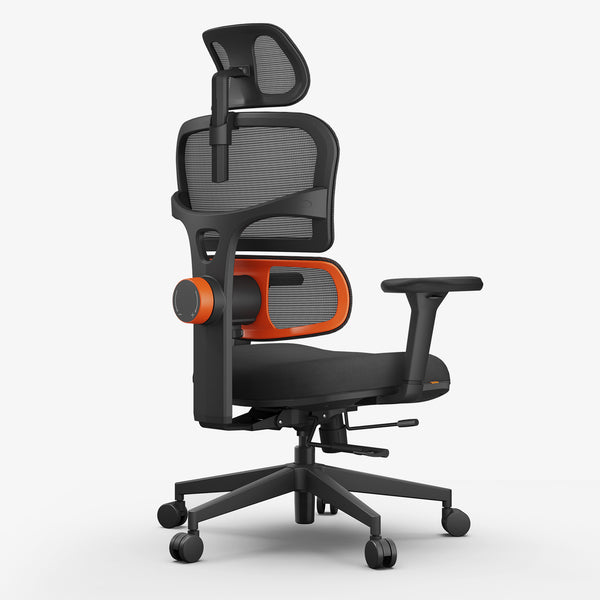
If you’ve tried adding a back cushion but still feel sore, the issue may not be the cushion itself. Sometimes it’s the chair’s overall support that isn’t doing enough. In that case, switching to Ergonomic Office Chairs with built-in lumbar support can be a more reliable fix. For example, the Newtral Magic H-BPRO offers lumbar support that stays closer to your lower back as you shift between sitting upright, leaning forward, or reclining, so the support doesn’t feel “off” after a few hours. It also has adjustable settings in key areas like the backrest height, headrest, and armrests, which makes it easier to fit different body sizes and sitting habits. With a breathable mesh back and a seat designed for longer sitting sessions, it can feel more comfortable over a full workday than relying on add-on supports alone.
Final Thoughts
Back supports for office chairs enhance an individual's comfort and posture. They alleviate lower back pain and muscle strain. Proper support allows the body to maintain its upright sitting position. Lumbar supports, mesh support pillows, and seat cushions all have their virtues. Which one you get depends on your body and chair. Good support helps make your workday easier and healthier.
FAQs
1. Do back supports really help with back pain?
Yes. Lumbar supports can help the structure of the spine. They take pressure off the lower back muscles. When used daily, the cushion promotes good posture and can help to alleviate chronic pain.
2. Should I use both a seat cushion and back support?
Yes. You can get a hip-supporting seat cushion with a back support. Your spine is aligned by a back support, and the cushion supports the lower area.
3. Will a lumbar support work with mesh office chairs?
Yes. Mesh chairs are great for lumbar supports also. They can support an upright body position wherever mesh chairs fail.
4. What if I am short or tall?
Adjustable supports work best. Taller users need higher placement. Shorter users need lower placement. Proper adjustment can improve comfort.
5. Is a back brace good for desk work?
Back braces help with short-term pain. They are not a substitute for good posture. Long-term use may weaken muscles. A back support is more useful for everyday desk use.
Blog18
blog18
Further reading:





Laisser un commentaire
Tous les commentaires sont modérés avant d'être publiés.
Ce site est protégé par hCaptcha, et la Politique de confidentialité et les Conditions de service de hCaptcha s’appliquent.