
Table of Contents
For people with ADHD, sitting still for long periods can be very challenging. Traditional chairs don’t support the natural need to move, which can make it harder to stay alert and focused. Active chairs, sometimes called ADHD chairs, encourage gentle movement while sitting. This helps keep your body engaged and can improve concentration by reducing restlessness.
Why Standard Office Chairs Fail the ADHD Brain
An average office chair is designed merely sit. They just offer basic support when sitting on it. The back support is fixed. The armrests are immobile. They can feel really uncomfortable, and that’s not what an ADHD brain wants. So it is hard for them to sit for 8 hours of work.
People with ADHD want to jiggle their legs up and down, bounce the knee, or perhaps move all over. Traditional chairs do not allow these natural motions. This limitation may cause stress, anxiety, and even discomfort in the lower back. Attention decreases if the body is fixed. An adjustable chair can help prevent that.
The Science Behind Active Seating
Research shows that minor fidgeting can actually improve attention. Those gentle body movements stimulate the brain because they increase blood flow and help to release excess energy. The brain benefits from this natural movement and support. This effect is not limited to children. Adults with ADHD can also benefit from it. Controlled activity through active seating can reduce restlessness and boost productivity.
3 Major Benefits of ADHD Chairs
Do you know that ADHD chairs have multiple benefits? Let’s highlight the major ones;
1. Increased "Time on Task" (Wobble Stools & Ball Chairs)
Active chairs help people work more actively and concentrate longer. Wobble stools and ball chairs encourage gentle motion. The body can sway, rock, or bounce a little. This motion reduces boredom. You can sit without losing focus for longer. Plus, these small acts satisfy the natural need for activity in people with ADHD. At the same time, they will not cause excessive distraction.

2. Reduced Mental Fatigue (Cross-Legged & Wide Chairs)
Designs like cross-legged seating or wide, spacious chairs for some with ADHD give comfy support. This helps ease mental fatigue from sitting too long. The right posture relaxes your body and lowers stress. Also it keeps your mind feeling fresh and energized.
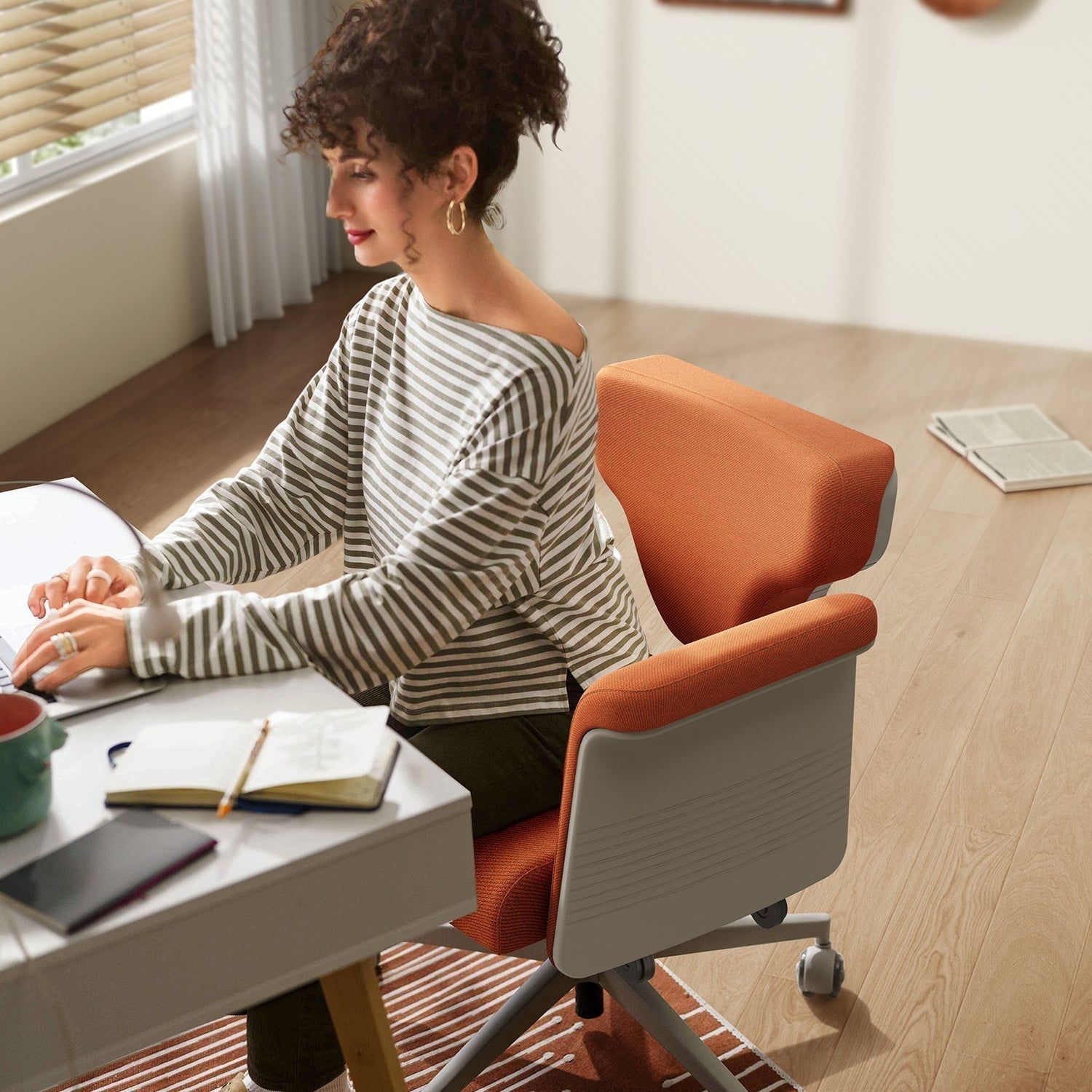
For example, a multi-posture chair like the Newtral Freedom-X makes it easier to stay comfortable without breaking your flow. It’s designed for frequent position changes, so you can sit upright for focus, lean back for a reset, or even sit cross-legged when you need a different kind of comfort. The flexible arm support helps reduce pressure on your shoulders and arms, and the adjustable recline, seat depth, and backrest height make it easier to fine-tune the fit for your body. This kind of “move-with-you” setup can ease muscle tension, reduce mental fatigue, and help you stay engaged for longer especially on days when sitting still feels impossible.
3. Improved Emotional Regulation (Kneeling & Rocking Chairs)
Kneeling and rocking chairs help with focus. They also bring a sense of calm. The rhythmic motion or forward-leaning posture brings steady breathing and relaxation. This can ease feelings of anxiety or restlessness. So that helps you stay emotionally balanced during work or study.
Which Type of Active Chair Suits Your Style?
The market is full of different chairs for ADHD, but they have different features. Let’s see what the best chair is for you.
The "Constant Fidgeter"
Do you love to move all the time? Do you want to bounce up and down, tap your foot, or rock in a chair while thinking? You need wobble stools and ball chairs. These chairs allow energy to flow naturally. You don’t have to be held back by anything. Movement supports focus and concentration.
The "Pretzel Sitter"
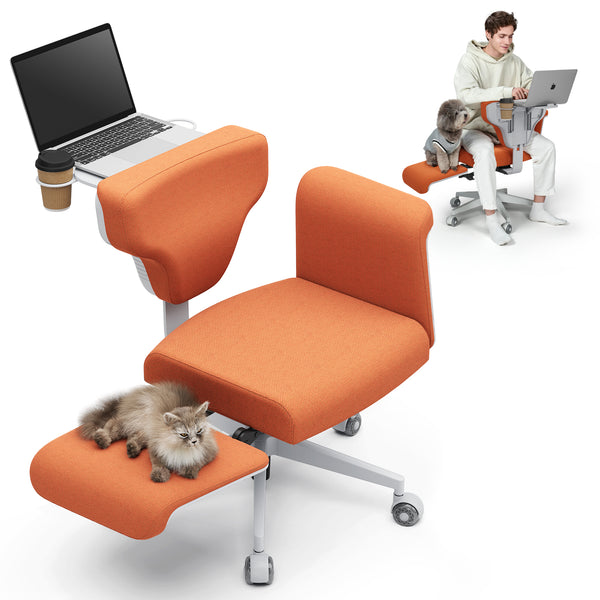
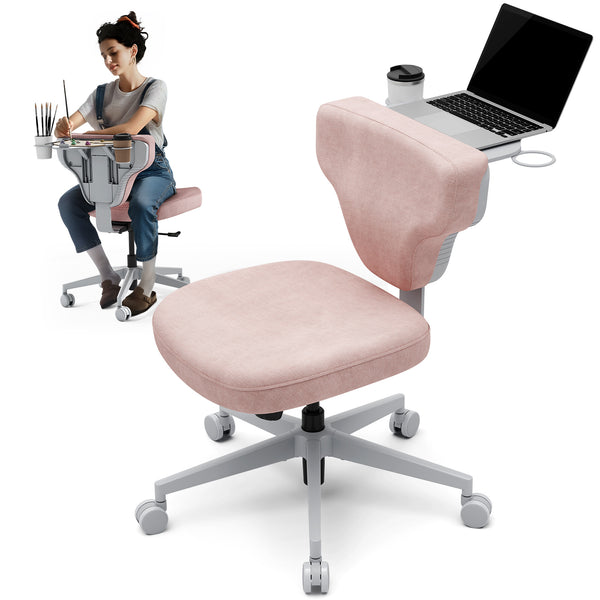
Certain people prefer creative spot sitting. Cross-legged or wide chairs are good. These allow flexibility in posture. Users can change positions frequently without standing up. The "pretzel sitter" feels comfortable. Mental fatigue reduces, so they can complete the tasks efficiently.
The "Rocker"
Other people find soft movement calming. They calm their mind as they rock. Rocking allows them to lean. Rocking creates a rhythm, and the brain focuses more easily. Emotional regulation improves. Symptoms of ADHD may be less severe.
Blog18
Blog18

Tips for Using an ADHD Chair Effectively
Having a chair is not enough. You must know how to use the chair to actually benefit from it, so here are a few tricks.
1. Use the Chair Consistently
Sitting in an ADHD chair inconsistently does not work. Incorporate it into your daily schedule. Utilize it at work, during studies, or for creative purposes. The brain adjusts over time. With regular use, it teaches the body how to move without losing focus.
2. Move Naturally
You must not sit in an uncomfortable or unnatural position. Allow your body to move and gently swing. Little movements alert the nervous system. This decreases the pressure in the back and legs. Movement must be controlled, so it does not distract from your work.
3. Adjust the Height and Angle
Most active chairs allow adjustments. Set them so your feet rest flat on the floor. Tilt or angle the seat back to ease pressure on the base of your spine. Correct adjustments prevent fatigue and support long periods of focus.
4. Pair with a Proper Desk Setup
The chair works best with a desk at the proper height. Keep materials within easy reach. Avoid screens or books that are too high or too low. Good posture reduces neck and shoulder strain, helping maintain focus.
5. Observe Your Movement Patterns
Notice which movements help you focus. Some people bounce lightly, others rock gently. Make the chair work for your style. Adjust seating positions to accommodate comfort and attention.
6. Combine with Task Strategies
Pair the chair with timers, checklists, or task breaks. Active seating works best with structured habits. This partnership keeps you focused and eliminates distractions.
Final Thoughts
ADHD chairs offer real benefits as they facilitate attention and focus. They lower mental fatigue and enhance emotional regulation. Different types suit different users. Ball chairs, wobble stools, kneeling chairs, and rocking chairs provide movement. Moving is good for a brain that struggles with sitting still. Multipositional chairs like the Freedom-X provide versatility. An active chair is not just a cure but a tool to enhance daily performance.

Frequently Asked Questions
1. Can an active chair replace ADHD treatment?
No. Active chairs support attention and focus. They aren’t a substitute for medicine, therapy, or professional treatment. They may work as adjuncts to treatment and daily coping strategies.
2. Can active chairs help kids with ADHD at school?
Yes. Active chairs can increase time on task. They lessen agitation and mental tiredness. Children can concentrate better and remain engaged. Participation and scores at schools often rise.
3. Are these chairs safe for long-term use?
Yes. Most active chairs are designed for safety. Proper fit and posture are critical. Using the chair correctly ensures comfort for many years.
Blog18
4. What if the chair becomes a distraction?
Some users may exaggerate movements at first. Over time, the body adapts. Using the chair in a daily routine reduces distraction. Watching movement patterns helps determine the appropriate chair.
5. What is the best active chair for a small home office?
Multi-position chairs such as the Freedom-X perform well. They provide support and flexibility. These chairs fit smaller spaces while allowing movement. Posture is adaptable for users to continue working.
Keep reading:



Laisser un commentaire
Tous les commentaires sont modérés avant d'être publiés.
Ce site est protégé par hCaptcha, et la Politique de confidentialité et les Conditions de service de hCaptcha s’appliquent.