
Table of Contents
Your legs were not designed to stay folded at ninety degrees for eight hours straight, yet that is exactly what most desk jobs ask of them. The dull ache in your calves by mid-afternoon, the tightness behind your knees when you finally stand up, and the tingling that creeps down your thigh during a long meeting are not random. They are your body's response to hours of restricted movement, and in most cases they are both explainable and fixable.
Why sitting too long causes leg pain
Restricted blood flow and circulation
The large veins that carry blood back up from your legs rely partly on muscle movement to keep that flow going. A bent knee and a still calf muscle slow that process down, so blood and fluid can start to pool in the lower legs. This is what produces the heavy, swollen feeling many people notice by the end of a long workday.
Muscle compression at the seat edge
The front edge of a chair seat presses directly against the underside of the thigh, right where the hamstring and the nerves running down the back of the leg sit close to the surface. A seat that is too deep, or a session that runs too long without a break, keeps that pressure constant, which can leave the thigh feeling numb, sore, or tingly.

Nerve pressure and pelvic tilt
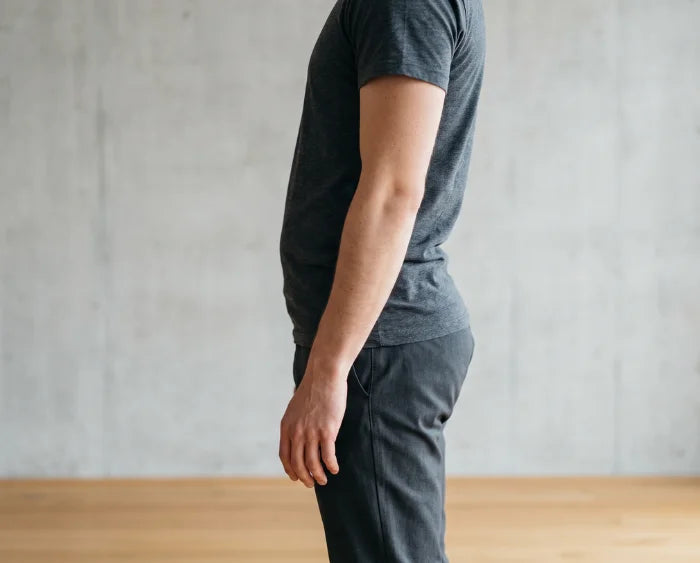
Sitting for long stretches tends to pull the pelvis into a slight backward tilt, especially in a chair without proper lower back support. That shift changes the angle of the hip and can put pressure on the sciatic nerve as it passes through the buttock and down the leg, producing the kind of ache or tingling that radiates rather than stays in one spot.
Common types of leg pain from sitting
Leg pain from sitting does not always feel the same, and the pattern of symptoms usually points to what is driving it.
|
Symptom |
Likely cause |
|
Tight, cramping calves |
Reduced circulation and limited ankle movement |
|
Sore thighs or hamstrings |
Compression at the seat edge from a chair that sits too deep |
|
Numbness or tingling |
Nerve pressure from posture or pelvic tilt |
|
Swelling in the lower legs or feet |
Fluid pooling from long periods without movement |
Calf tightness and cramping
This tends to build gradually and often eases quickly once you stand. A few ankle pumps or a short walk usually restores comfort within a minute or two, which is a useful sign that circulation, not injury, is the cause.
Thigh and hamstring soreness
This type of soreness is closely tied to seat depth. When the front edge of the chair sits well past the middle of your thigh, shifting toward the front of the seat, or adjusting the seat depth where the chair allows it, usually brings quick relief.

Numbness and tingling
Mild tingling that fades within a few minutes of standing is common and generally not a concern. Tingling that lingers, spreads, or shows up on only one side more consistently is worth paying attention to, and is covered further in the section on when to see a doctor.
Swelling in legs and feet
Swelling tends to be most noticeable in the ankles and feet by late afternoon. Elevating the feet briefly, using a footrest to change leg position throughout the day, and walking every hour all help reduce how much fluid accumulates.
How to relieve leg pain from sitting too long?
Movement and stretch breaks
Standing up every thirty to sixty minutes, even for a minute or two, is one of the simplest ways to restore circulation and relieve pressure on the muscles and nerves compressed while sitting. A short walk to refill a water bottle, a few calf raises at your desk, or a lap around the office all count.
Stretches for hamstrings and calves
A standing hamstring stretch, extending one leg forward with a straight knee and hinging gently at the hips, helps release tension that builds up at the seat edge. Calf raises and ankle circles, done seated or standing, keep blood moving through the lower leg during long stretches at a desk.
Shifting weight and changing posture
Small posture changes between scheduled breaks matter too. Shifting your weight from one hip to the other, uncrossing your legs periodically, and avoiding a slouched, tucked pelvis all reduce the steady pressure that builds up in one spot when you hold the same position for hours.
Blog12
When to see a doctor
Most leg pain from sitting improves with movement, stretching, and better seating support. That said, sudden swelling in one leg, pain that is sharp rather than achy, or skin that becomes warm, red, or discolored are not typical sitting-related symptoms and are worth having checked promptly, since they can occasionally point to a circulation issue such as a blood clot. The Mayo Clinic overview of leg pain is a useful reference for understanding which symptoms warrant medical attention.

Chair adjustments that reduce leg pain
Seat depth and waterfall edge
Seat depth determines how much of the seat sits under your thigh. When it is adjusted correctly, there should be a gap of two to three finger widths between the front edge of the seat and the back of your knee. A rounded, waterfall-style front edge further reduces pressure on the underside of the thigh compared with a hard, squared-off edge.
Seat height and footrest support
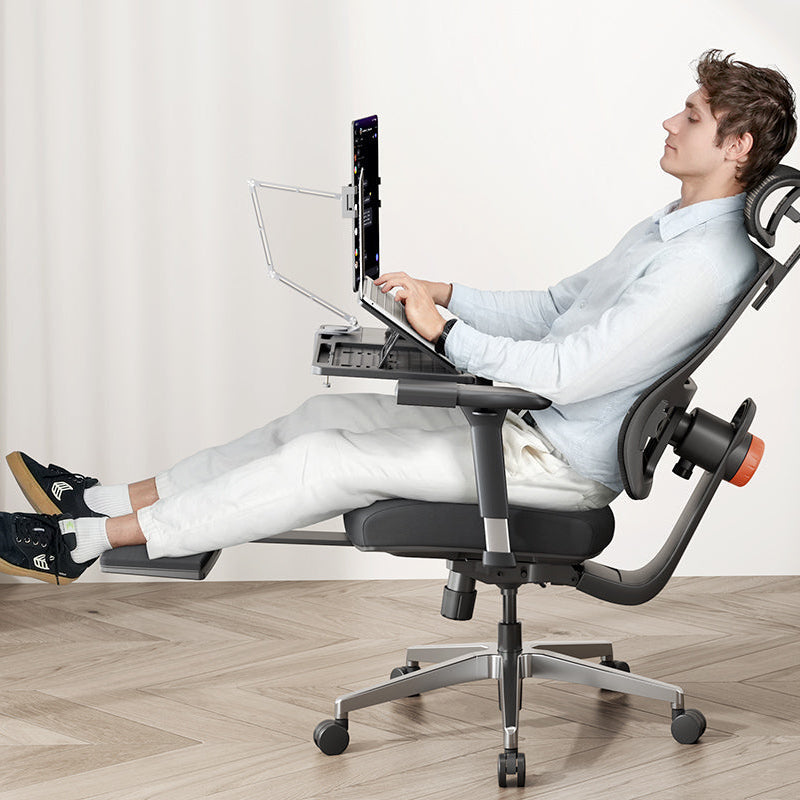
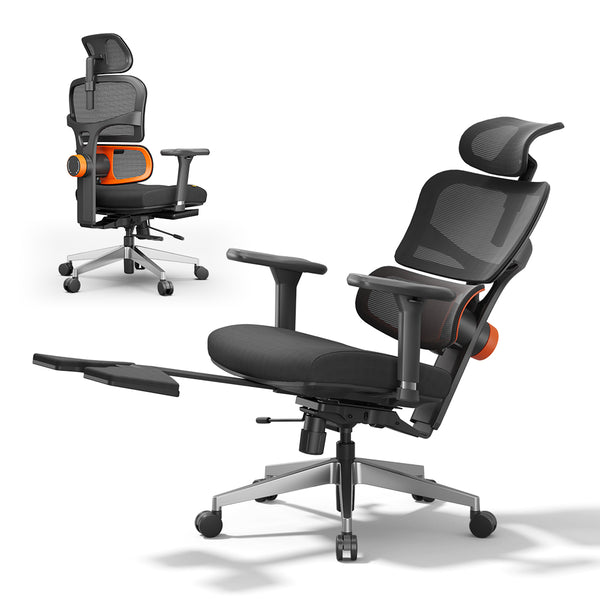
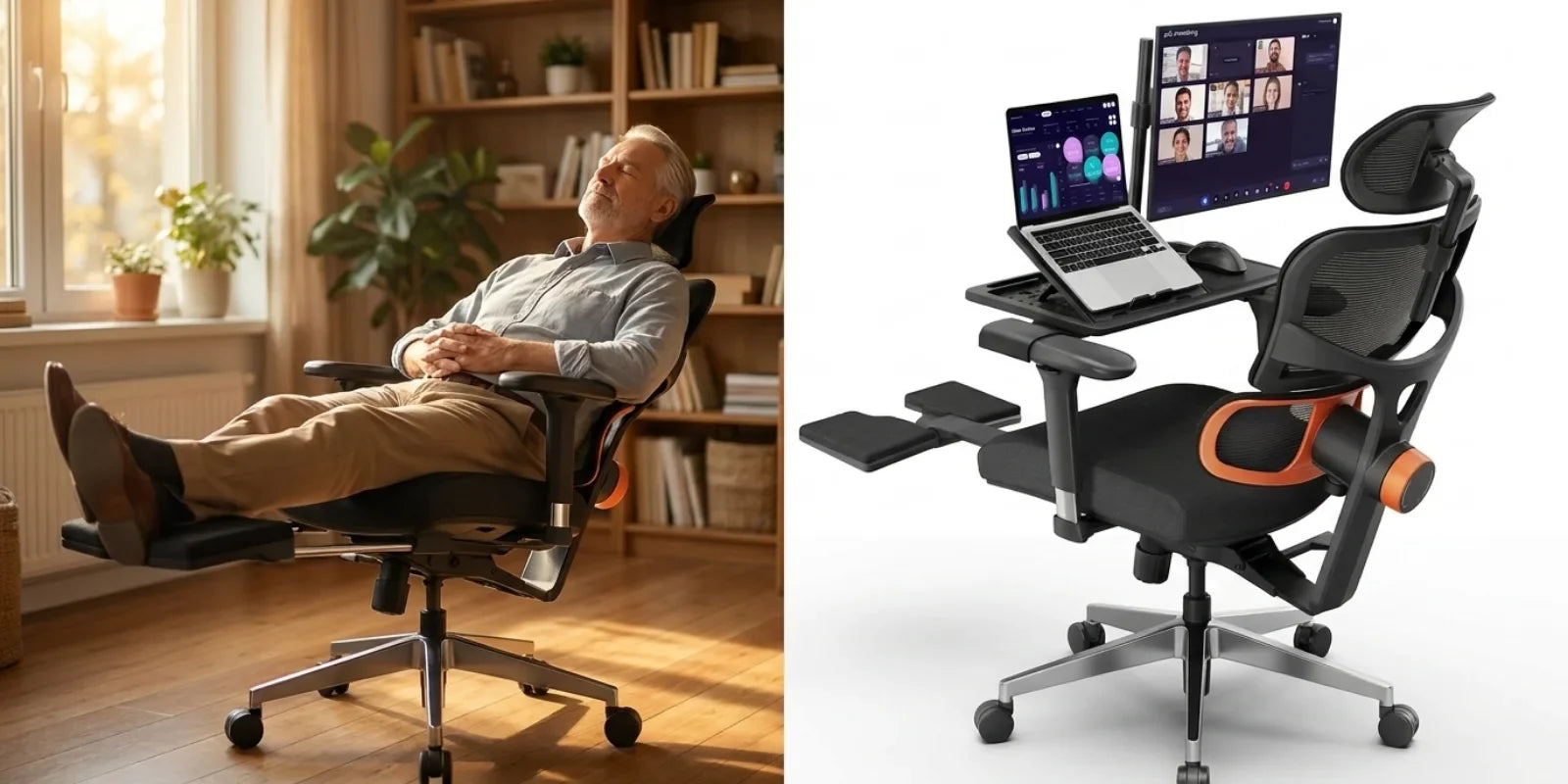
Feet should rest flat on the floor with knees at roughly a ninety-degree angle. When the desk height forces the chair up higher than that, a footrest closes the gap and keeps the legs supported instead of dangling. The ergonomic chair height calculator works out the right seat height for your body and desk setup in a few seconds, which takes the guesswork out of this adjustment. An office chair with legrest lets you extend leg support on demand, which is particularly useful during longer stretches at the desk or when reclining to take weight off the legs.
blog18
Seat tilt and lumbar support
A chair that tilts and locks at a few different angles allows the pelvis to shift out of the slouched position that puts pressure on the sciatic nerve. Pairing that with lumbar support that keeps contact with the lower back helps maintain a neutral pelvic position throughout the day, rather than only at the moment you first sit down.
Mesh versus cushioned seating
Mesh seating breathes well and can feel firmer under the thighs, which some users find increases pressure at the seat edge during long sessions, particularly on the hamstrings. A cushioned seat with adequate density distributes weight more evenly across a larger surface area, which can ease that specific type of thigh discomfort. The right choice often comes down to personal preference and how long each sitting session tends to run.
Choosing a chair built for leg support
Features that matter most
When shopping specifically to reduce leg pain, prioritize the adjustments covered above in this order:
- Seat depth adjustment, since it has the most direct effect on pressure behind the knee
- A footrest, built in or added separately, for shifting leg position without leaving the desk
- Seat tilt and lumbar support, which keep the pelvis from tipping into a position that adds pressure through the hips and legs
A chair with a built-in footrest
The NT002 ergonomic office chair pairs adjustable seat depth with a 40 cm pull-out footrest and a recline that locks up to 135 degrees, so the same chair can support focused desk work and a reclined recovery break without needing to leave the seat. The tilt and gas lift mechanisms behind that recline range meet the ergonomic chair safety certifications that this kind of daily, repeated adjustment depends on. That combination is worth considering for anyone whose leg discomfort tends to build over long, uninterrupted sitting sessions.
FAQs
Can sitting too long cause leg pain?
Yes. Restricted circulation, pressure at the seat edge, and a tilted pelvis are the three main drivers, and most people experience some combination of them during long sitting sessions. The discomfort is common and usually resolves with movement and posture changes rather than pointing to a deeper problem.
How long is too long to sit without a break?
Most ergonomics guidance points to breaking up sitting every thirty to sixty minutes, even if the break only lasts a minute or two of standing and stretching. The exact number matters less than building a consistent habit of changing position throughout the day.
Does chair type affect leg pain?
It can. Seat depth, seat height, and footrest availability are the three factors with the biggest effect, all covered in more detail above. For a closer look at how footrest-equipped chairs compare, the footrest chair buying guide walks through several models side by side.
Can a bad chair cause leg swelling?
A chair that restricts circulation, whether through a hard seat edge, shallow adjustability, or no tilt function, can contribute to fluid pooling in the lower legs over the course of a workday. Adjusting the chair and moving more often usually helps, though swelling that does not improve is worth mentioning to a doctor.




Hinterlasse einen Kommentar
Alle Kommentare werden vor der Veröffentlichung geprüft.
Diese Website ist durch hCaptcha geschützt und es gelten die allgemeinen Geschäftsbedingungen und Datenschutzbestimmungen von hCaptcha.