
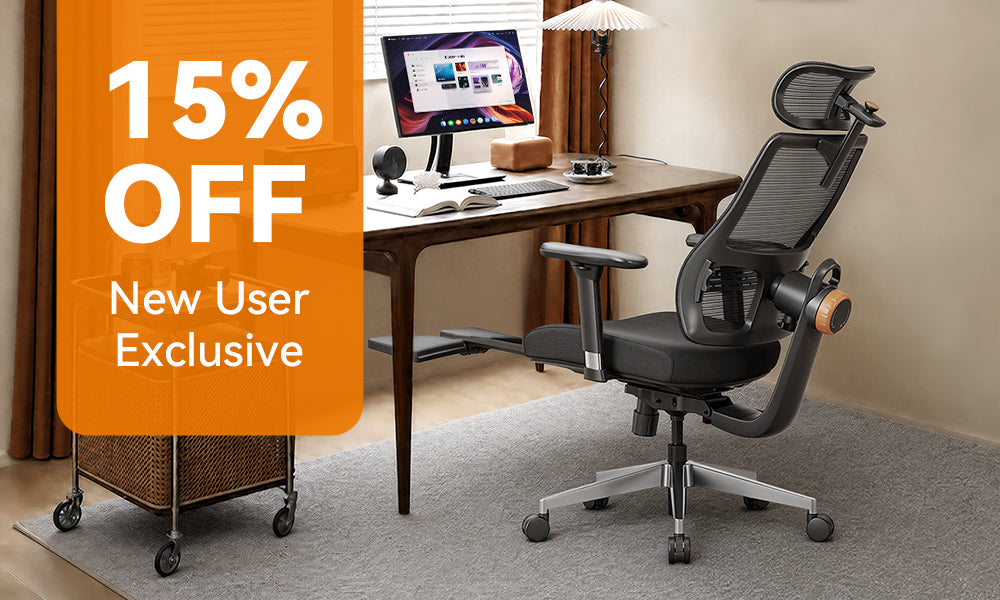
Ergonomic Spine Support Chairs for Pressure Relief
Not just comfortable — engineered to support your spine's natural alignment.
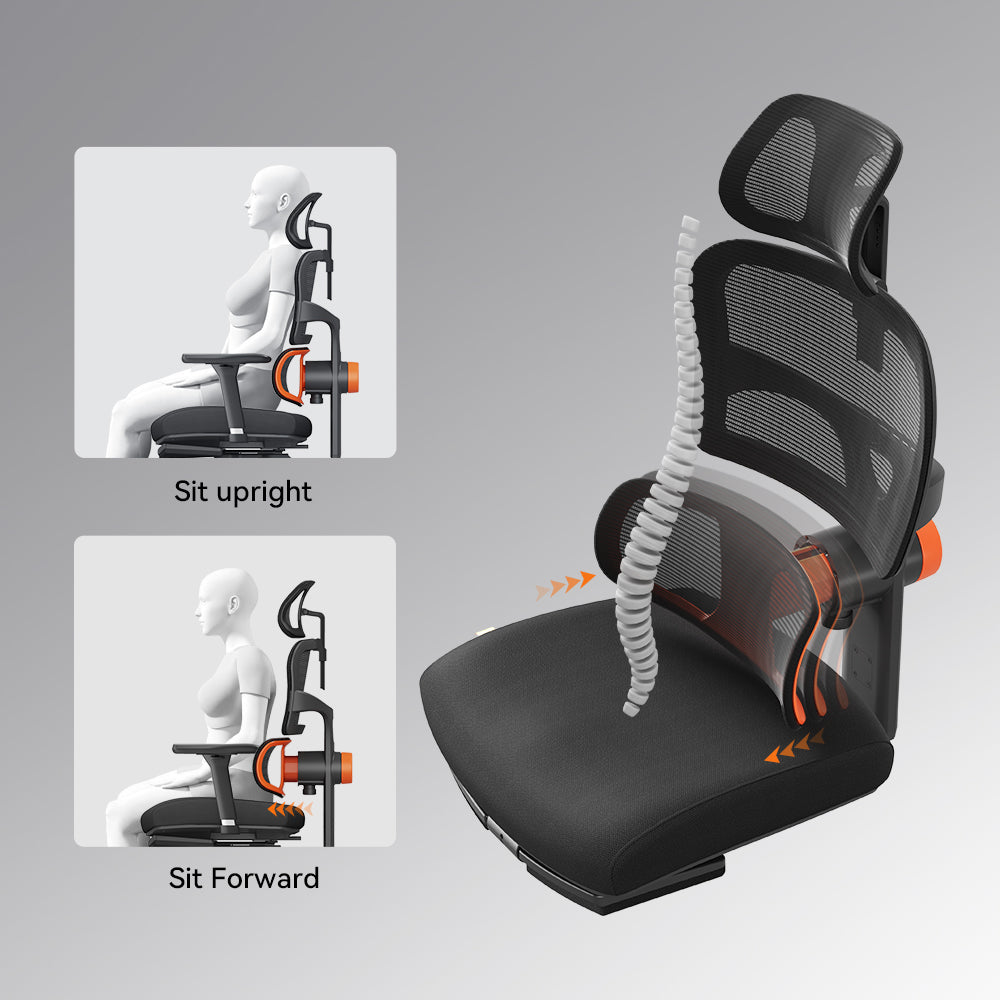
Sitting compresses your spine more than standing does. That's the idea behind every Newtral spine support chair: patented Auto-Following Lumbar Support that continuously adapts to your spine's natural curve as you move, helping ease the pressure that builds up from hours of sitting.

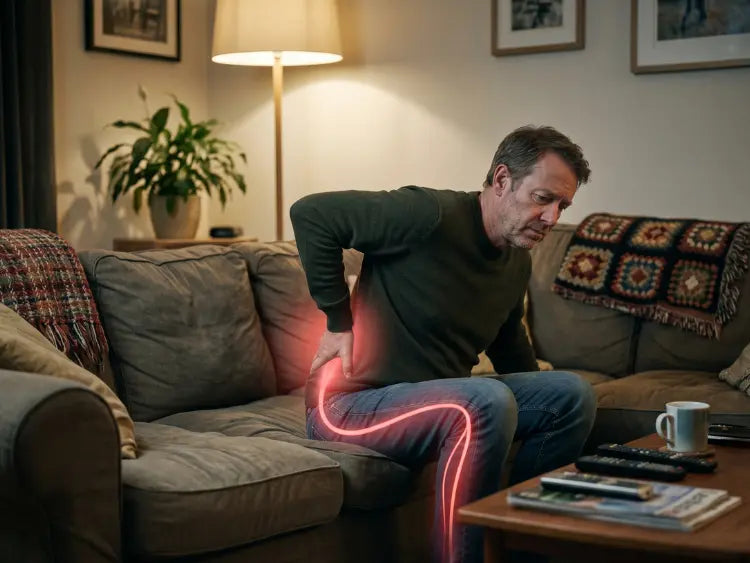
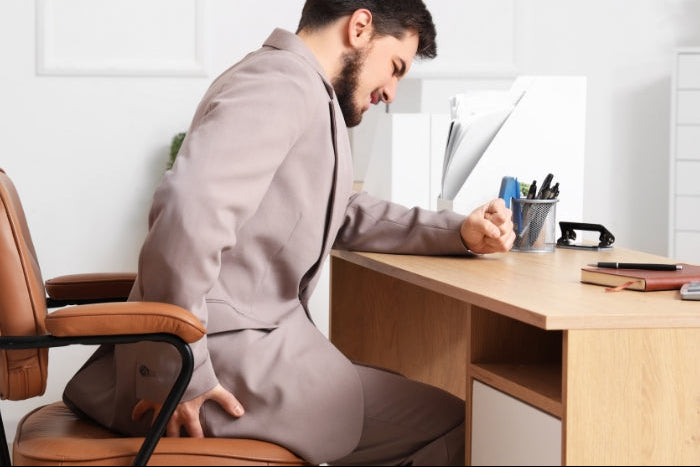
Who Needs a Spinal Support Chair?
Desk Workers Sitting 6+ Hours a Day
Prolonged static sitting is one of the biggest contributors to spinal pressure and stiffness.
People Looking for More Comfortable Everyday Support
If you're managing occasional back discomfort, additional lumbar and postural support may help you feel more comfortable throughout the day.
Remote Workers Without a Proper Setup
Sitting on sofas, dining chairs, or non-ergonomic seating adds unnecessary strain to your spine.
Chairs Built for Spinal Comfort
📦Ships From US & EU Warehouses | Deliveries in 2–8 Business Days
For everyday comfort, not medical treatment. Consult a doctor for persistent pain.
Filtres
7 produits


How to Choose the Best Office Chair for Spine Support?
Here's what actually matters when picking a chair for spinal support — and why each feature counts.
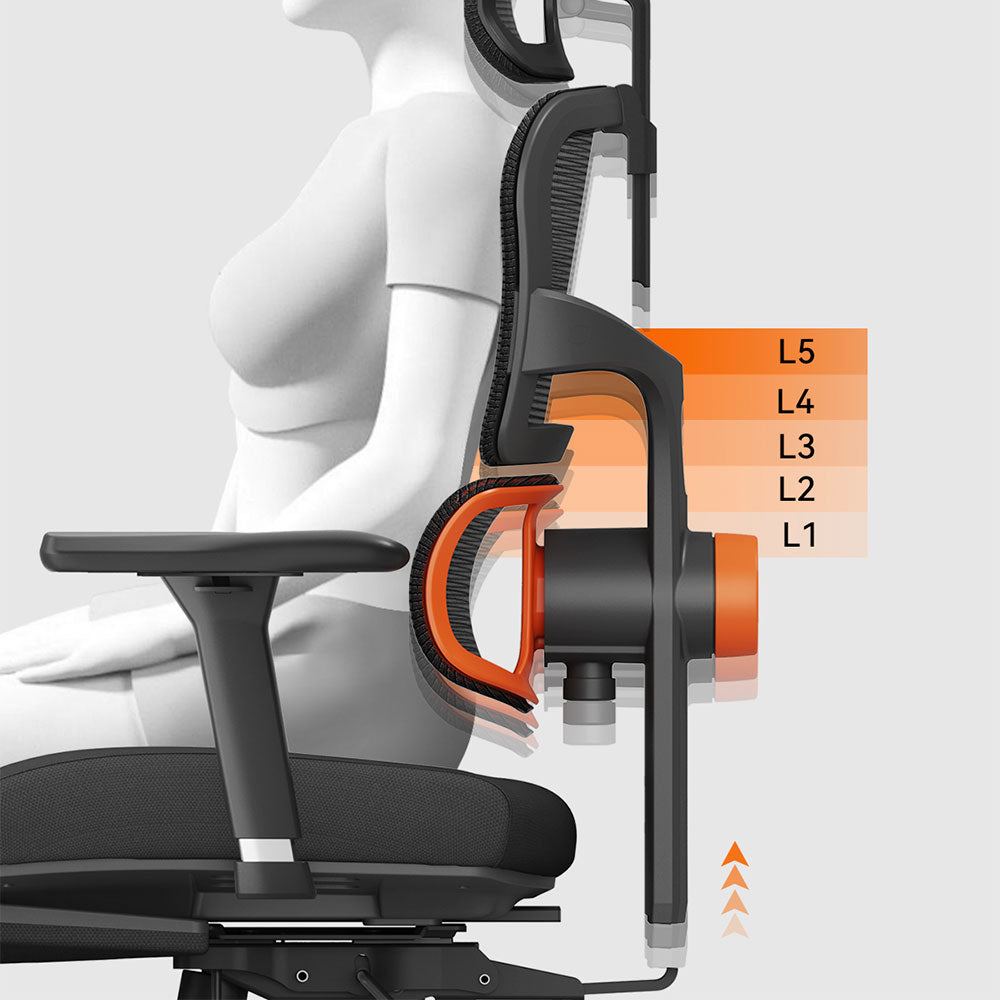
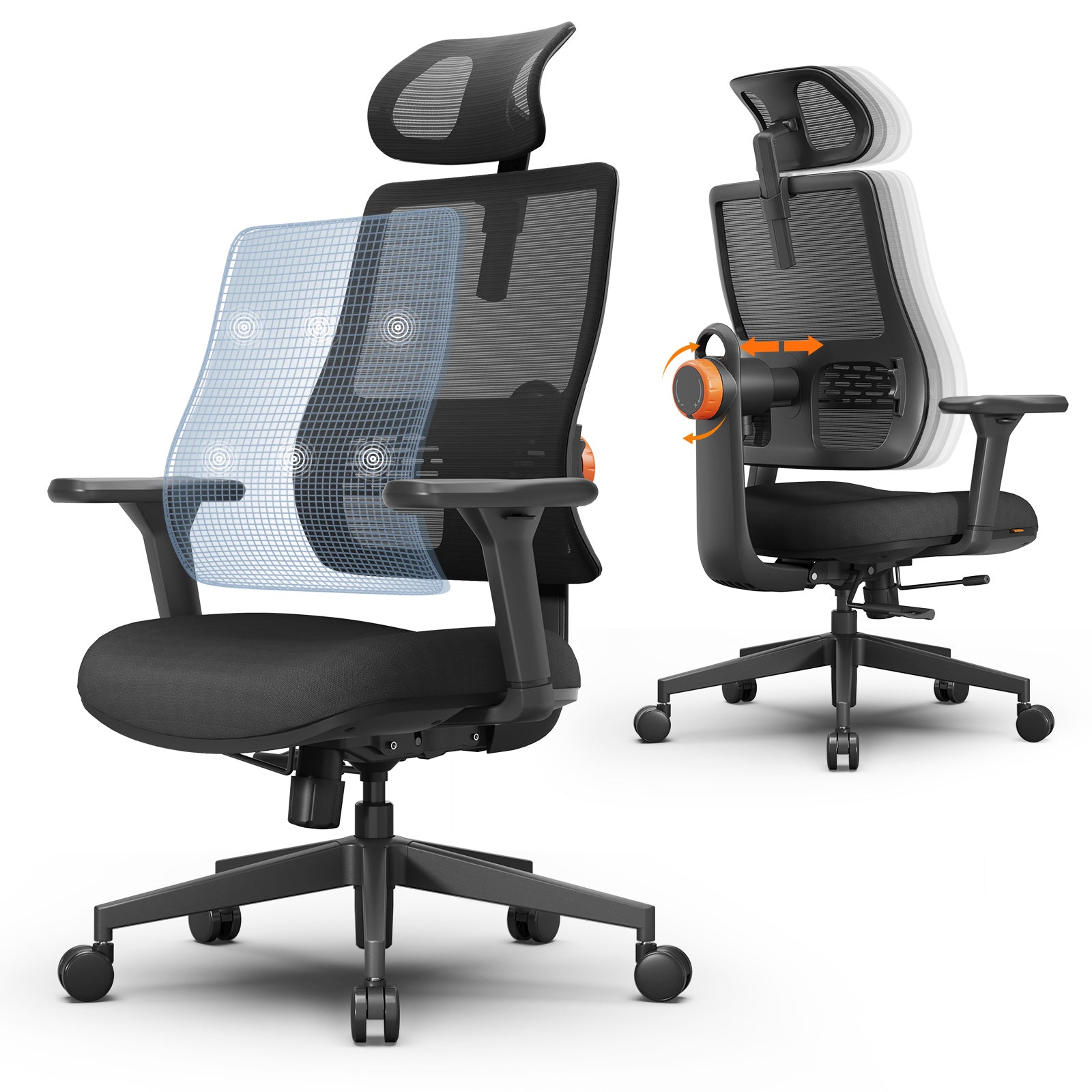
Adjustable lumbar support
Continuously supports your spine's natural curve, reducing pressure buildup in the lower back. Powered by Newtral's patented Auto-Following Lumbar Support, which tracks your spine's movement instead of holding a single fixed position.
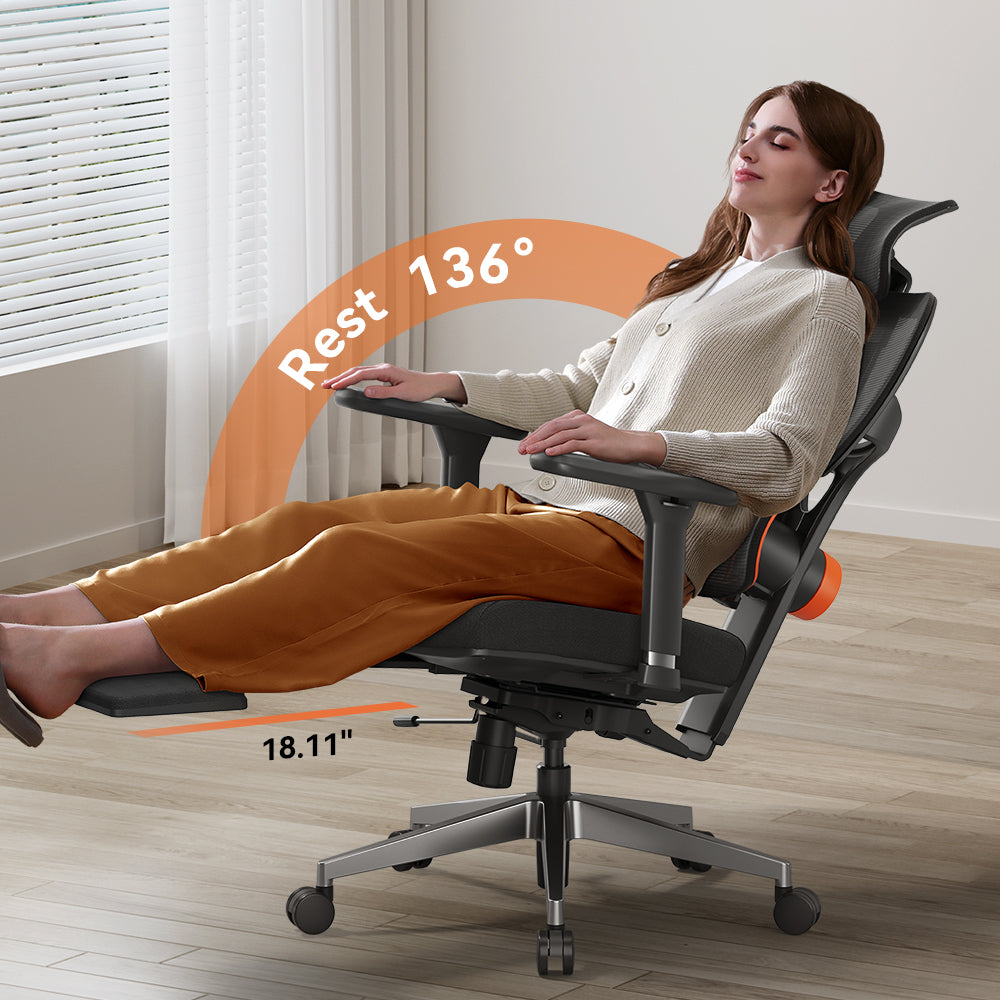
Reclining function
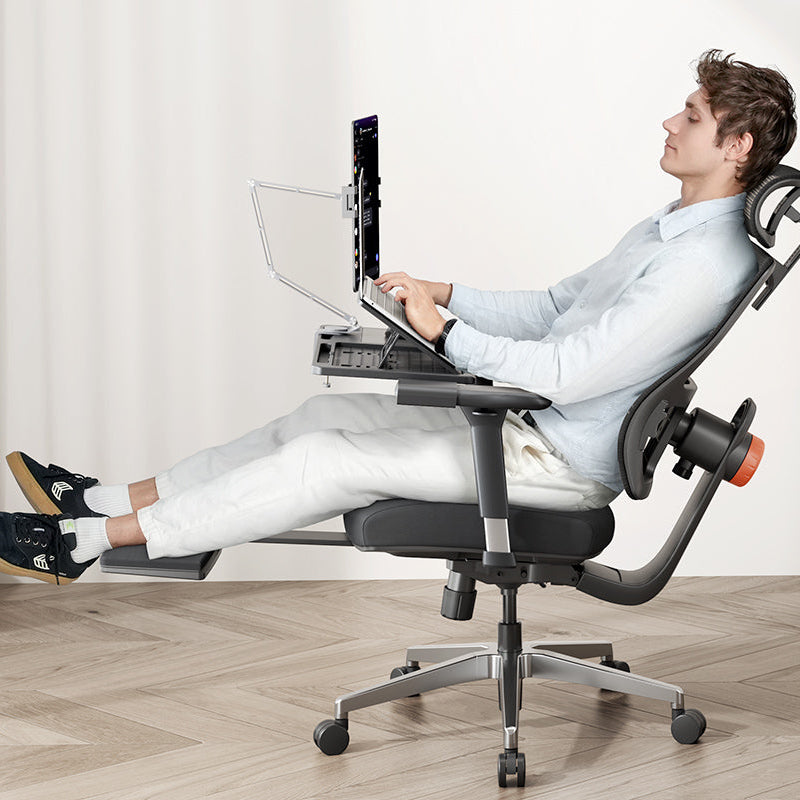
Shifts weight from your spine to the backrest, giving your back regular relief throughout the day. Recline across 3 locking positions — 96°–116°–126° — so you can find, and hold, the angle that works for you.
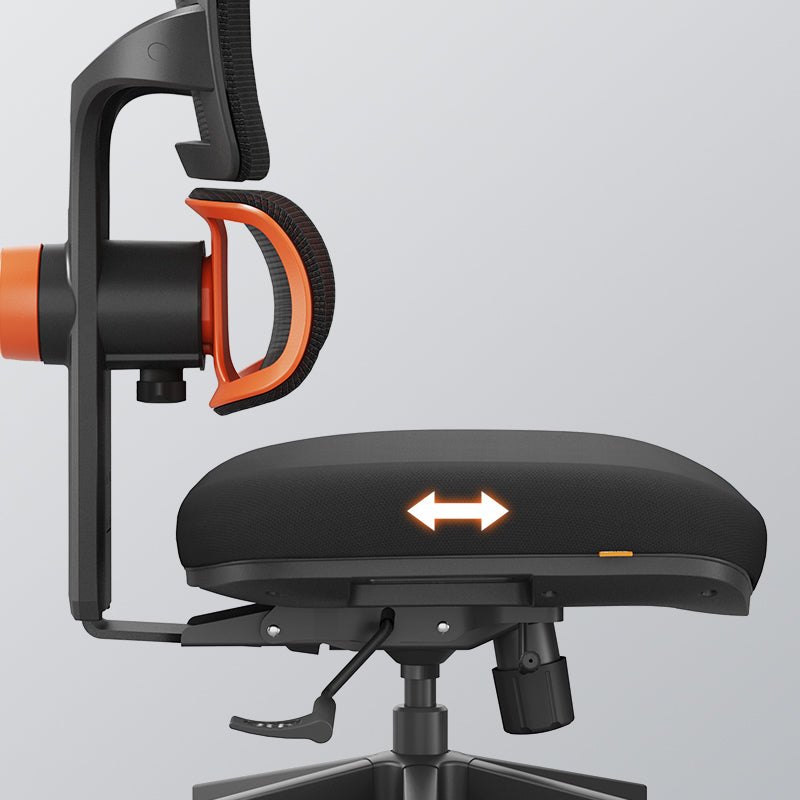
Seat depth adjustment
Prevents slouching and compensating postures that add unnecessary spinal strain. Adjustable seat depth (up to 6cm / 2.36" of travel) lets you fine-tune the fit so the seat edge never digs into the back of your knees.
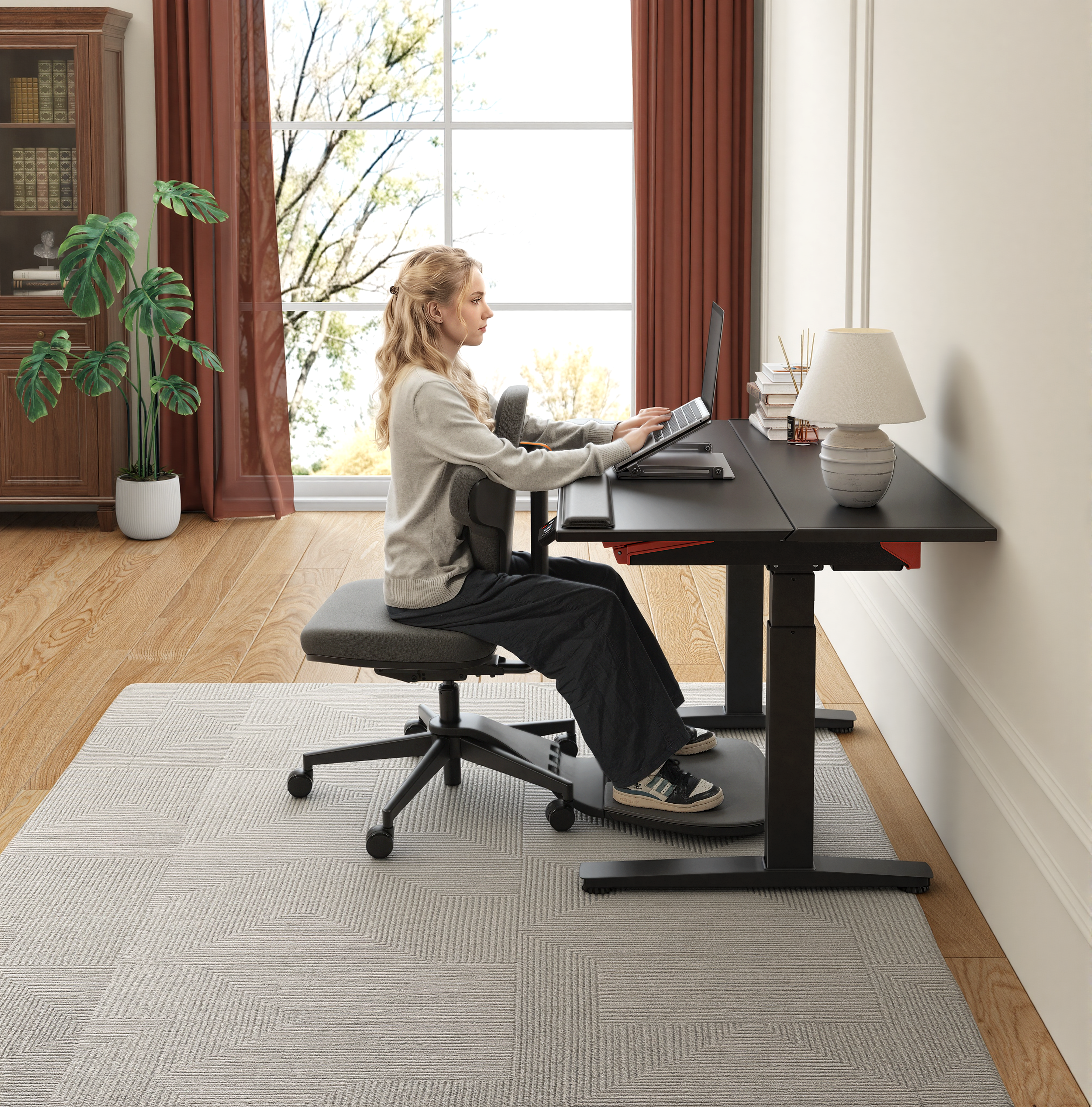
Movement & posture variety
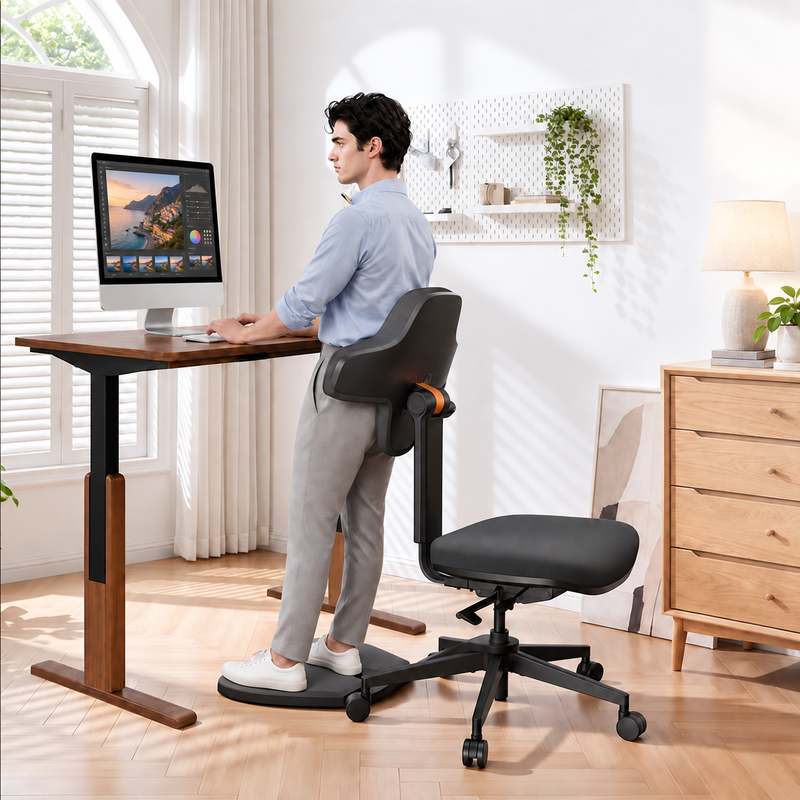
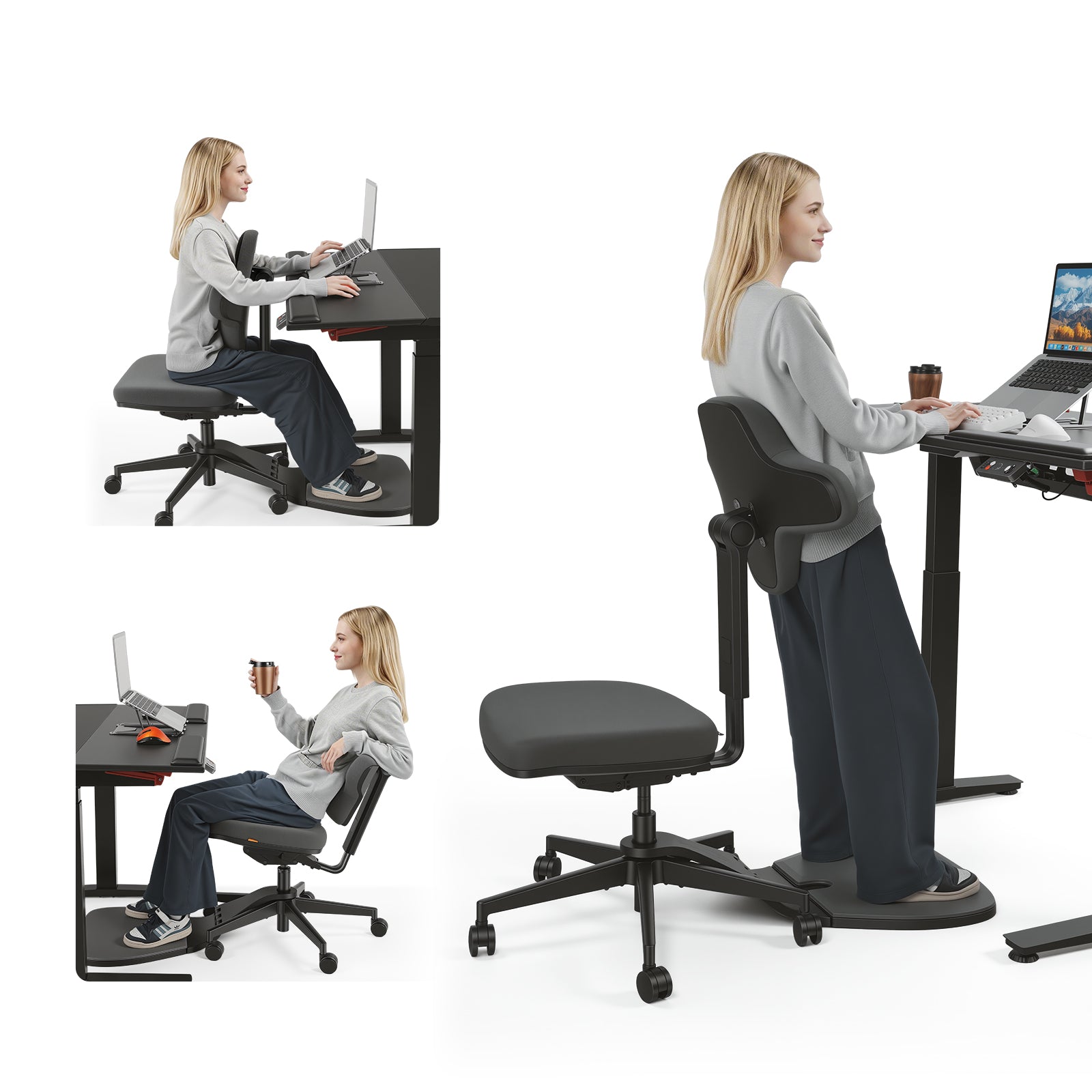
Even the most supportive chair can't fully offset the effects of sitting still all day. Chairs like the Standing-Mate let you switch between 6 dynamic positions, so movement becomes part of your workday, not an extra task.
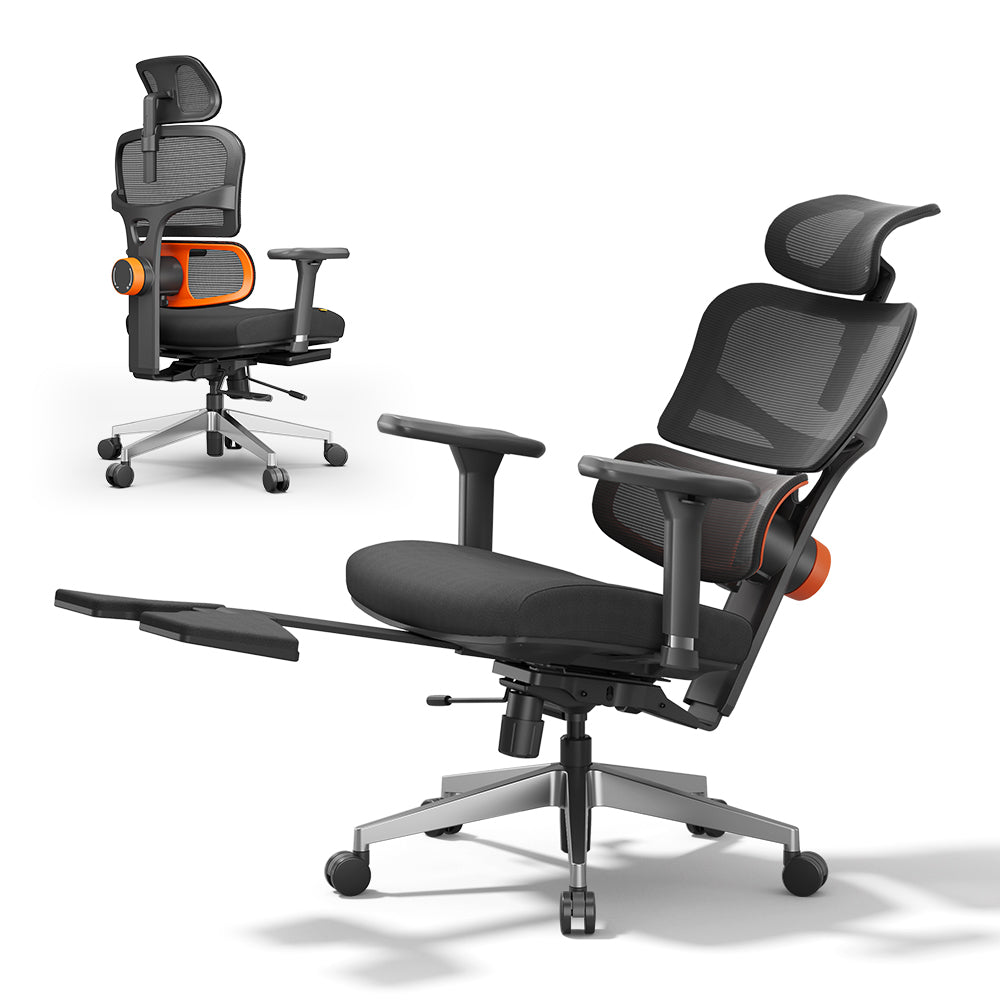
NT002
Maximum Support for Long Workdays
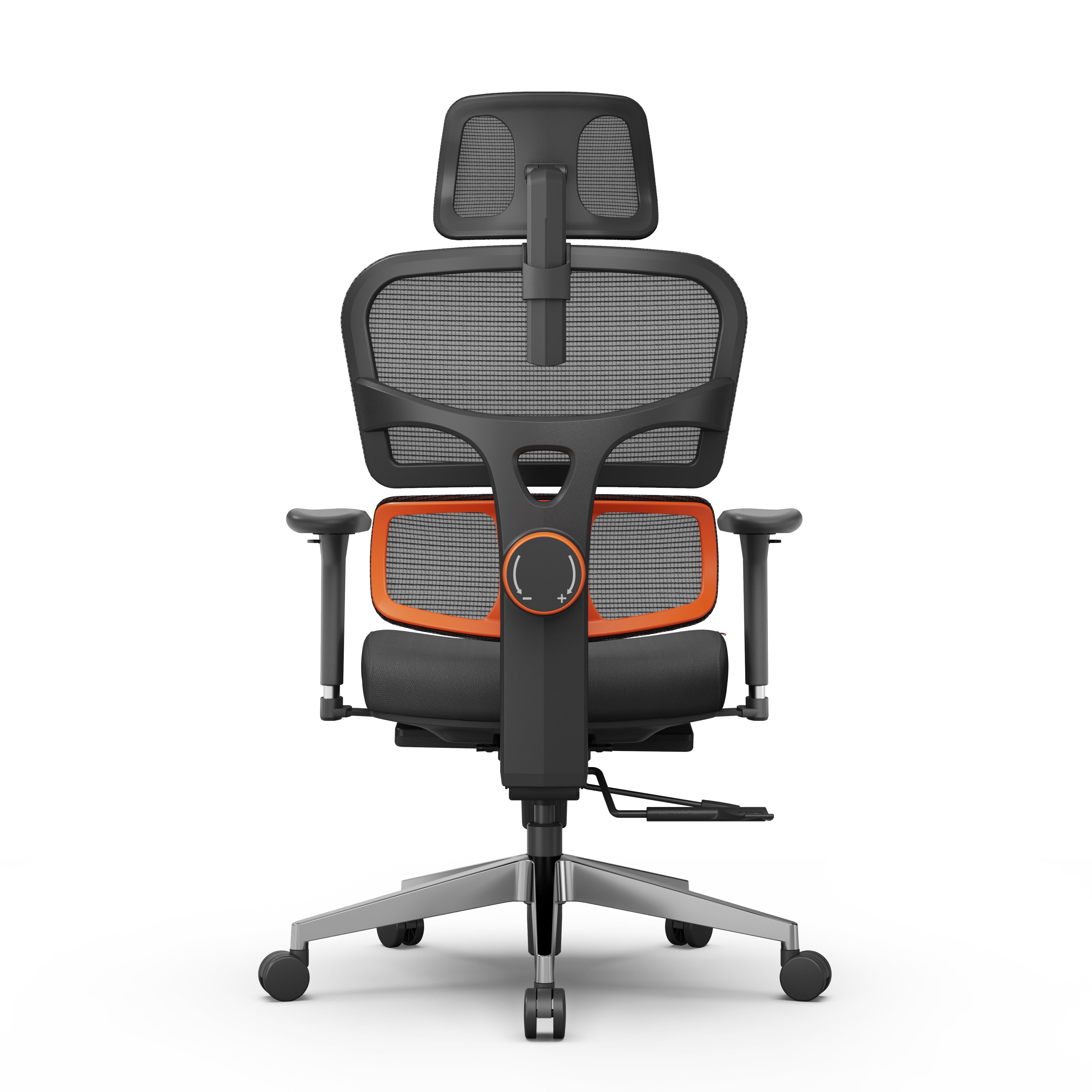
If you sit 8+ hours a day, the NT002 pairs our most advanced auto-following lumbar support system with a rigid aluminum-alloy frame and a foldable footrest — built to keep your spine aligned through the longest workdays.
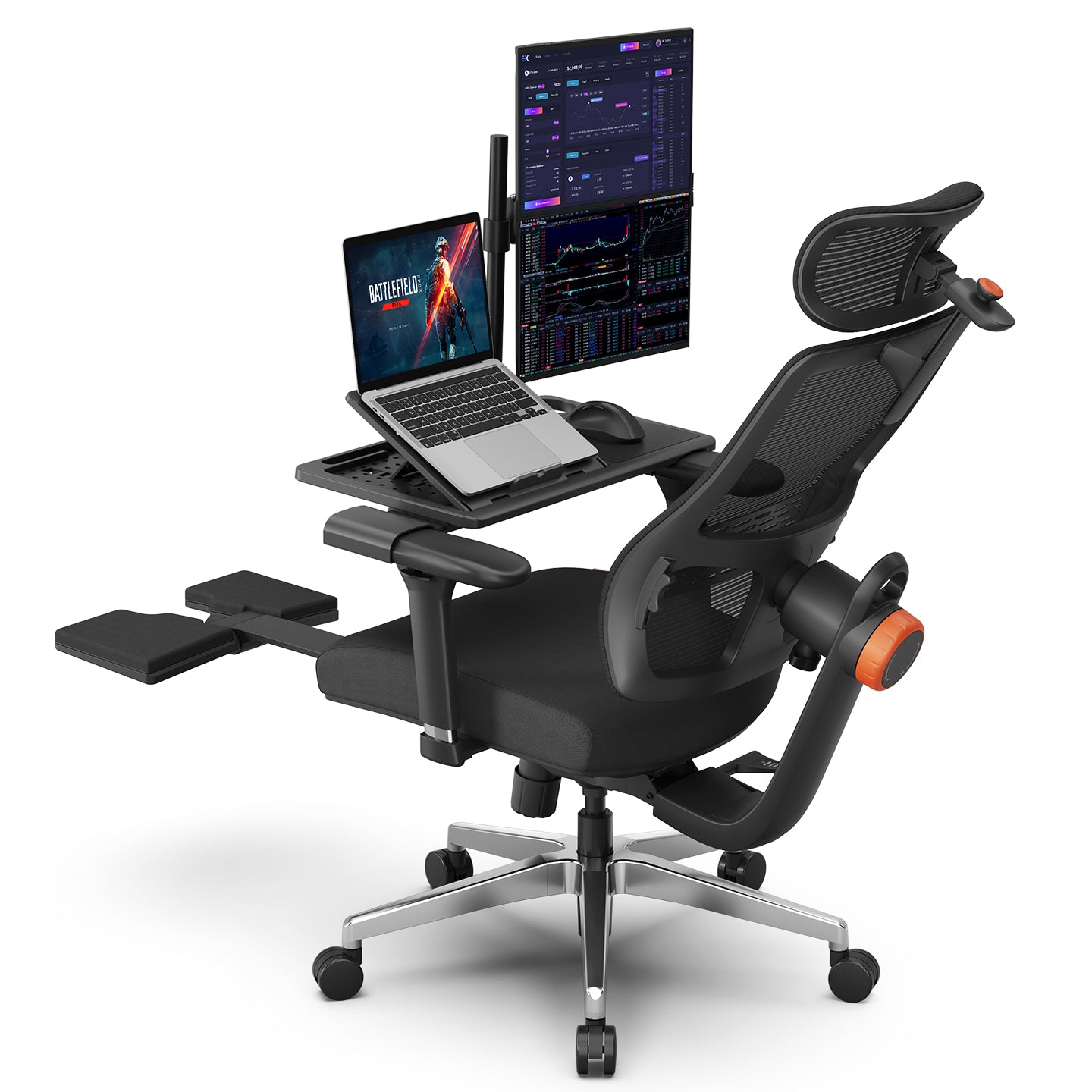
Standing-Mate
Give Your Spine a Break From Sitting Altogether
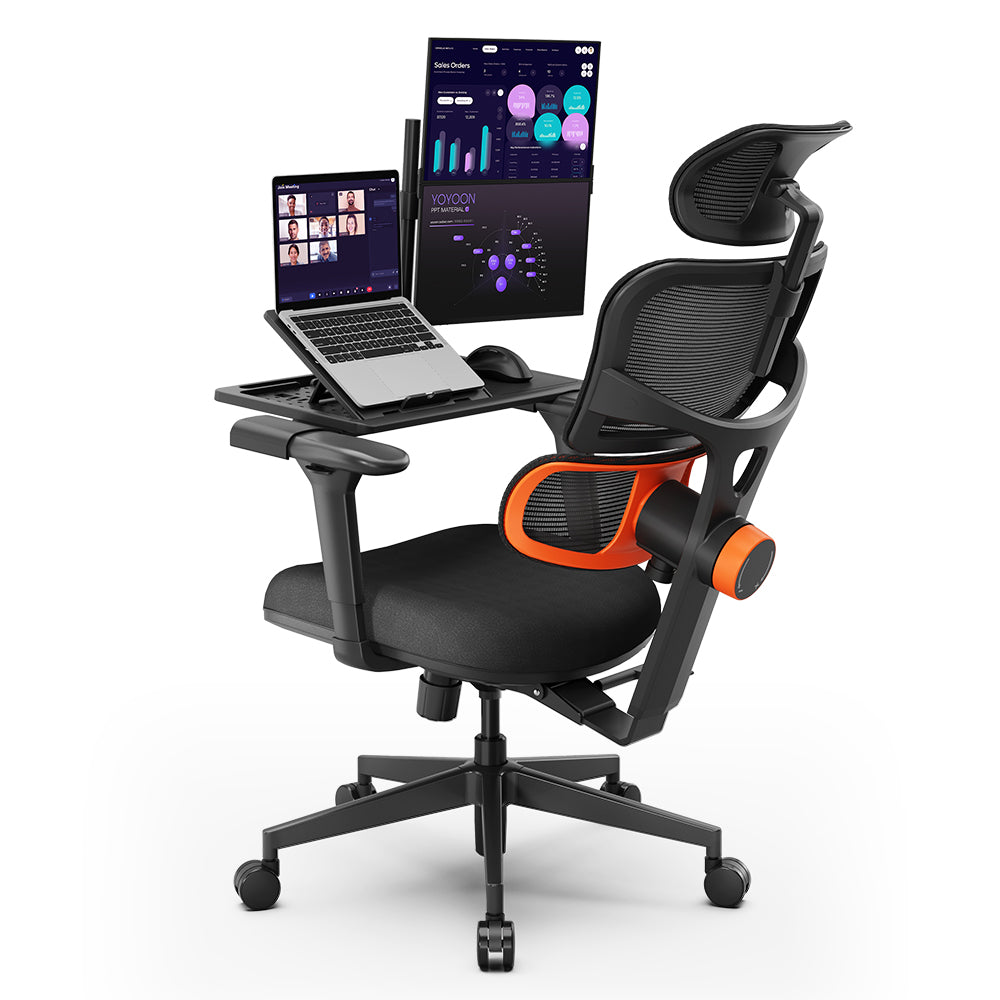
Constant sitting is one of the biggest contributors to spinal pressure — no chair, however supportive, fully solves that. The Standing-Mate lets you switch between sitting and standing in seconds, so your spine gets real breaks throughout the day, not just better support in one position.
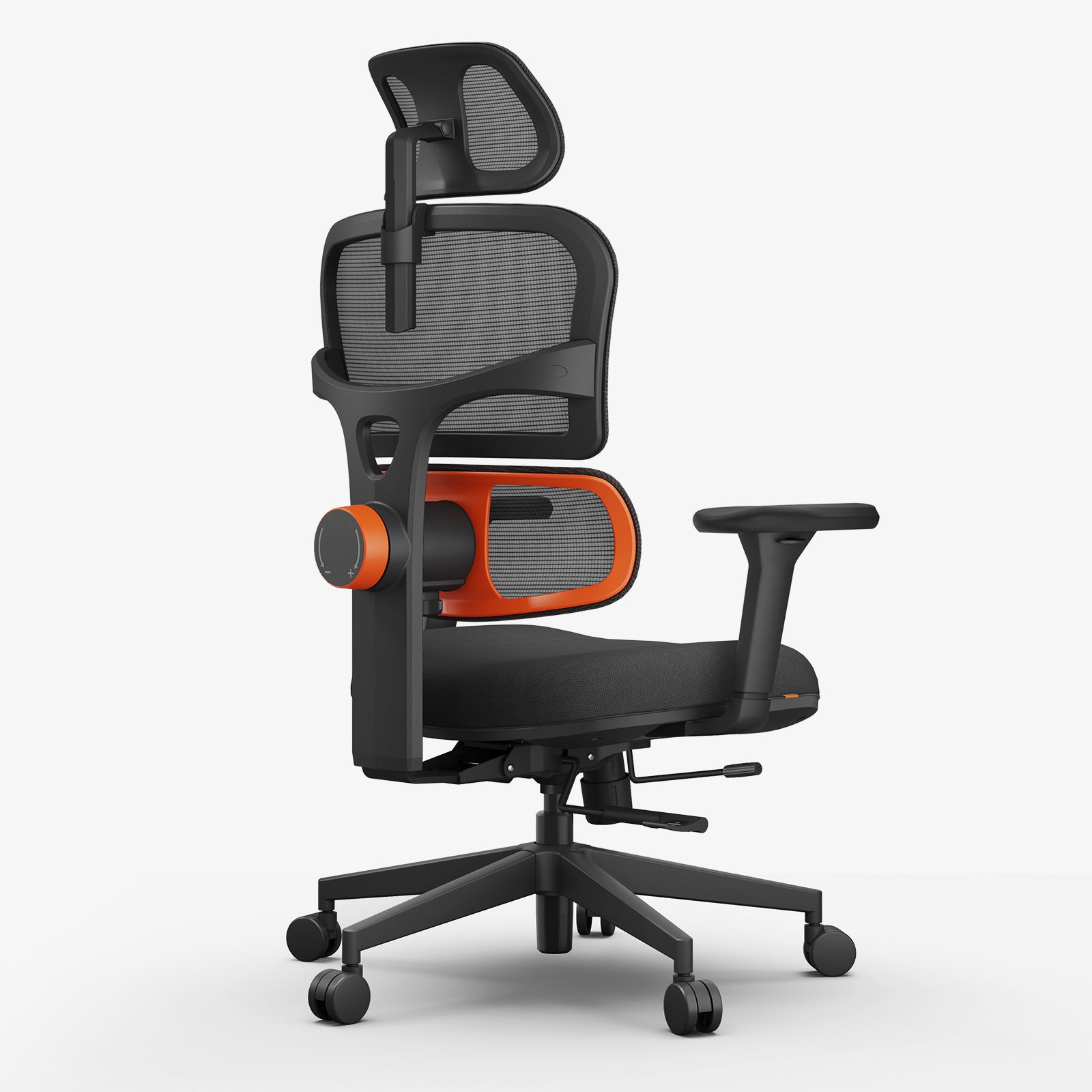
Magic H-BPRO
Auto-Following Lumbar Support, Built for Everyday Spines
The Magic H-BPRO uses Newtral's patented Auto-Following Lumbar Support to track your spine's movement in real time — keeping your lower back aligned through everyday desk work, without the premium price tag of our top-tier models.
NT002
Maximum Support for Long Workdays
If you sit 8+ hours a day, the NT002 pairs our most advanced auto-following lumbar support system with a rigid aluminum-alloy frame and a foldable footrest — built to keep your spine aligned through the longest workdays.
Standing-Mate
Give Your Spine a Break From Sitting Altogether
Constant sitting is one of the biggest contributors to spinal pressure — no chair, however supportive, fully solves that. The Standing-Mate lets you switch between sitting and standing in seconds, so your spine gets real breaks throughout the day, not just better support in one position.
Magic H-BPRO
Auto-Following Lumbar Support, Built for Everyday Spines
The Magic H-BPRO uses Newtral's patented Auto-Following Lumbar Support to track your spine's movement in real time — keeping your lower back aligned through everyday desk work, without the premium price tag of our top-tier models.
What Our Customers Say
spinal support chair-NT002
Good value for money, fine workmanship, good materials, full adjustment function, and fits the waist and cervical spine very well.
spinal support chair- Magic-H
When I was in my twenties, I fell and broke two of the discs in my spine. Since then I have a great deal of back issues. Sitting for long periods can hurt me quite a bit. Yet, I often sit on the computer to write lesson plans and, as a student myself again.
spinal support chair- Magic-H
Bought this ergonomic chair for back pain for my husband’s WFH setup. He used to complain daily – now he’s obsessed with the ‘spine-hugging’ feel. Even I steal it for my knitting sessions!
FAQs
If you're experiencing severe, persistent, or worsening spinal or back pain — especially pain that radiates, or comes with numbness or weakness — please consult a healthcare professional. The guidance on this page is intended to support everyday comfort and posture, not to diagnose, treat, or replace medical care.
Can ergonomic chairs replace physical therapy for spinal issues?
No. Ergonomic chairs can support better everyday posture and reduce unnecessary strain, but they're not a substitute for physical therapy or other medical treatment. If you're dealing with a diagnosed spinal issue or persistent pain, please follow your healthcare provider's guidance — a supportive chair works alongside treatment, not in place of it.
What is spinal pressure relief, and can a chair really help?
A: Reducing spinal pressure simply means easing the load that builds up on your spine from hours of sitting — it's not a clinical treatment. An ergonomic spine chair supports this by keeping your back aligned as you move, helping ease everyday strain rather than treating an existing condition. A well-designed spinal support chair works through posture support, not medical-grade intervention.
Is a reclining chair better for spinal support than an upright one?
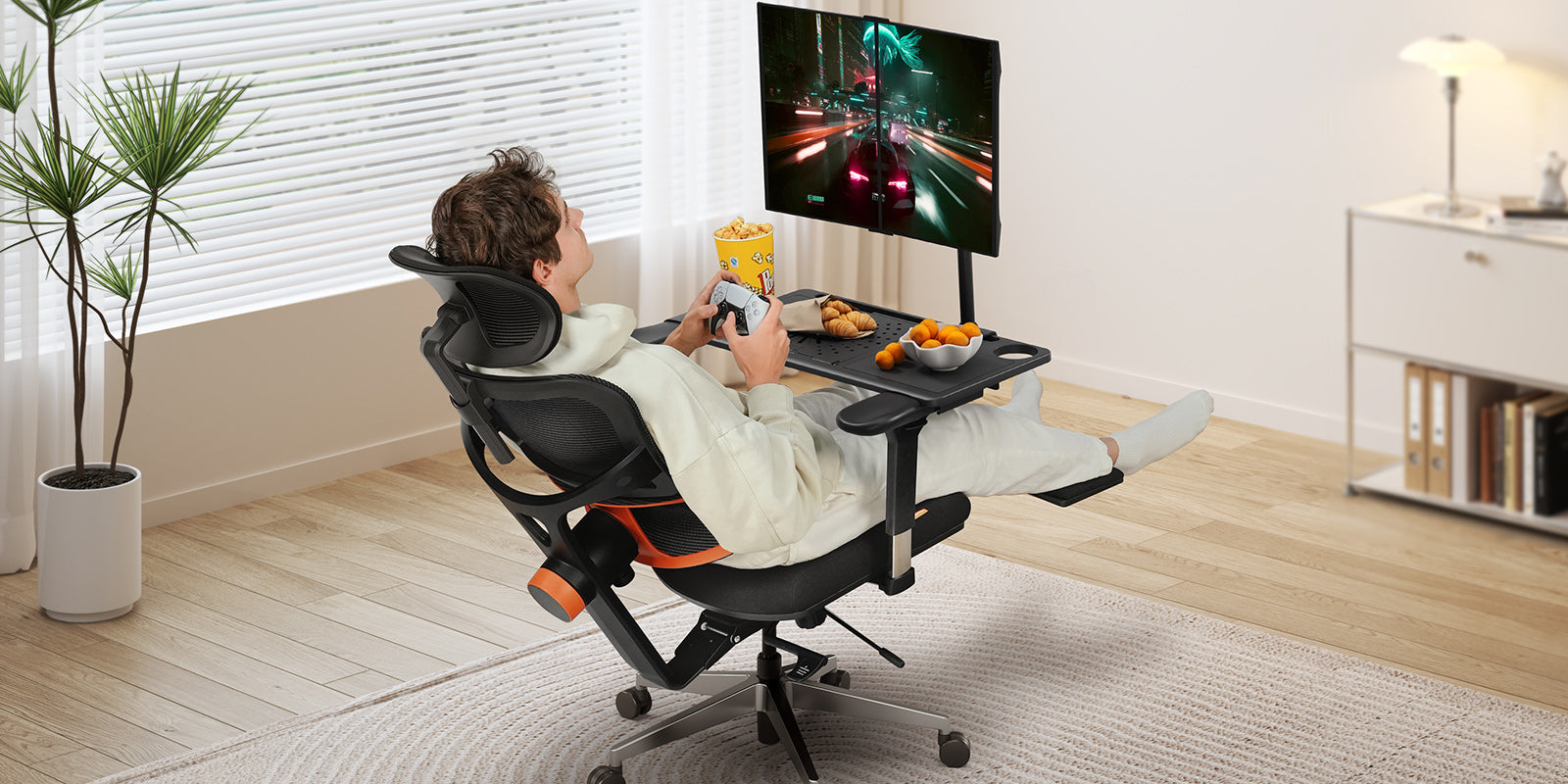
A: Both play a role. Reclining shifts weight away from your spine onto the backrest, offering periodic relief — ideal for anyone using an ergonomic chair for long hours. An upright posture with proper lumbar support, on the other hand, keeps your spinal alignment steady during active work. Alternating between the two throughout the day is generally more effective than staying in either position too long.
How often should I stand up for spinal health?
A: Many people find that standing or moving for a few minutes every 30–60 minutes helps reduce pressure buildup from prolonged sitting. If you want to make that easier to stick to, a sit-stand option like the Standing-Mate lets you switch positions in seconds, so movement fits naturally into your workday instead of being another thing to remember.
How do I know if a chair is actually designed for spinal support, or just marketed that way?
Look past the word "ergonomic" and check for lumbar support that actually moves with you — not just a fixed pad. Newtral's patented Auto-Following Lumbar Support tracks your spine's curve as you shift position, rather than holding one static shape all day. Beyond that, look for adjustable seat depth, a reclining range with locking positions, and a frame sturdy enough to hold that support consistently — all things you'll find across the NT002, Magic H-BPRO, and Standing-Mate.