
Why Does Sitting Cause Tailbone Pain?
Sources: Cleveland Clinic, NCBI. For informational purposes only.
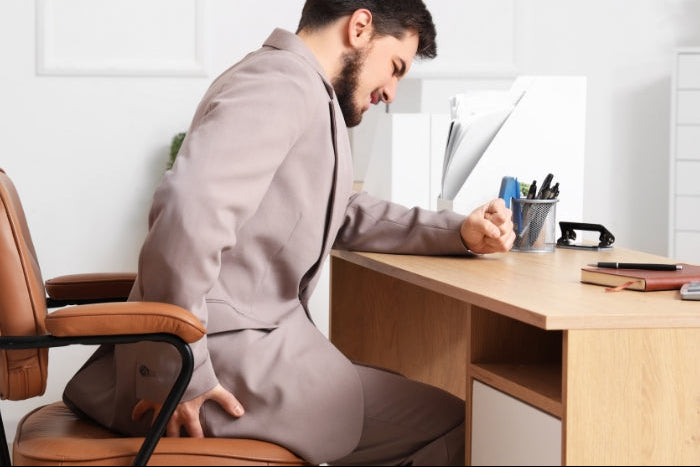
Direct Pressure on the Tailbone
When sitting on a firm or poorly designed chair, your body weight concentrates directly on the tailbone instead of being distributed across the pelvis. According to Cleveland Clinic, tailbone pain (coccydynia) can result from trauma, prolonged sitting, or a range of health conditions — and discomfort is especially common on hard or unsupportive surfaces.
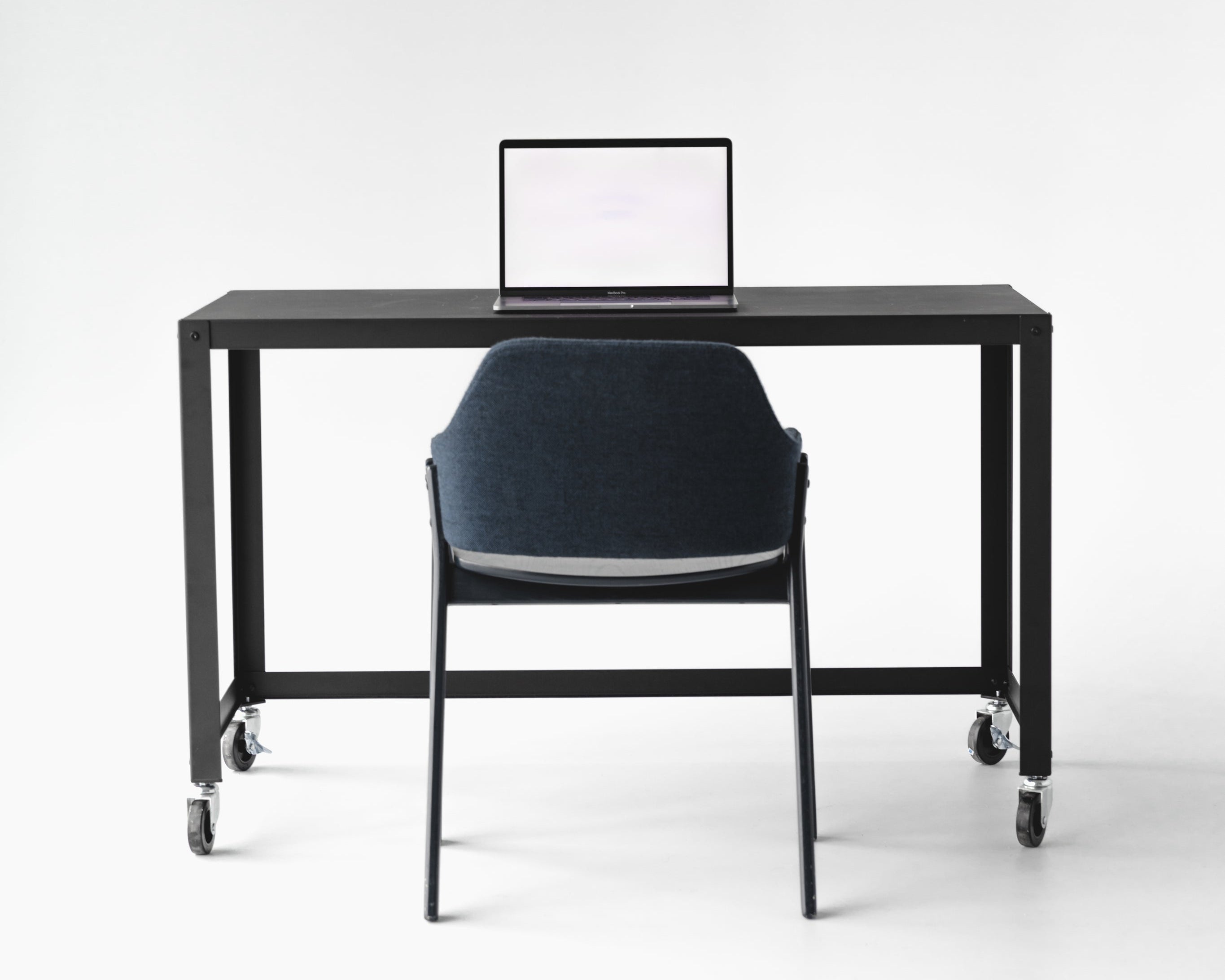
Lack of Cushioning Increases Pressure
Without adequate cushioning, your body weight isn't absorbed or distributed — it transfers directly onto the tailbone with each hour of sitting. Thin, worn, or overly firm padding is one of the most common contributing factors to the sharp, localized pressure that leads to tailbone discomfort.
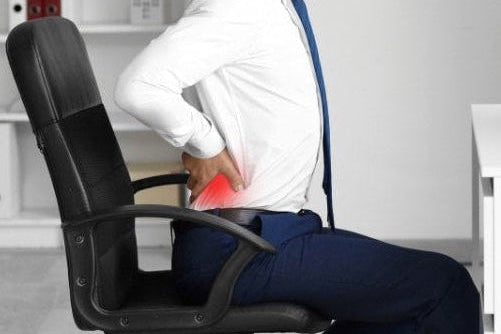
Poor Sitting Posture
Slouching shifts your body weight backward and downward, increasing pressure on the lower spine and tailbone. Clinical references, including NCBI's StatPearls database, note that pain from coccydynia often worsens with sitting, rising, or leaning back — making posture one of the most common contributing factors alongside prolonged sitting.
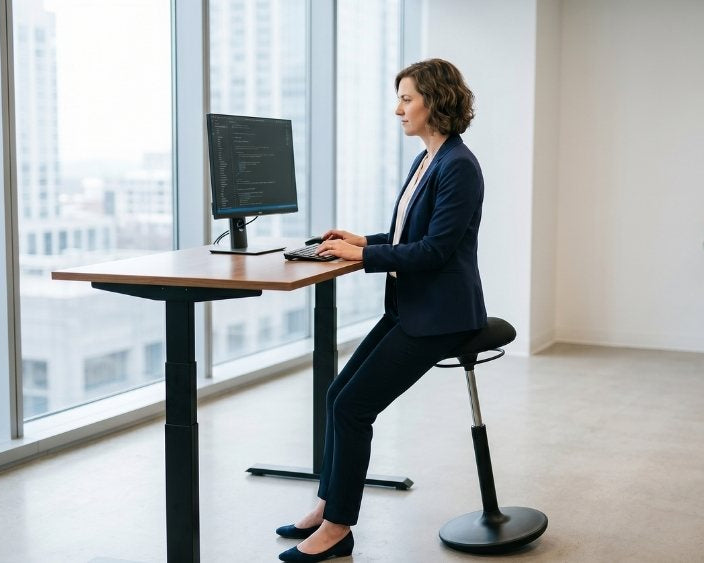
Lack of Proper Support
Without proper lumbar and seat support, your body naturally compensates with unhealthy sitting positions — often shifting more weight onto the tailbone. Clinical guidance consistently points to supportive seating and posture correction as key non-invasive ways to ease tailbone-related discomfort.
Which Office Chair for Tailbone Pain is Right for You
📦Ships From US & EU Warehouses | Deliveries in 2–8 Business Days
Filtres
7 produits

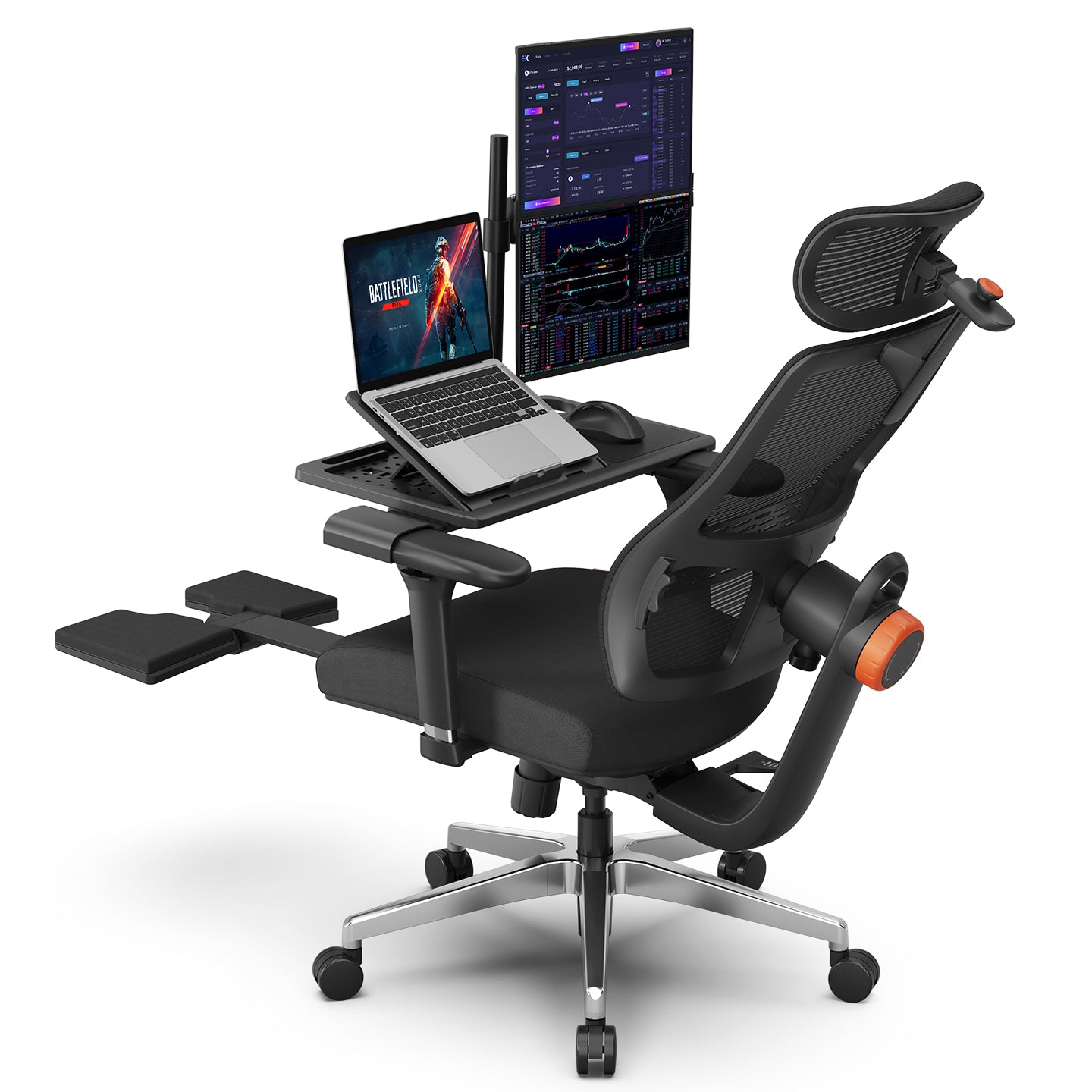

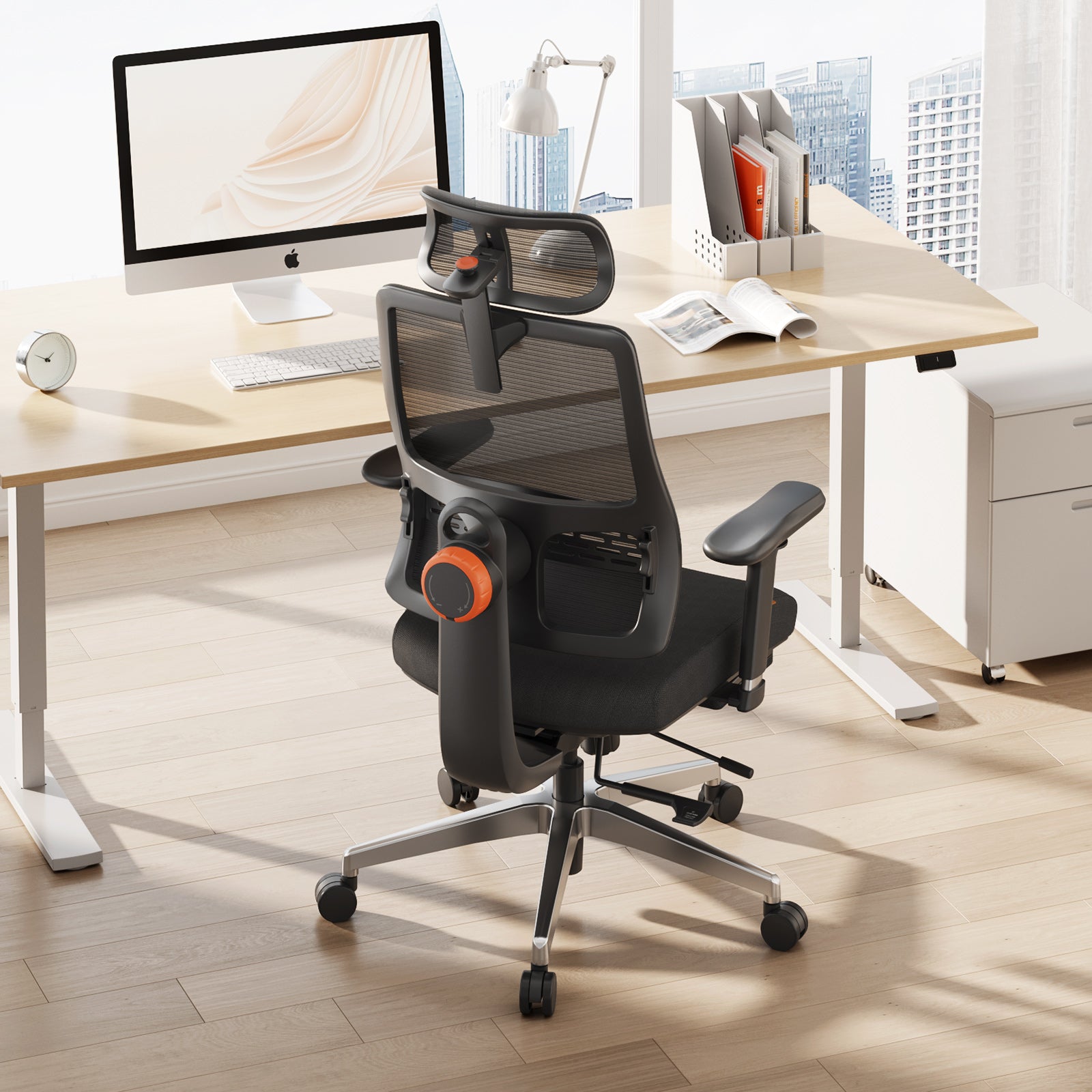
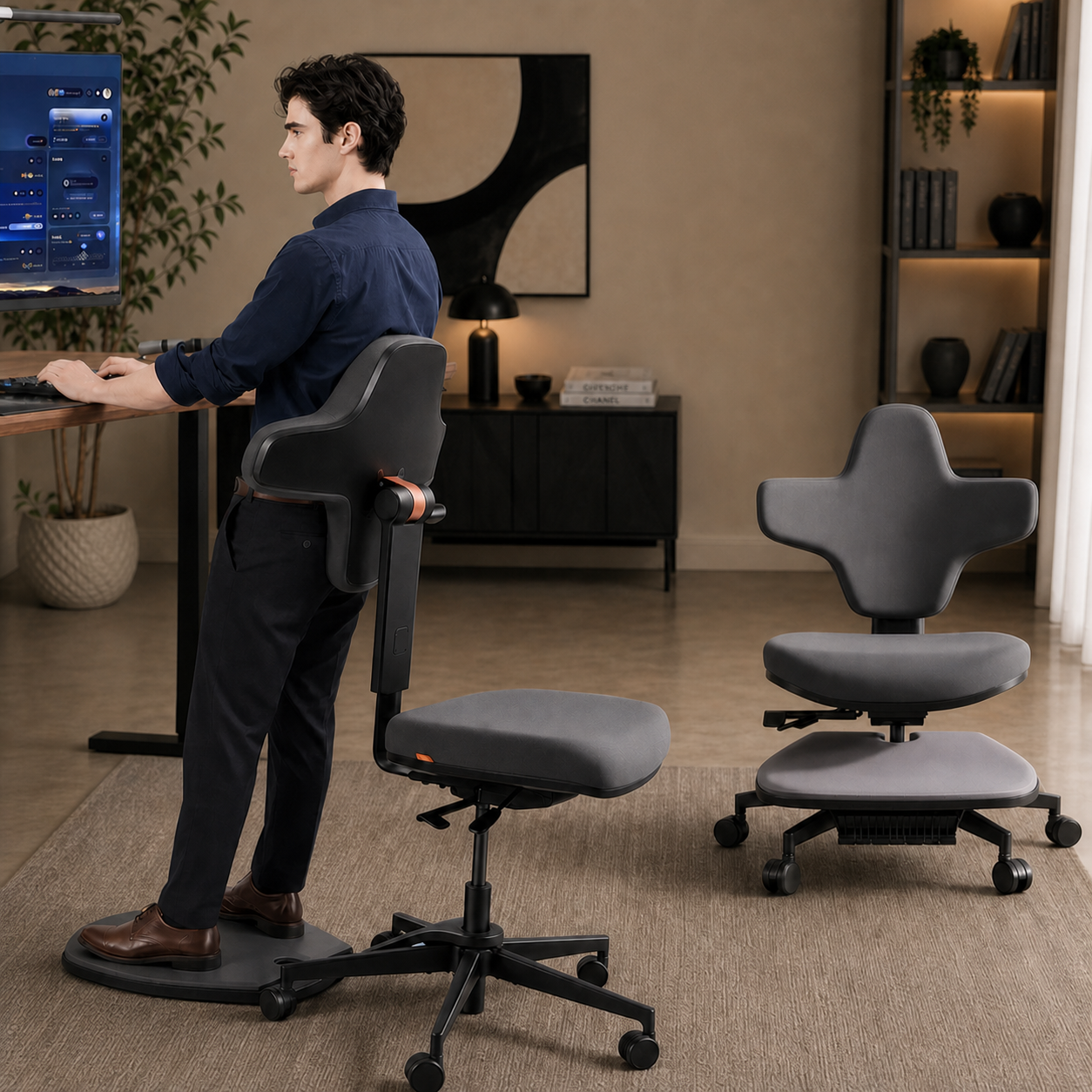
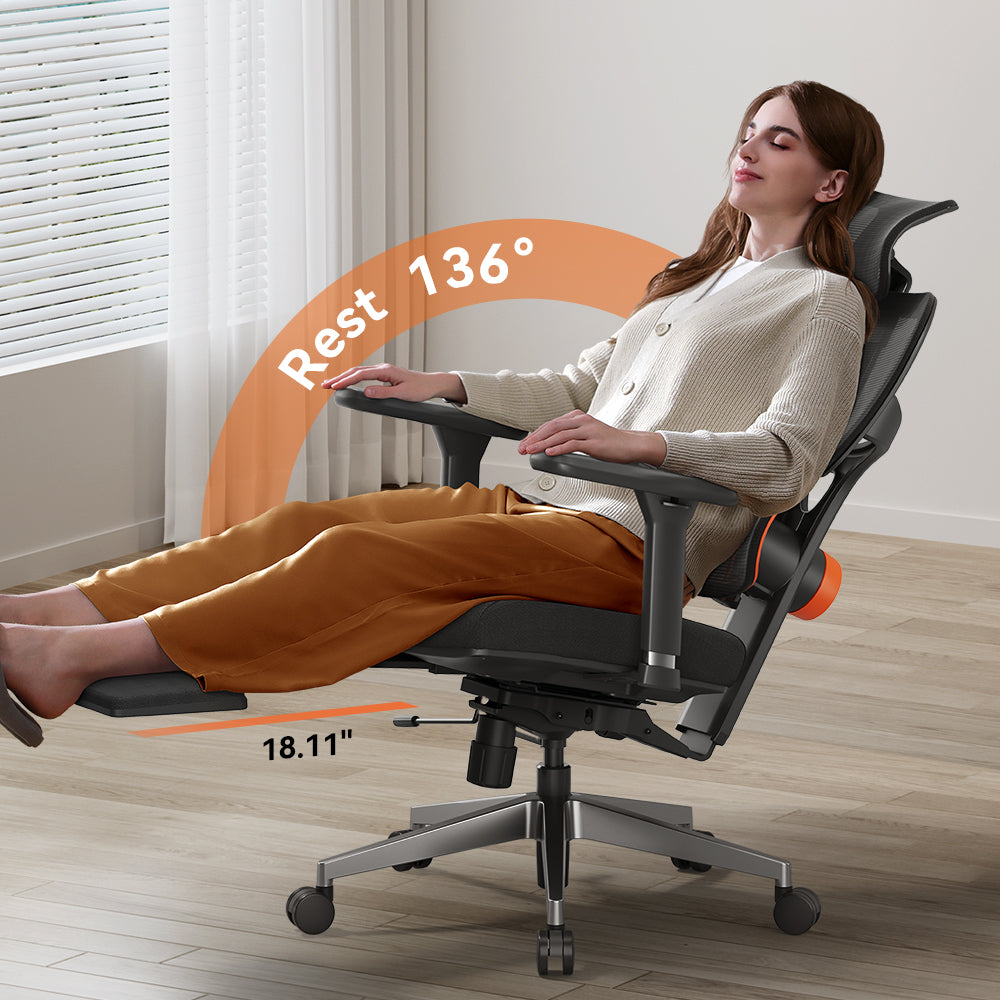
What Makes an Office Chair Better for Tailbone Pain
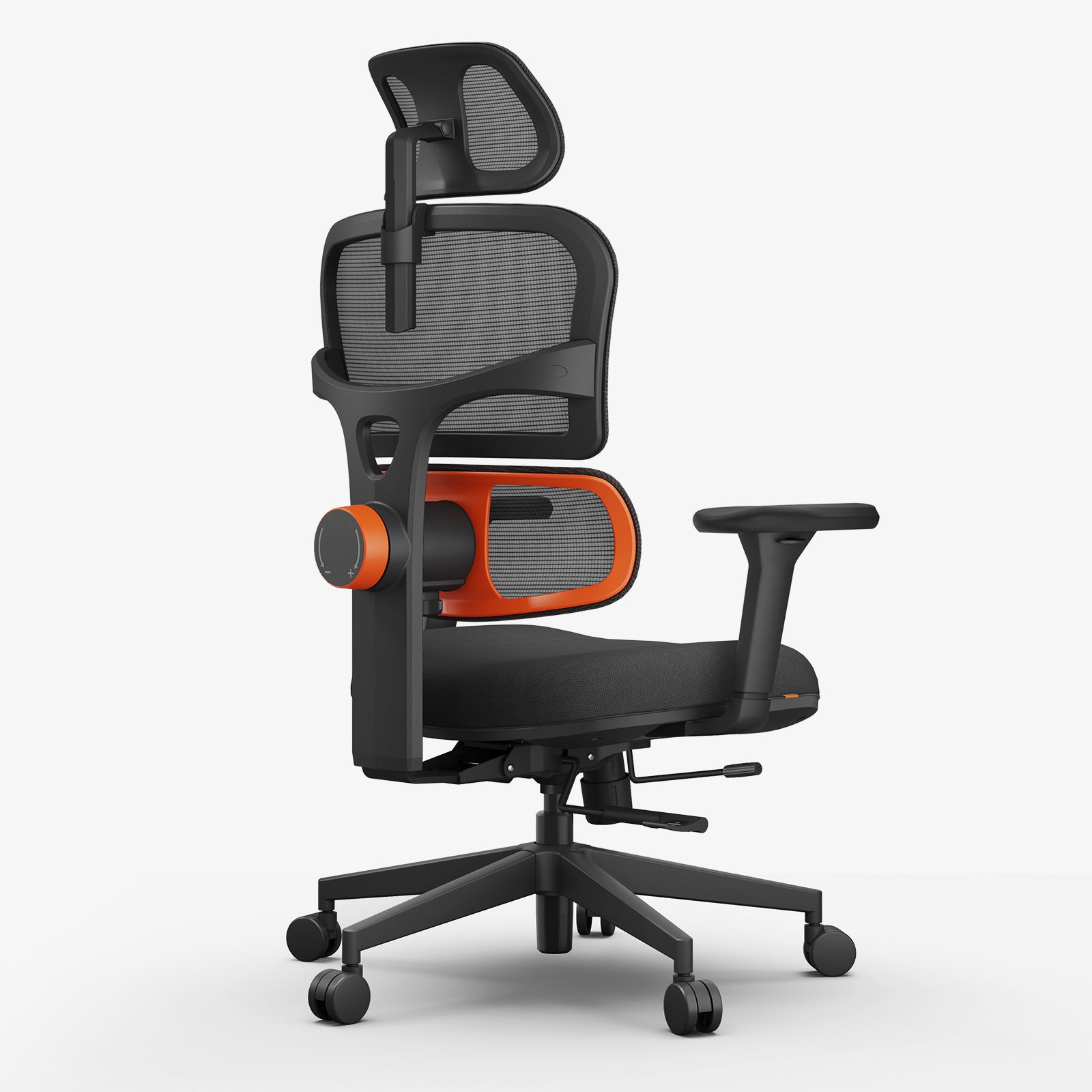
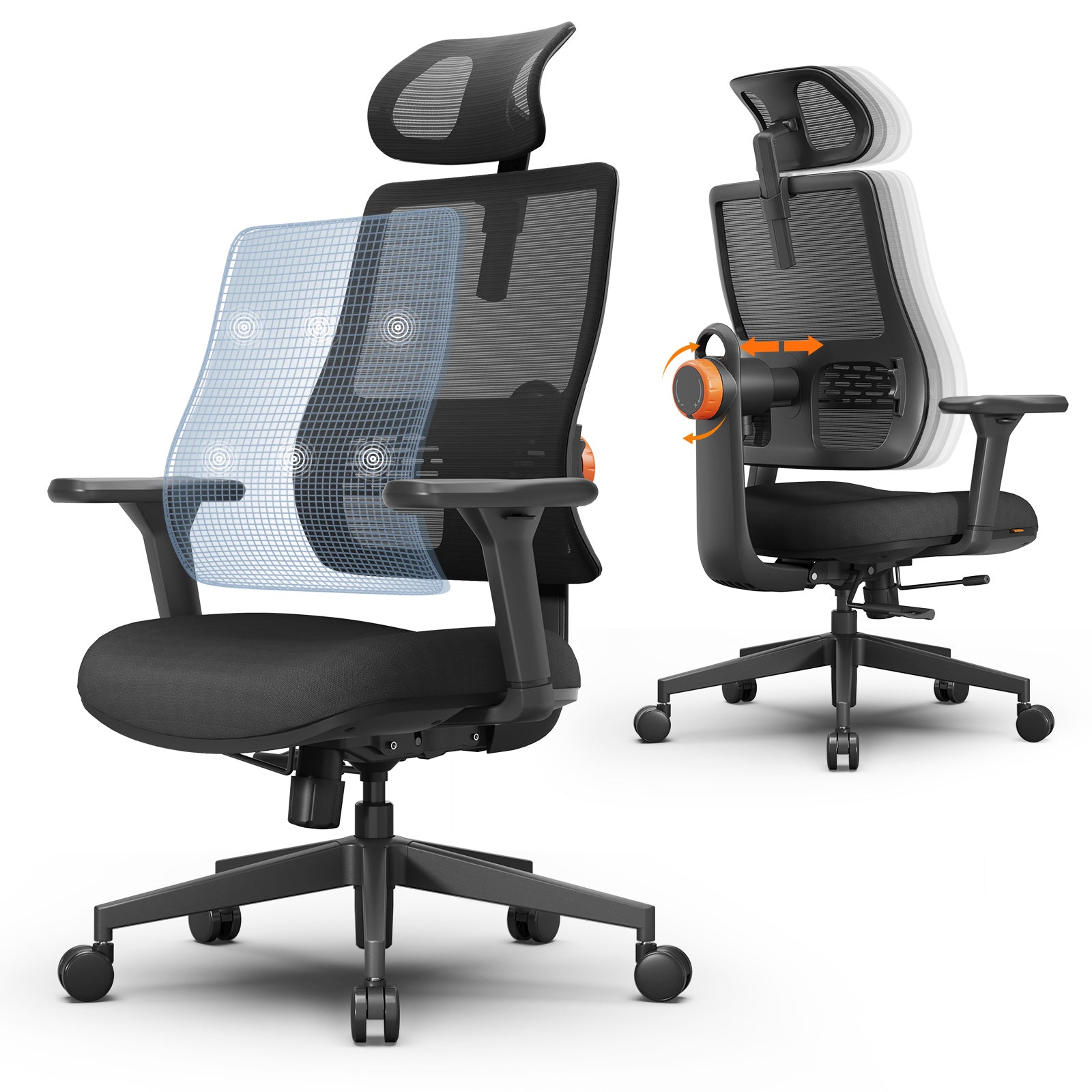
Adjustable Lumbar Support
Proper lumbar support encourages a more balanced sitting position, helping reduce unnecessary strain on your lower back.
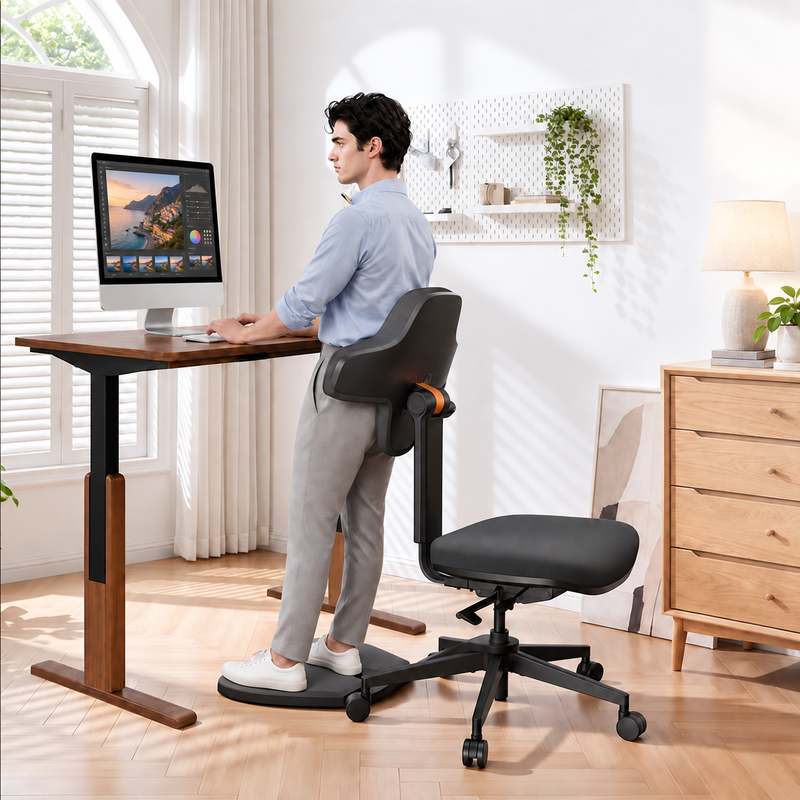
Built-In Reasons to Stand Up
Even the best cushion can't fully relieve tailbone pressure if you sit still all day. Alternating between sitting and standing works better than cushioning alone.
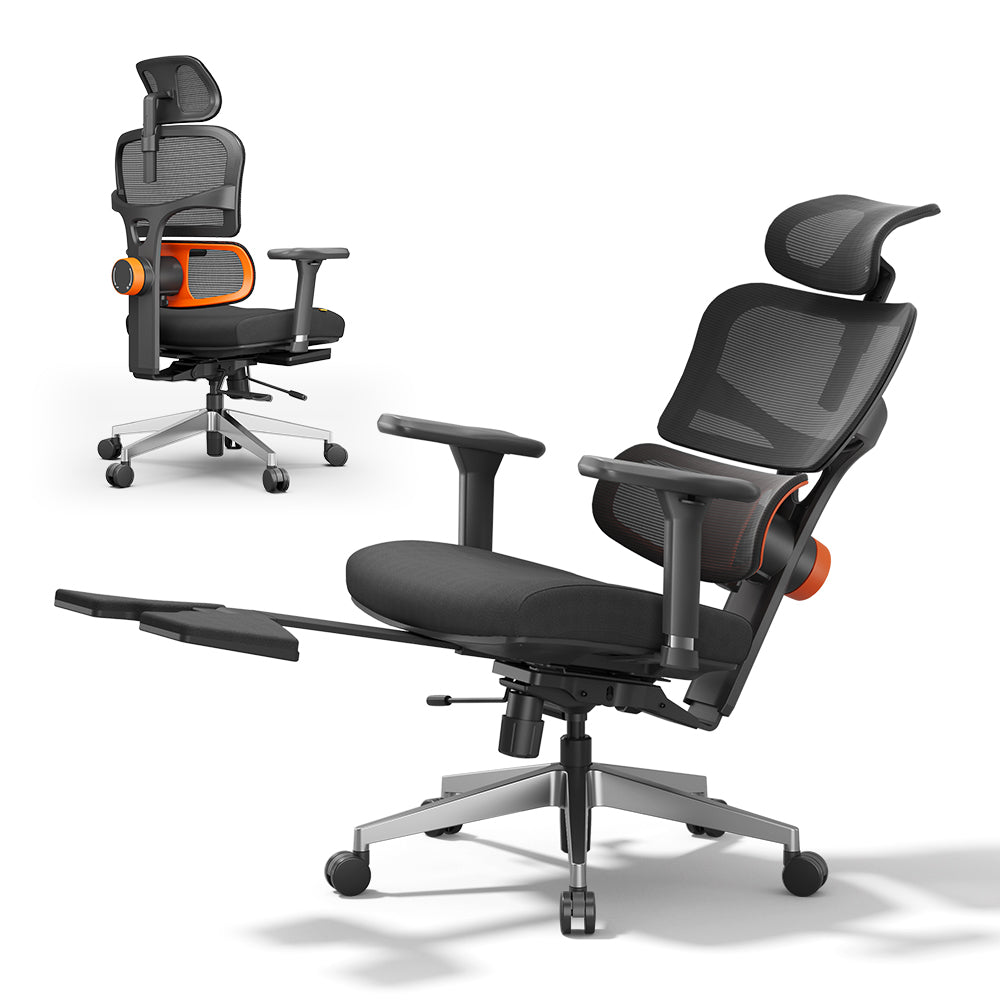
Flexible Reclining Support
Remaining in one position for too long can increase discomfort. Adjustable reclining helps you shift positions and relax pressure points.
How to Choose an Office Chair for Tailbone Pain?
Not all "ergonomic" features actually target tailbone pain. Here's what to look for — and why each feature matters — before you choose the best chair for tailbone pain for your setup.
Shifts pressure off the tailbone by allowing posture changes throughout the day
Prevents the seat edge from digging into the back of your thighs, improving hip and leg comfort
Keeps your spine aligned, reducing the forward-slumping that worsens tailbone pressure
Distributes weight evenly to reduce direct pressure on the tailbone
Reduces pressure by letting you shift between sitting, standing, and leaning throughout the day
What Our Customers With Tailbone Pain Say
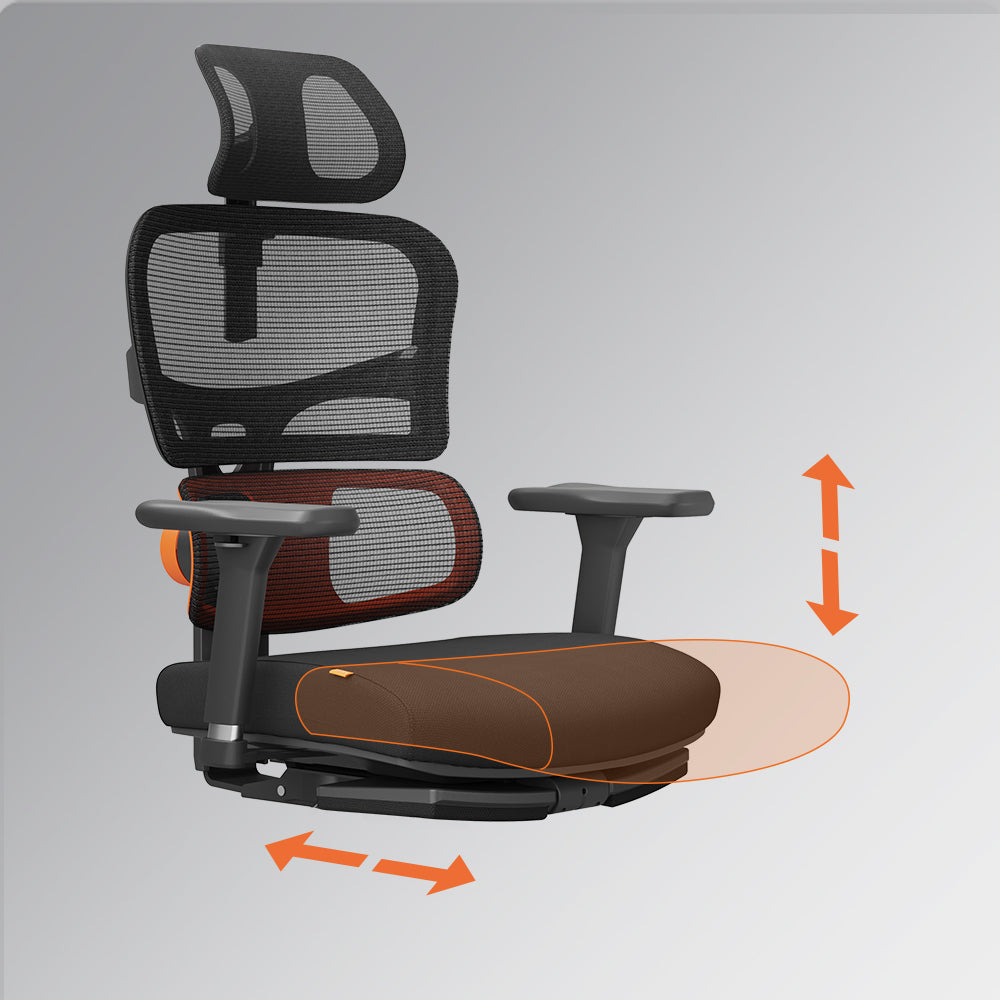
Ergonomic Office Chair NT002
I had a bad accident 20 years ago that damaged my tailbone. My old office chair was not providing the support my lower back needed. After a few weeks, the discomfort I was experiencing feels tons better! Chair was fairly simple to assemble, and is very stable.
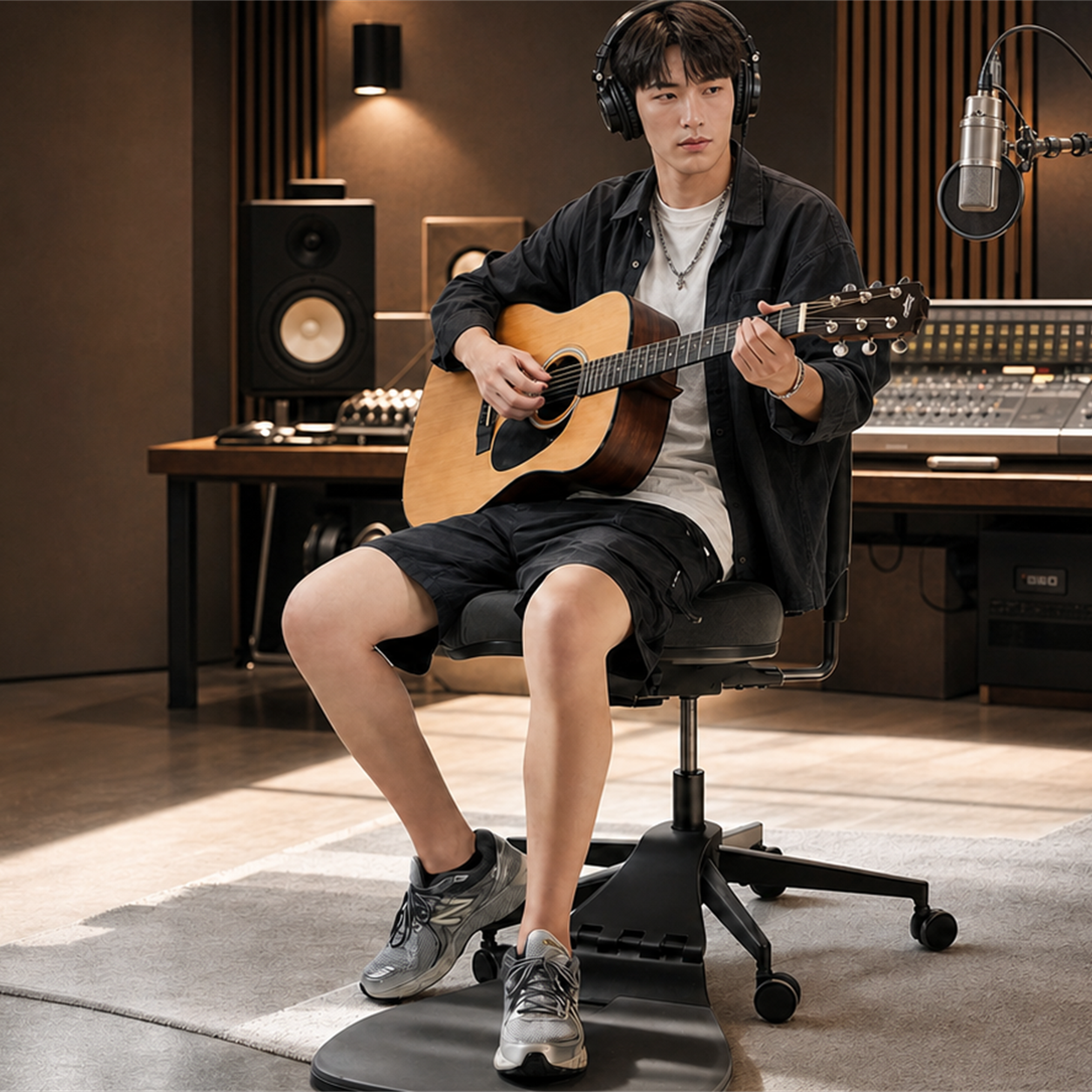
Sit-Stand Chair -Standing Mate
Love this chair. I have terrible tailbone issues and this chair has been a game changer.
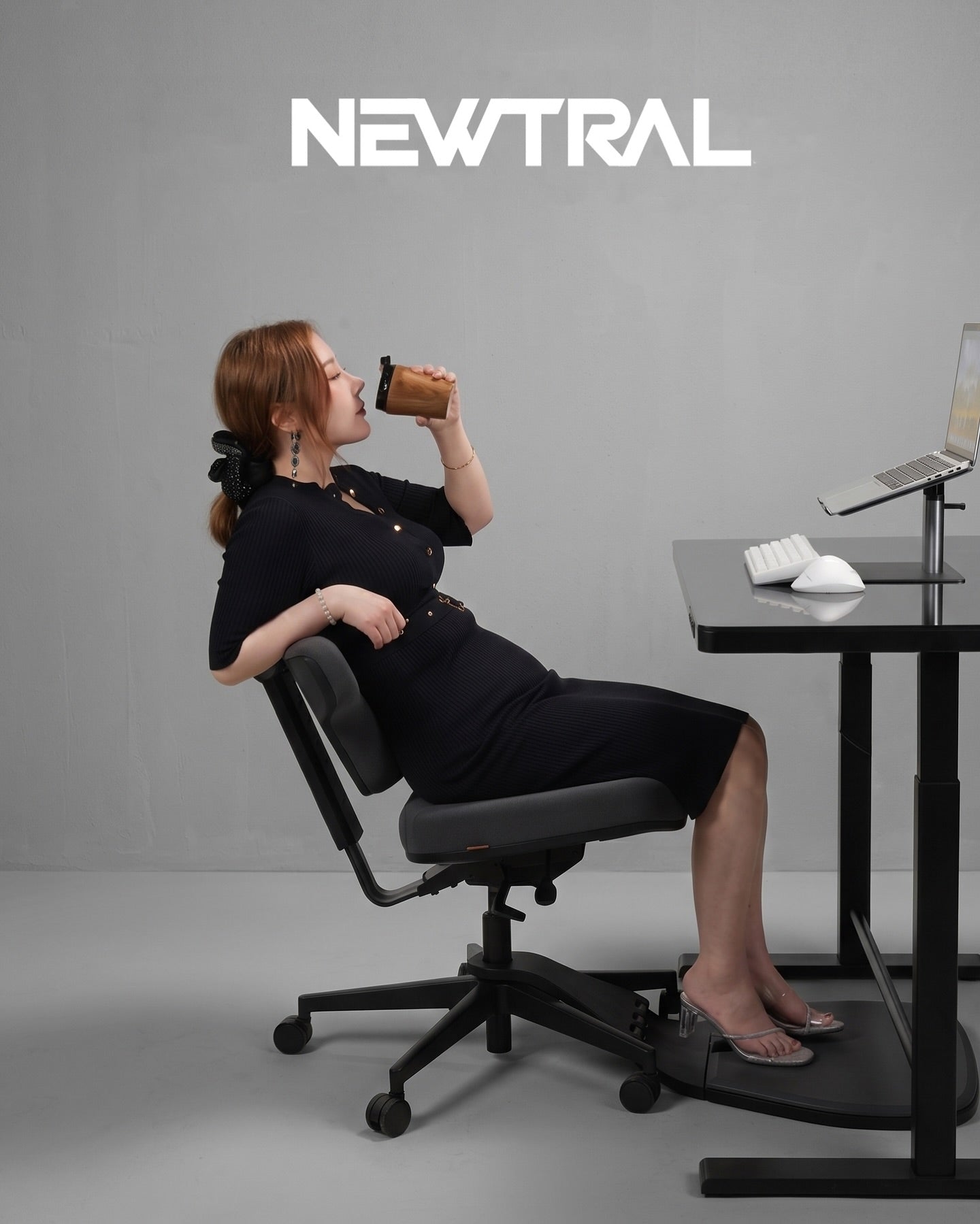
Sit-Stand Chair -Standing Mate
I love the versatility and it’s great for my hip pain and adhd when I can’t sit still for hours in the same position. As soon as my friends saw it they wanted to know where to get one!
Daily Habits to Relieve Tailbone Pressure
Even the best office chair for tailbone pain can only do so much — small daily habits make an even bigger difference. Here are a few simple ways to take pressure off your tailbone throughout the workday.

Stand up every 30–60 minutes
Even a short break from sitting helps reset pressure on your tailbone and lower back.

Avoid perching on the edge
Sitting on the front edge of your seat removes back support and concentrates weight right on your tailbone.

Skip overly soft seats
Soft, sunken cushions let your body sink in, increasing pressure instead of relieving it.

Shift your posture often
Alternate between upright, reclined, and leaning positions instead of staying locked in one.
FAQs
This content is for general informational purposes only and is not intended as medical advice. If you have chronic or severe pain, please consult a doctor or physical therapist.
Does sitting still all day make tailbone pain worse?
Yes. Even a well-designed ergonomic chair can't fully eliminate pressure if you stay in the same position for hours. Prolonged static sitting is one of the leading causes of tailbone discomfort — the key isn't just a softer seat, it's changing your posture regularly throughout the day.
Should I recline or sit upright if I have tailbone pain?
Many people find that shifting between recline and upright positions feels more comfortable than staying in one fixed posture for hours. Reclining can help redistribute weight away from the seat and onto the backrest. NEWTRAL's chairs offer adjustable recline (108°–136°) so you can easily change positions as needed.
What makes a chair good for tailbone pain?
The best options combine pressure-relieving cushioning, adjustable lumbar support, and proper seat depth adjustment — all working together to reduce direct pressure on the tailbone and improve everyday sitting comfort.
Is a firm or soft chair better for tailbone pain?
A balanced, supportive cushion is usually preferred over either extreme. A chair that's too firm can create pressure points directly on the tailbone, while one that's too soft may lack the support needed to keep your posture aligned — both can make tailbone pain worse over time.
How often should I get up from my chair?
Even the best chair can't fully offset the effects of sitting too long — aim to shift positions or stand every 30–60 minutes, no matter how supportive your seating is.