
Table of Contents
Restless legs, constant fidgeting, the urge to stand up every few minutes. For many people with ADHD, staying still is the hard part. Spinning and swivel chairs turn that motion into something useful, and this guide explains how to make it work for focus.
Why the ADHD brain craves motion
Rotation and vestibular input
Your sense of balance comes from the vestibular system in your inner ear. When you turn slowly in a chair, that system registers the motion and signals the brain in a way that can lift alertness and keep you engaged. For many people with ADHD, a little movement is how they feel more regulated and present. A small turn at the desk meets that need without pulling you away from your work.
Why stillness feels harder with ADHD
ADHD brains often run low on stimulation, so holding still can feel uncomfortable and quietly wear down your focus. Fidgeting, bouncing a leg, or turning in your seat are all ways the body tries to stay alert and self regulate. A chair that allows movement works with that instinct instead of against it, which is why many people find motion friendly seating easier to stay in for long stretches.
Spinning chair vs swivel chair
What is a spinning and swivel chair
The two terms sound alike, but they describe different things. A spinning chair is built for free, full rotation. Children's spinner stools and saucer style seats fall into this group, and they are made for fast, playful turns. A swivel chair rotates in a controlled way on a central base. This is the familiar motion of an office chair, where you turn smoothly to reach a shelf, face a coworker, or shift your weight through the day.
|
Spinning chair |
Swivel chair |
|
|
Main motion |
Full, fast rotation |
Controlled turn on its base |
|
Common form |
Kids' spinner stools, saucer seats |
Office and multi-posture chairs |
|
Back support |
Usually none |
Yes on ergonomic models |
|
Best setting |
Sensory play and short breaks |
Desk work and daily focus |
Which fits adults, kids, and the office
The right choice depends on who is sitting and where:
- Kids often benefit from spinner stools during sensory breaks and short movement bursts between tasks.
- Adults working a full day usually focus better with a controlled swivel that also offers real back support.
- Shared or office spaces call for a swivel that stays stable and quiet, with no risk of rolling away or tipping.
When spinning helps focus
Movement that channels restlessness
The most useful movement is almost automatic. A slow, half noticed turn can absorb restless energy so the thinking part of your brain stays on the task in front of you. It works much like doodling or tapping a foot. The motion runs in the background while your attention stays on the screen or your notes.
When spinning tips into distraction
Spinning becomes a problem when it turns into the main event. Fast, repeated spins can make you dizzy, break your concentration, or pull you out of deep work. If you catch yourself spinning on autopilot while reading or writing, that is the cue to slow down and let the chair rest for a while.
|
Spinning helps when |
Spinning distracts when |
|
You feel restless and need to release energy |
You spin on autopilot during deep work |
|
You take a short reset between tasks |
The motion keeps pulling your eyes off the screen |
|
Movement stays in the background |
It becomes a fidget loop you cannot stop |
What to look for in an ADHD swivel chair
Smooth, controlled rotation
The quality of the swivel matters more than how far it turns. Look for smooth, quiet rotation with even resistance, ideally on wheels that glide well on your floor type. A seat that turns too freely feels twitchy and hard to control, while one that is too stiff stops being a natural outlet for movement. A well balanced swivel lets you turn when you want and stay still when you need to.
Back support and certified quality
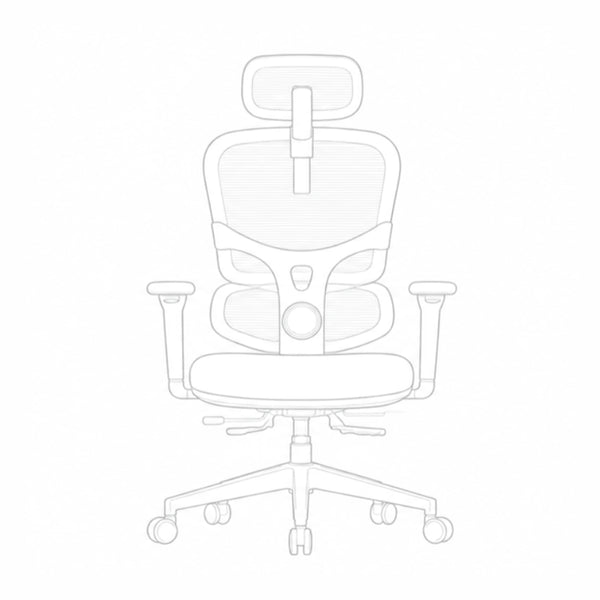
Movement should never cost you your back. The best ADHD swivel chairs pair easy rotation with proper support, a sturdy frame, and materials that hold up to daily use. Look for models tested against recognized safety and durability benchmarks, such as the BIFMA standards used across the furniture industry. For options built around posture and comfort, see the ergonomic chairs with back support collection.
Right height, tilt, and stable base
A chair only helps your focus if it fits your body. The key points to check:
- A seat height that keeps your feet flat and your knees at about ninety degrees.
- A tilt that supports an upright but relaxed posture.
- A wide base that stays steady as you turn and shift your weight.
If you are unsure which size suits you, the ergonomic chair height calculator helps you find the right fit before buying.
blog18

Best swivel setups for ADHD adults
Multi-posture swivel chairs
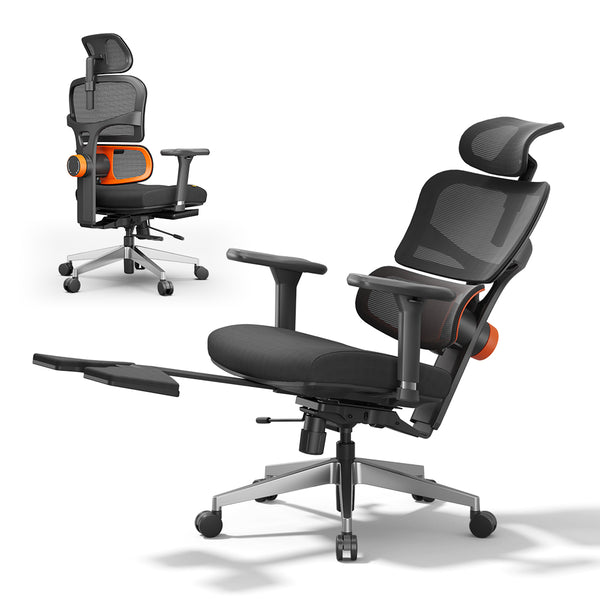
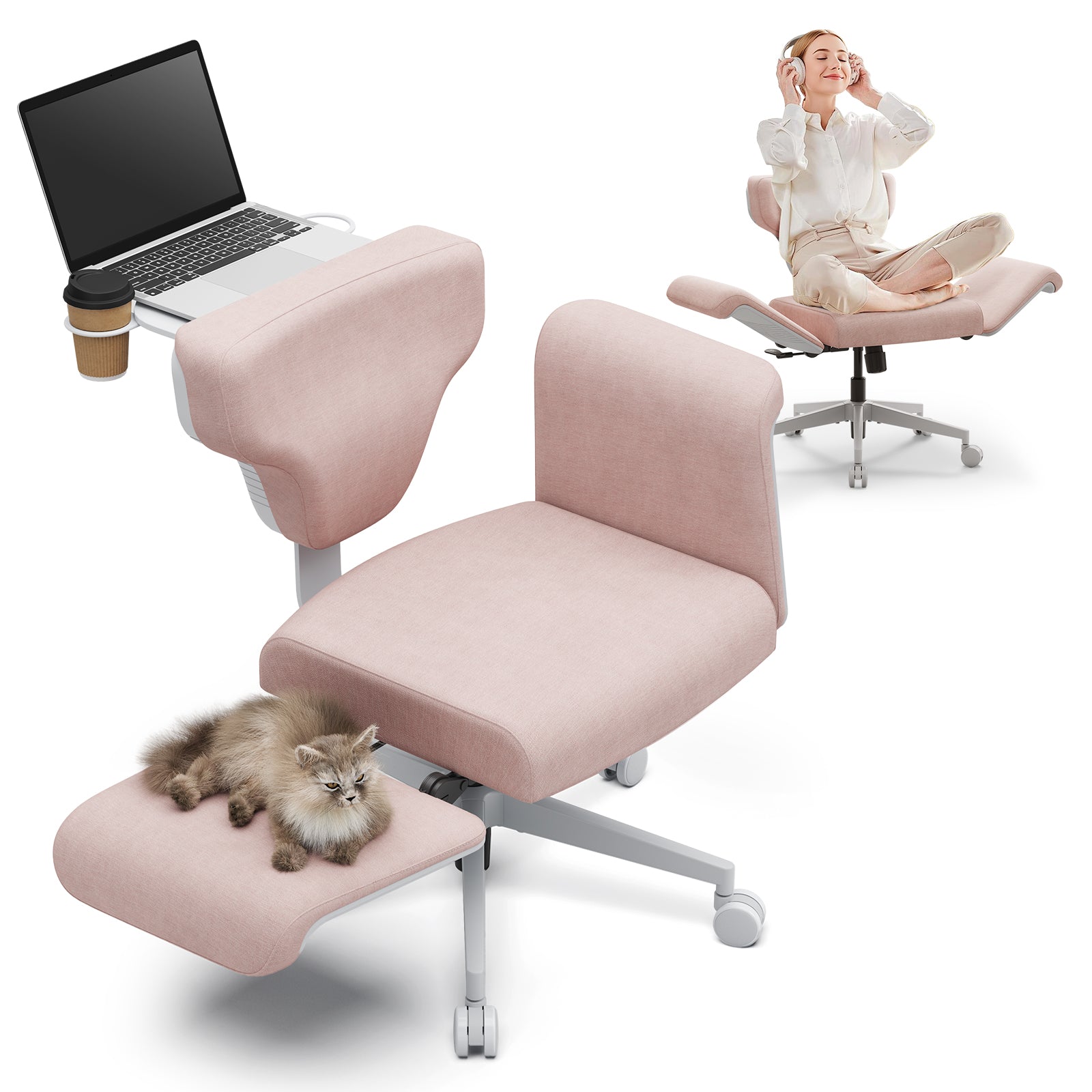
If you shift constantly, sitting cross legged one minute and tucking a foot under the next, a multi-posture chair is worth a close look. The ADHD office chairs for adults range is built around this idea, with the Freedom-X line as the clearest example. It supports upright, cross-legged, kneeling, and reclined positions, so the urge to change posture becomes part of how you sit rather than a distraction. Silent blade wheels keep the swivel smooth and quiet on hardwood, tile, or carpet, while a solid alloy base rated to 330 lb stays steady as you turn. An SGS-certified Class 4 gas lift handles the height changes, and the whole design is aimed at restless, fidgety sitters.
Ergonomic swivel office chairs
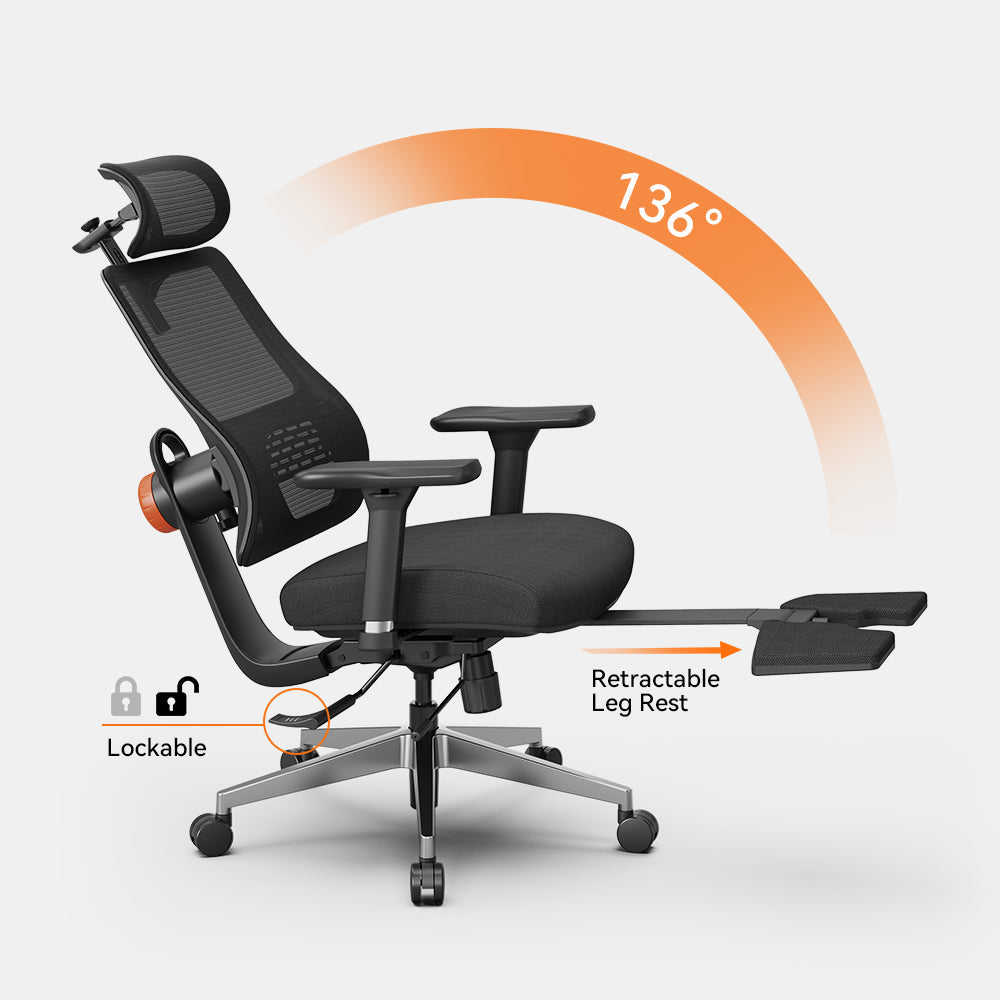
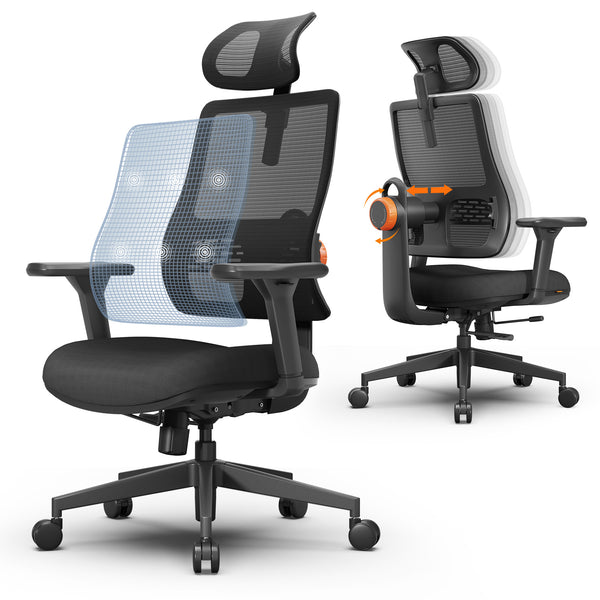
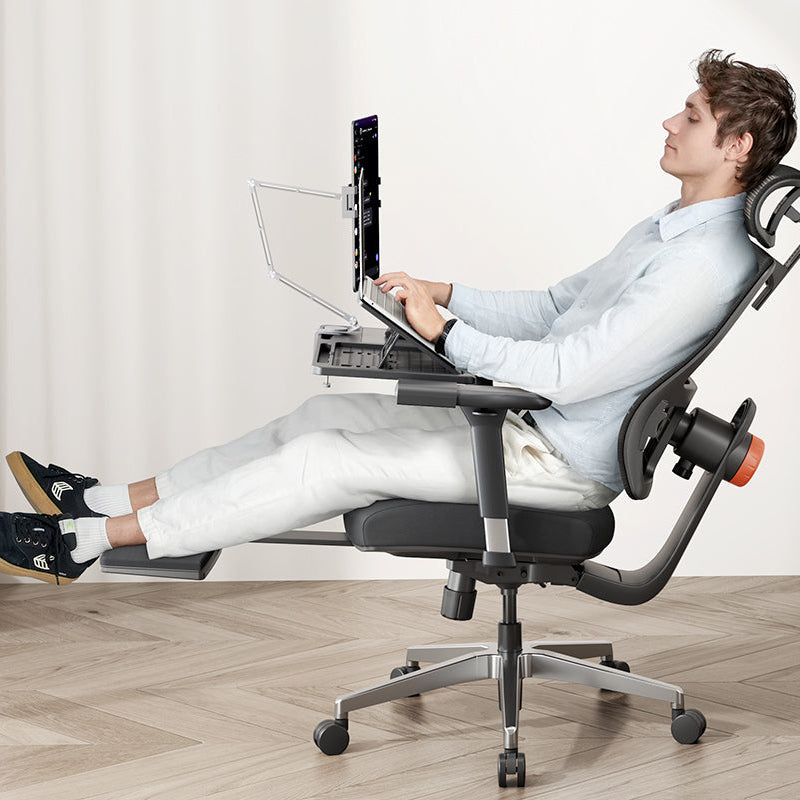
For long, focused desk sessions, a classic ergonomic swivel chair with strong lumbar support is often the better fit. The standout feature across the NT and Magic ranges is a patented auto-following lumbar system that tracks your spine in real time, so support stays in place even as you swivel, lean, and shift through the day. That suits ADHD work patterns well, since the back support does not disappear the moment you move. A lockable recline of up to 136 degrees and an extendable footrest make it easy to pause, reset, and return to focus, while an SGS-certified gas lift meets recognized safety standards. For a side by side look at two main ranges, the NT and Magic collections comparison breaks down the differences.
|
Multi-posture swivel chair |
Ergonomic swivel office chair |
|
|
Best for |
Frequent position changes, cross legged and kneeling sitters |
Long, focused desk sessions |
|
Movement |
Smooth, quiet swivel plus many seated postures |
Smooth swivel with continuous back support |
|
Support |
T-shaped backrest and high-rebound cushion |
Real-time auto-following lumbar, recline up to 136 degrees |
|
Stability |
Alloy base rated to 330 lb |
SGS-certified gas lift with extendable footrest |
|
Example |
Freedom-X |
NT and Magic collections |
Pairing swivel with active sitting
Swiveling works even better as part of a wider active sitting routine. Perch, lean, and stand at different points in the day so your body keeps getting fresh input. A standing friendly chair or a sit stand setup adds variety, and regular posture changes keep any single position from feeling stale. Aim for a steady mix of movement across the day rather than one fixed pose.

How to use a swivel chair without losing focus
Simple movement habits
A few light rules keep the chair on your side:
- Keep turns slow and small, and save bigger swivels for natural thinking pauses.
- Avoid spinning in the middle of reading or writing.
- Use a quick turn to mark the switch from one task to the next.
- When you want more movement, stand up for a real break instead of spinning faster.
Setting up your desk space
Your space shapes how much the chair can help:
- Leave room to turn without hitting walls or cables.
- Keep your monitor at eye level so you stay aligned as you move.
- Place frequently used items within an easy turn so swiveling has a purpose.
- Add a footrest or keep the floor clear to make shifting position easier.
In summary
Spinning and swivel chairs will not cure ADHD, but the right kind of movement can make focus feel more natural and comfortable. Choose smooth rotation with solid back support, build a few light habits, and check whether you can pay with HSA or FSA for customers in the U.S.




Hinterlasse einen Kommentar
Alle Kommentare werden vor der Veröffentlichung geprüft.
Diese Website ist durch hCaptcha geschützt und es gelten die allgemeinen Geschäftsbedingungen und Datenschutzbestimmungen von hCaptcha.